You’d think putting cream on your face would be simple. Open the lid. Dab. Done. But here’s the odd bit. Loads of people still complain their skin feels tight ten minutes later. Or shiny yet somehow thirsty. Or flaky even after using a thick lotion that smells like a spa. It’s confusing because the beauty aisle doesn’t exactly make things clearer. Everything promises “moisture,” “hydration,” “glow,” “barrier repair,” all on the same shelf. Same packaging. Same buzzwords. Different results.
Look, skin doesn’t just need ‘cream.’ It needs the right gear for the right weather. And that’s where the difference between moisturiser and hydrator actually matters. Not as a marketing trick, but as basic skin behaviour.
Listen, skin isn’t some tough piece of leather; it’s more like a living, breathing sponge. It’s constantly soaking up water, losing it, and trying to shield itself with its own natural oils. But when that balance slips? You feel it immediately. It’s not necessarily a dramatic meltdown, just that low-level annoyance every time you smile or catch a blast of North Sea wind. Once you actually grasp what hydrators and moisturisers are doing behind the scenes, all the marketing fluff just… falls away. The routine finally makes sense. No more guesswork or hoping for the best with a random jar.
What Skin Is Really Doing All Day
Skin isn’t a static surface. It’s busy. Water is constantly moving in and out of it. Some comes from inside the body. Some evaporates into the air. Dermatologists call that evaporation “transepidermal water loss”, or TEWL. Sounds technical, but it’s basically the slow leak your skin deals with every single hour.
Hydration means water content inside the skin cells. Moisture means the oil layer that keeps the water from escaping.
So water feeds the cells. Oil seals the door. Without water, skin looks dull and lined. Without oil, it gets rough and flaky. When both are low, that’s when skin feels like sandpaper on a winter morning. Not pleasant.
Also read: 2026 is the New 2016: Why Nostalgia is Trending on Social Platforms
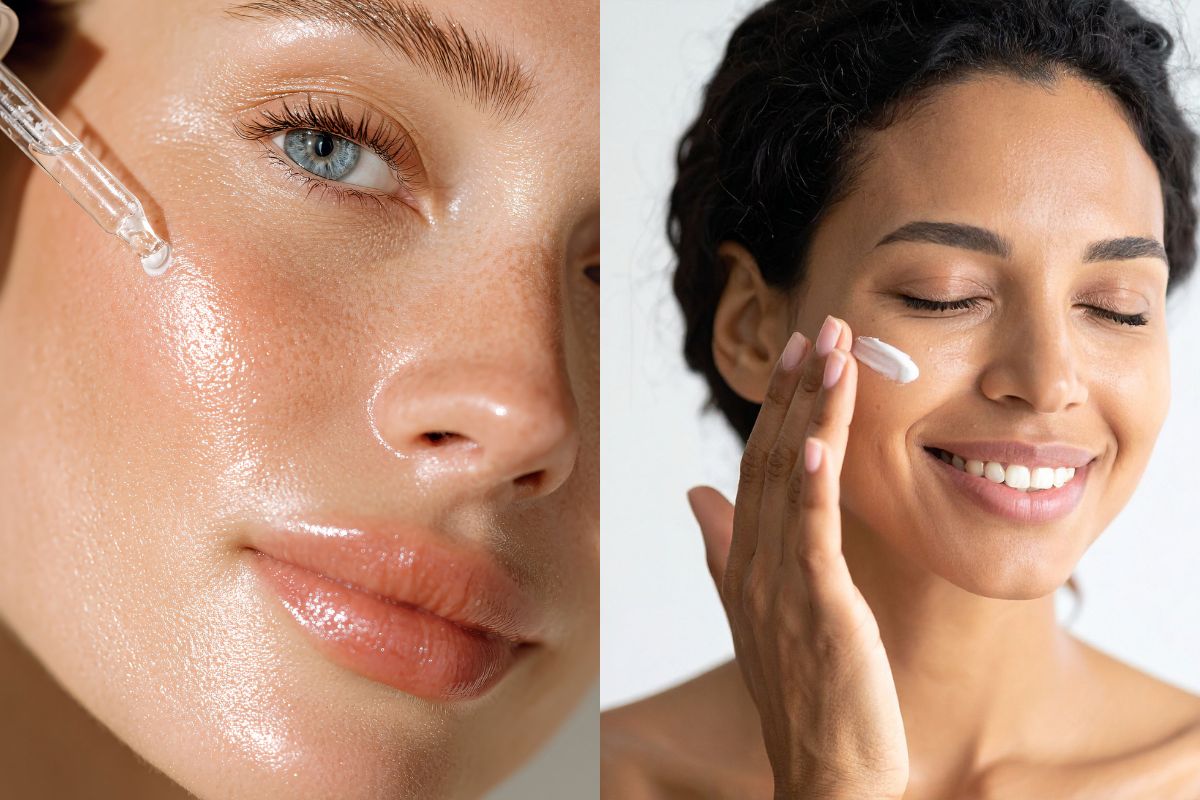
The Skin Fix: A Quick Comparison
| Feature | Hydrator (The Drink) | Moisturiser (The Jacket) |
| What it actually does | Pulls water into the skin cells | Seals the surface to stop water from escaping |
| The “Vibe” | Bouncy, plump, and “dewy” | Smooth, soft, and protected |
| Key Ingredients | Hyaluronic Acid, Glycerin, Ectoin | Ceramides, Shea Butter, Plant Oils |
| Best For… | Tightness, fine lines, “dull” skin | Flakiness, rough patches, redness |
| When to use it | Always apply to damp skin first | Apply last to lock everything in |
Why Oily Skin Can Still Feel Thirsty
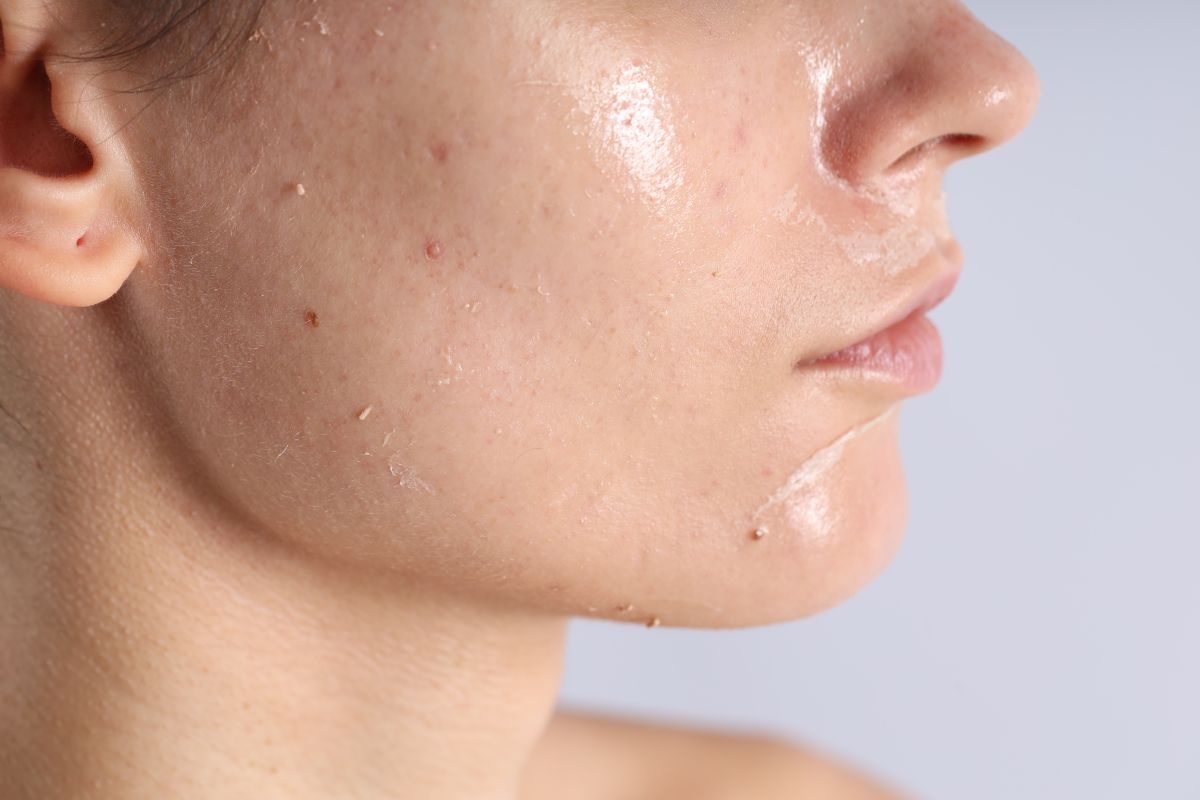
This one catches people out all the time. Someone looks in the mirror, sees shine, and thinks, “I don’t need hydration.” But oil and water are different things. Skin can produce plenty of oil and still lack water underneath. That’s dehydration.
You’ll notice it when your skin feels tight, even though it looks glossy. Fine lines show up around the eyes after washing. Makeup settles oddly. In these cases, skipping a hydrator actually makes the oiliness worse because the skin starts compensating. It’s a bit like drinking less water because your lips are already shiny with lip balm. Doesn’t solve the root issue.
On the flip side, dry skin can lack oil but still needs water too. That’s why some thick creams don’t fully fix the feeling. They seal, but they don’t feed.
Also read: The Great British Comeback: Why We Can’t Stop Watching Molly-Mae and Tommy Fury
Weather Changes Everything
Anyone living in the UK knows how unpredictable the climate can be. One week, eek, damp and mild. The next week, dry wind and central heating blasting indoors. Skin reacts to these shifts faster than people realise.
I remember a winter in Edinburgh where I thought my skin was falling off. I was using a pure Hyaluronic serum (hydrator), but no cream. In that dry, freezing air, the serum actually pulled moisture OUT of my face. I learned the hard way that a hydrator without a lid is a recipe for disaster.
Hot and humid days usually mean hydration matters more. The air already holds moisture, so lighter water-based products work well. Cold, dry months flip the script. Moisturisers become essential because wind and heating strip away natural oils. Air conditioning indoors quietly adds dehydrationtoo the mix even during summer.
That tight feeling after sitting in an office all day often isn’t age or stress. It’s evaporated water—a direct result of our unpredictable British climate.
Also read: The Renters’ Rights Act is Law—But When Does It Actually Change Your Life?
The Skin Barrier And Why It Matters
The outer layer of skin acts like a shield. Tiny lipids sit between cells, keeping irritants out and moisture in. When this barrier weakens, water escapes faster, and sensitivity creeps in. That’s where moisturisers step up. They reinforce that shield using ingredients like ceramides, shea butter, or plant oils.
Now, hydrants are a different beast. They use humectants, which I always think of as tiny “water-magnets.” Take your usual suspects like Glycerin or Hyaluronic Acid—they’re basically reaching out into the air to pull moisture into your skin.
But honestly? By now, in 2026, we’ve moved past the basics. Most people I talk to are obsessed with Polyglutamic Acid because it holds roughly four times the moisture of Hyaluronic.
Then there’s Ectoin. It’s a bit of a wonder-ingredient. It’s an “extremolyte,” which sounds like a sci-fi term, but it essentially wraps your cells in a protective “hydration shell.” It’s doing the heavy lifting by bridging that gap between deep hydration and actually fixing a mangled barrier.
Once that water is in, you need Emollients (the “gap-fillers” like Ceramides) to smooth the surface and Occlusives (the “seal” like Shea Butter) to lock the door. Without the seal, that expensive hydration just vanishes.
Also read: What Is The Difference Between Micro Blading and Nano Blading: A Real Person’s Experience
Layering Makes A Bigger Difference Than People Expect
Here’s the part many routines miss. Order matters. Clean skin? It absorbs better. Hydrators love damp skin—it gives them something to grab onto. Then you seal it. Done.
- Cleanser first.
- Hydrator next.
- Moisturiser last.
It’s often called the ‘sandwich method’ by dermatologists. It sounds basic, but it’s the quickest way to fix a dull face. Skipping the middle step leaves the skin sealed but still thirsty.
Also read: Fashion Trends That Look Huge On Your Phone, Then Feel Odd On The Bus.
Common Slip-Ups That Keep Skin Stuck
Look, I’ve been there — slathering on a thick balm and assuming that more product equals more comfort. It doesn’t. You just start to wonder why your chin is breakingoutu, and your forehead still feels like parchment paper. Over-moisturising is a common pitfall, especially for acne-prone skin; it clogs the pores without providing the necessary hydration.
Another big one? Confusing “glow” with hydration. Here’s the reality: a shiny finish doesn’t always mean healthy water levels. Sometimes it’s just surface oil reflecting the kitchen light. Real hydration feels bouncy and comfortable, not slick or greasy.
And look, please don’t ditch the hydrator just because you’ve got oily skin. It’s a massive mistake. I mean, seriously—it’s like turning down a glass of water because you’ve got greasy hair! The two have absolutely nothing to do with each other. It only becomes rational once you understand the difference between moisturiser and hydrator.
Think of it this way: one is a cold drink on a hot day; the other, a waterproof jacket. And even if it’s finally swathed in a coat, your skin still needs that drink. And if you short the water, your skin panics and goes into overdrive, turning on the oil faucet. It’s a vicious cycle that you definitely want to avoid.
Customising the Balance for Your Face
Here’s the thing: your skin isn’t a static document. It’s a shifting ecosystem. If you have Dry Skin, you’re likely fighting a losing battle against oil production, so you’ll need a heavy-duty hydrator followed by a rich moisturiser every single day.
But if you’re Oily, don’t think you’re off the hook. You’ll thrive on lightweight, watery hydrators. Think gels, not heavy balms. And honestly, Acne-prone skin often clears up once it’s properly hydrated. Why? Because when your skin is parched, it overproduces oil to compensate, leading to the very breakouts you’re trying to avoid.

Combination skin is the real trickster. It shifts with the seasons—or even just the time of day. You might need a “magnet” (hydrator) all over, but a “lid” (moisturiser) only on your cheeks. As for sensitive skin, keep it boring. Look for simple, fragrance-free barrier repair formulas. In the world of skincare, “boring” is usually a compliment.
No single bottle is a magic wand. Your face changes with age, the brutal UK weather, and how much sleep you’re getting. The real secret? Stop looking in the mirror and start feeling your skin. If it feels tight when you smile, it’s thirsty. If it’s rough, it’s hungry.
Also read: Why the Wasp Walked Away: The Real Story of Evangeline Lilly, Her Man, and Her Millions
Beyond the Hype: Finding Your Own Balance
So, here’s the bottom line. The difference between moisturiser and hydrator isn’t just some clever bit of marketing to get you to buy two bottles. It’s the difference between your skin actually being healthy and it just looking greasy for ten minutes.
One adds the water; the other acts as the coat that keeps you warm. Honestly, you don’t need a cupboard full of expensive jars or a 12-step routine that takes half the morning. Usually, one solid hydrator and a reliable moisturiser are all it takes to stop that “Edinburgh freeze” from ruining your face.
Don’t be taken in by the luxury price tags or the newest viral “miracle” cream. Notice how your skin feels an hour after you apply your products, not just after the five seconds of “coolness” right after you dab them on. Isit still tight? You’re missing water. If it’s flaky? You’re missing oil.
Skincare should not feel like a chore or like a science experiment you’re flunking. It’s just about balance. Once that finally clicks, everything stops feeling so complicated and starts feeling… well, right. Funny how a tiny shift in how you layer can be the thing that finally saves your skin, isn’t it?
Also read: Don’t Get “Humbled” by the Arctic: 10 Lapland Travel Mistakes First-Time Visitors Make
FAQ
Can oily skin be dehydrated?
100%. Don’t let a shiny forehead fool you. You can be absolutely swimming in surface oil and still have skin that’s parched underneath. It’s a total myth that grease equals water. Actually, it’s usually the opposite—when your skin is starving for a drink, it panics. It starts overproducing oil just to try to stop the remaining water from evaporating. It’s a messy, frustrating cycle that usually ends in breakouts and tight skin.
Why does skin feel tight even after moisturising?
Consider: you’re fundamentally capping an empty pot. If you layer on a thick, buttery moisturiser but forego the hydrator, you’ve sealed the surface, but there’s no water anywhere inside to give your skin a bouncy feel. It’s like pulling on a giant North Face parka when you’re dying of thirst. Yes, you’re shielded from the wind, but you’re still dehydrated. You have to have the drink first, then you put on the jacket.
Can a hydrator replace a moisturiser?
Maybe if you lived in a tropical rainforest, but in the UK? Forget it. A hydrator like Hyaluronic Acid is great at grabbing water, but it has no “grip”—it can’t hold it there. Without a moisturiser to lock the door, that expensive hydration just vanishes into your dry office air or the freezing wind. That’s exactly how I ended up with skin like sandpaper during that Edinburgh winter. One won’t work without the other.
Can you over-hydrate skin?
You can’t really “over-water” the cells, but you can definitely ooverdothe products. If you layer five thick creams, you’re just going to end up with clogged pores and “mushy” skin. It’s not about how much you put on; it’s about whether the skin is actually absorbing it. If it’s just sitting on top like a mask, you’re doing too much.
Why does my “glow” fade so quickly?
Because “glow” is often just temporary surface moisture. If that water isn’t sealed in with a proper moisturiser (the “jacket”), it’s gone the second you step near a radiator. Real, lasting hydration comes from deep within the cells, not just the shiny film on top that reflects the light for ten minutes.