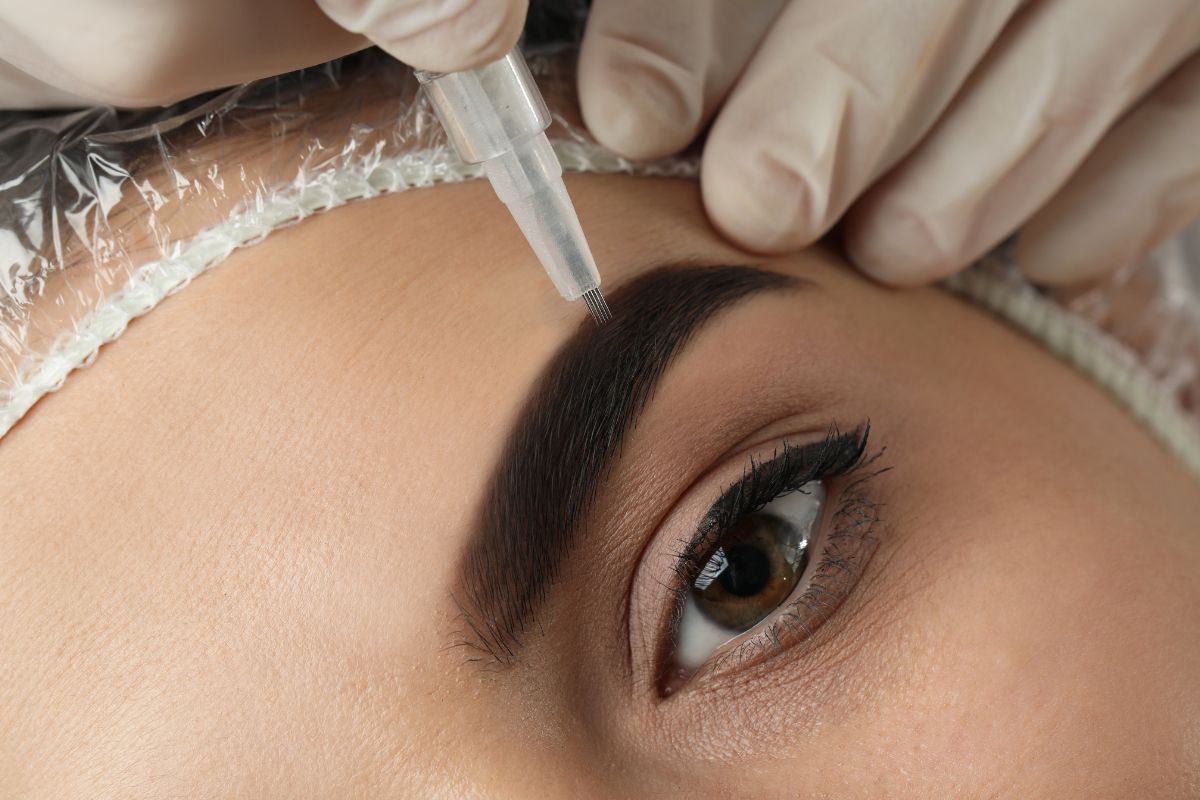
Right, I’ll tell you something embarrassing. Last Tuesday I was sitting in my beautician’s chair looking like a right plonker because I’d asked for “nano blading”, thinking it was some fancy new treatment. Sarah, my beauty therapist, just laughed. “Hun, you mean microblading with nano needles?” she said. That’s when I realised I needed to get my head around what is the difference between micro blading and nano blading.
Turns out half the beauty world is just as confused as I was. So I did some proper digging.
What Actually Is Microblading?
Let me start simple. Microblading’s been around ages, since about 2000, properly. It’s that semi-permanent eyebrow tattooing thing where someone uses a tiny handheld blade to scratch hair-like strokes into your skin. Then they fill those scratches with pigment.
The tool looks like a tiny scalpel with several needles arranged in a straight line. Creates those crisp, defined hair strokes that everyone’s mad about. Lasts about 18 months if you’re lucky.
Microblading goes deeper into your skin than nano techniques. That’s why the strokes look bolder. More dramatic. Brilliant if you’ve got sparse brows and want them to look properly thick.
So What Is Nano Blading Then?
Here’s where it gets confusing. What is nano blading exactly? Well, there are two different things people call “nano blading“, and they’re completely different.
First type: Some places call it “nanoblading” when they use microblading but with thinner needles. In reality, most microblading artists today use “nano”-sized needles anyway, making the distinction largely pointless. It’s basically just marketing speak.
Second type: Proper nano brows use a machine. Not a handheld blade. A single-needle device called the nano needle machine that works like a tattoo machine but uses an extremely fine needle. Completely different technique.
Most places offering “nano blading” are actually doing the machine version. That’s the one that’s properly different from traditional microblading.
What Is The Difference Between Micro Blading and Nano Blading?
Right, here’s the meat of it. The difference between micro blading and nano blading comes down to tools and technique.
Microblading: Manual handheld blade. Deeper cuts. Bolder strokes. Typically lasts longer, ranging from 2 to 5 years.
Nano brows (machine method): Electric machine with a single needle. More shallow and precise depth of pigment placement offers a more diffused-looking hair stroke that is gentler and less traumatic to the skin. Creates a softer, more natural appearance using a nano needle to create finer, hair-like strokes.
The nano method is gentler. Less bleeding, less pain, less trauma to your skin. But it doesn’t last as long; nano blading can last anywhere from 6 to 12 months compared to microblading’s 18 months.
Which One’s Better For Your Skin Type?
This bit’s important. Your skin type makes a massive difference.
- Oily skin: Go for nano brows. Nano brows are more resilient on oilier skin and large pores because the strokes are less likely to blur. Microblading on oily skin can look fuzzy after a few months.
- Mature skin: Nano again. It’s gentler for mature skin, as the needle used in nano brows causes less trauma than the microblading blade. Less chance of scarring or complications.
- Normal/dry skin: Either works, but microblading gives you bolder, longer-lasting results.
- Sensitive skin: Definitely nano. Less aggressive technique means less chance of reactions.
Cost And Maintenance Differences
Here’s something Sarah told me that shocked me. Nano brows might seem cheaper initially, but they’re more expensive long-term.
- Microblading: Higher upfront cost, but it lasts longer. Maybe one touch-up per year.
- Nano brows: Lower initial cost, but you’ll need touch-ups every 6-8 months. Adds up quickly.
Think about your lifestyle too. Can’t be bothered with regular touch-ups? Stick with microblading. Want something more natural that you can refresh seasonally? Nano might be your thing.
Pain And Healing Process
Pain levels? Nano wins hands down. A smaller needle means less pain and bleeding. I watched someone get nano brows done; barely flinched. Microblading’s more uncomfortable because they’re literally cutting your skin.
Healing’s quicker with nano too. Less scabbing, less flaking. With microblading you get proper scabs that you mustn’t pick at. Nano just goes a bit darker for a few days and then settles.
The Results – What Actually Looks Better?
Honestly? Depends what you’re after.
- Microblading results: Sharp, defined, Instagram-worthy brows. Looks like you’ve got naturally thick hair. Perfect if your brows are really sparse.
- Nano brows results: Softer, more natural looking. Like you were born with decent brows that just need a bit of tinting. Better if you’ve already got some hair but want to fill gaps.
I’ve seen both done well and both done badly. It’s more about finding a good technician than which technique you choose.
Which Should You Actually Pick?
After all my research, here’s what I reckon:
Choose microblading if:
- You’ve got very sparse brows
- You want dramatic, defined results
- You can’t be arsed with regular maintenance
- You’ve got normal or dry skin
Choose nano brows if:
- You want subtle, natural-looking results
- You’ve got oily or sensitive skin
- You don’t mind more frequent touch-ups
- You’re scared of pain (fair enough)
My Final Thoughts
The whole nano blading vs microblading thing isn’t as complicated as the beauty industry makes it sound. Both give you better brows than drawing them on every morning with a pencil.
What is nano blading? It’s either microblading with thinner needles (barely different) or machine nano brows (a properly different technique). Most places mean the machine version when they say “nano blading”.
The difference between microblading and nanoblading comes down to this: microblading’s bolder and lasts longer; nano blading’s gentler and more natural but needs more upkeep.
Sarah ended up doing microblading on me because I’ve got rubbish sparse brows and wanted them to look properly thick. Six months later, still chuffed with them. But next time? Might try nano just to see what the fuss is about.
Whatever you pick, just make sure your technician knows what they’re doing. Good technique trumps trendy names every time.