
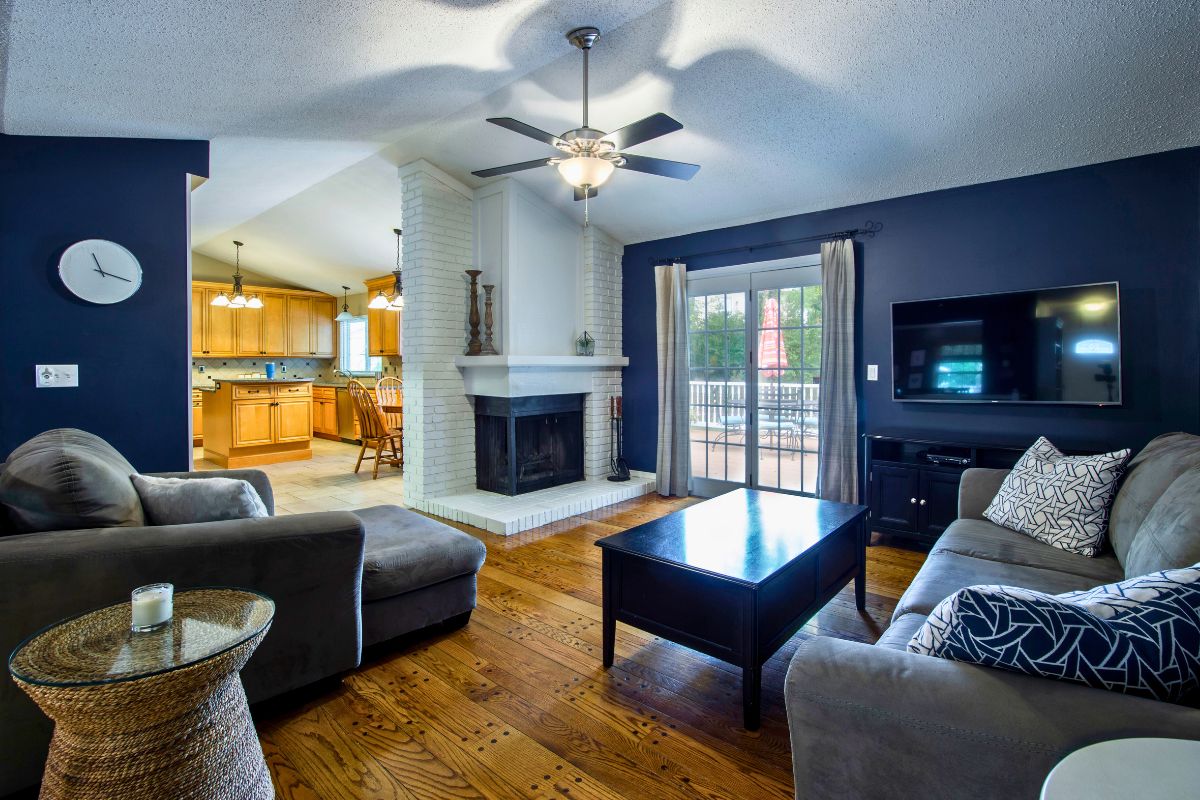
Six months ago, I looked around my London flat and felt sick. Plastic bottles in the fridge. Cling film everywhere. Tupperware taking over my cupboards. I was part of the problem that sees UK households throw away 1.7 billion pieces of plastic weekly,whicht comes to 60 pieces per household per week.
Something had to change. My UK eco-conscious lifestyle transformation started with a simple goal: eliminate every piece of plastic from my home. Not reduce it. Eliminate it completely.
The Reality Check That Started Everything
The numbers are mental. UK households discard an estimated 90 billion plastic pieces annually, with only 17% being recycled domestically. Most of our plastic waste gets shipped abroad or burned. That’s not recycling; rather, shifting the problem somewhere else.
I counted every plastic item in my flat. The total? 247 pieces. From toothbrushes to food containers to cleaning bottles. My one-bedroom flat was basically a plastic warehouse with a bed in it.
The wake-up call came when I realised I was throwing away around 50 pieces of plastic packaging every week. Crisp packets, yoghurt pots, and ready meal containers. All of it straight to landfill or incineration.
Kitchen: The Plastic Graveyard
My kitchen was the worst offender. Plastic bags stuffed inside plastic bags. Disposable containers everywhere. The fridge looked like a Tesco stockroom.
First change: glass storage containers. I bought a set of ten different sizes from a local shop. Cost me £45, but they’ll last decades. No more plastic Tupperware taking over my cupboards.
Food shopping changed completely. I started buying loose vegetables from the local market. Brought my own canvas bags. Asked the butcher to wrap meat in paper instead of plastic trays. Most small shops are happy to help if you explain what you’re doing.
Milk was tricky. I found a local dairy that delivers in glass bottles. Costs slightly more but tastes better anyway. The bottles get collected, sterilised, and reused. Proper circular economy stuff.
Cleaning products went next. Switched to bar soap for washing up instead of plastic bottles of liquid. Found refill stations at my local zero-waste shop. Bring your own glass bottles; fill them up with washing-up liquid, surface cleaner, and laundry detergent. Simple.
Bathroom: The Sneaky Plastic Haven
Bathrooms hide plastic everywhere. Shampoo bottles, toothpaste tubes, razors, and cotton buds. I didn’t realise how much until I started counting.
Shampoo bars replaced bottles. One bar lasts three months and comes wrapped in paper. My hair’s never been healthier. Conditioner bars exist too, though they take getting used to.
Toothbrushes were easy; the bamboo ones work perfectly. Bamboo cotton buds or even a reusable silicone swab replaced plastic ones. The silicone swab felt weird at first but actually works better.
Razors caused the biggest headache. Safety razors with metal blades turned out to be cheaper long-term than plastic disposables. Better shave too, once I learned the technique. YouTube helped a lot.
Living Room: The Hidden Plastic Problem
You don’t notice plastic in living areas until you look properly. Remote controls. Lamp fittings. Picture frames. Most of it doesn’t need replacing immediately, but when things break, I choose non-plastic alternatives.
Plants became my new obsession. Terracotta pots instead of plastic ones. Bought proper ceramic vases from charity shops. My flat looks better now; more natural, less clinical.
Books instead of e-readers. Vinyl records instead of streaming. Sounds hipsterish, but there’s something satisfying about physical media that doesn’t need charging.
The Unexpected Challenges
Some swaps were trickier than expected. Bin bags, for instance. I switched to compostable ones made from potato starch. They cost more but break down properly in industrial composting.
Electronics proved impossible to avoid completely. My laptop, phone, and kitchen appliances all contain plastic. But I decided not to replace working items just for the sake of it. That would be wasteful in a different way.
The biggest challenge was food packaging. Although I shopped at farmers markets and zero-waste shops, some plastic still came in. I’ve reduced my plastic consumption by about 95%, but complete elimination is nearly impossible in modern Britain.
The Financial Reality
Going plastic-free isn’t cheap initially. I spent about £300 in the first month replacing everything. Glass containers, stainless steel water bottles, bamboo toothbrushes, and wooden kitchen utensils.
But the ongoing costs are lower. Shampoo bars cost less per wash than bottles. Safety razor blades cost pennies compared to plastic cartridges. Buying loose vegetables is cheaper than pre-packaged ones.
My weekly shopping bill has actually decreased by about £15. Partly because I buy less processed food, partly because I’m more conscious of what I’m purchasing.
The Surprising Benefits
My UK eco-conscious lifestyle change brought benefits I didn’t expect. The flat feels calmer somehow. Less cluttered. Everything I own has weight and substance to it.
Food tastes better stored in glass containers. No weird plastic flavours transferring. Leftovers last longer too.
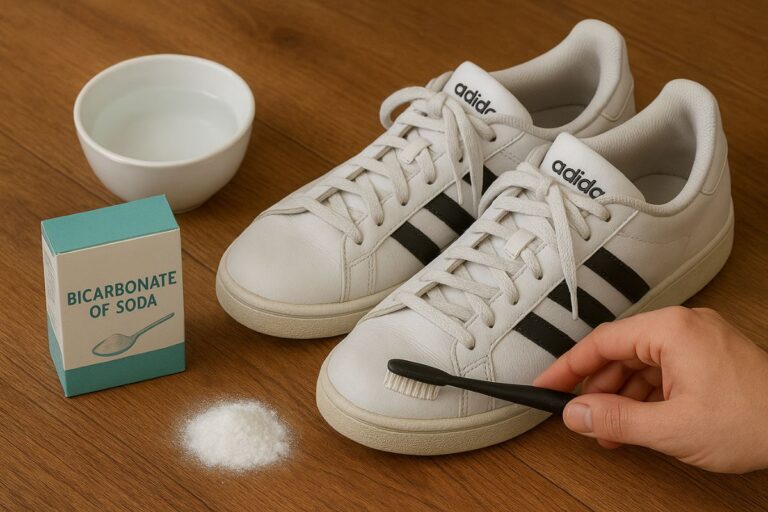
Cleaning became simpler. Bar soap, white vinegar, and bicarbonate of soda handle most cleaning tasks. My cupboards aren’t cluttered with different plastic bottles for every surface.
The Social Side Effects
Friends think I’ve gone slightly mad. Having to explain why I won’t use their plastic cups or why I bring my own containers to takeaways. Some get it; others think I’m being difficult.
Dating got interesting. “Want to come back to mine? Fair warning; I don’t have normal shampoo” isn’t the smoothest line. But it’s a good filter for finding like-minded people.
The Bigger Picture
Just 12 per cent of plastic waste generated in the United Kingdom is thought to be recycled domestically. Individual action matters, but systemic change is needed too. Companies need to stop wrapping everything in plastic. Governments need better policies.
But I can’t control that. I can only control what I buy and how I live. My flat is proof that plastic-free living is possible in modern Britain. It takes effort, costs money initially, and requires some lifestyle changes.
Six Months Later
My flat is now 98% plastic-free. The remaining 2% is electronics and a few items I’m waiting to replace when they break naturally. I feel better about my environmental impact, and my living space feels more intentional.
The transition wasn’t smooth. I made mistakes, I bought things that didn’t help, and I occasionally wondered why I was even continuing. But persistence pays off. You learn what works, find reliable suppliers, and form new habits.
Would I recommend it? Absolutely. Be diplomatic and start small; give yourself some time and keep your head down and focus on positive changes, not perfection. Each plastic item you refuse to buy is one less piece in that 90 billion pile a year. That’s worth something.








One response to “UK Eco-Conscious Lifestyle – How I Made My UK Flat 100% Plastic-Free”
Great