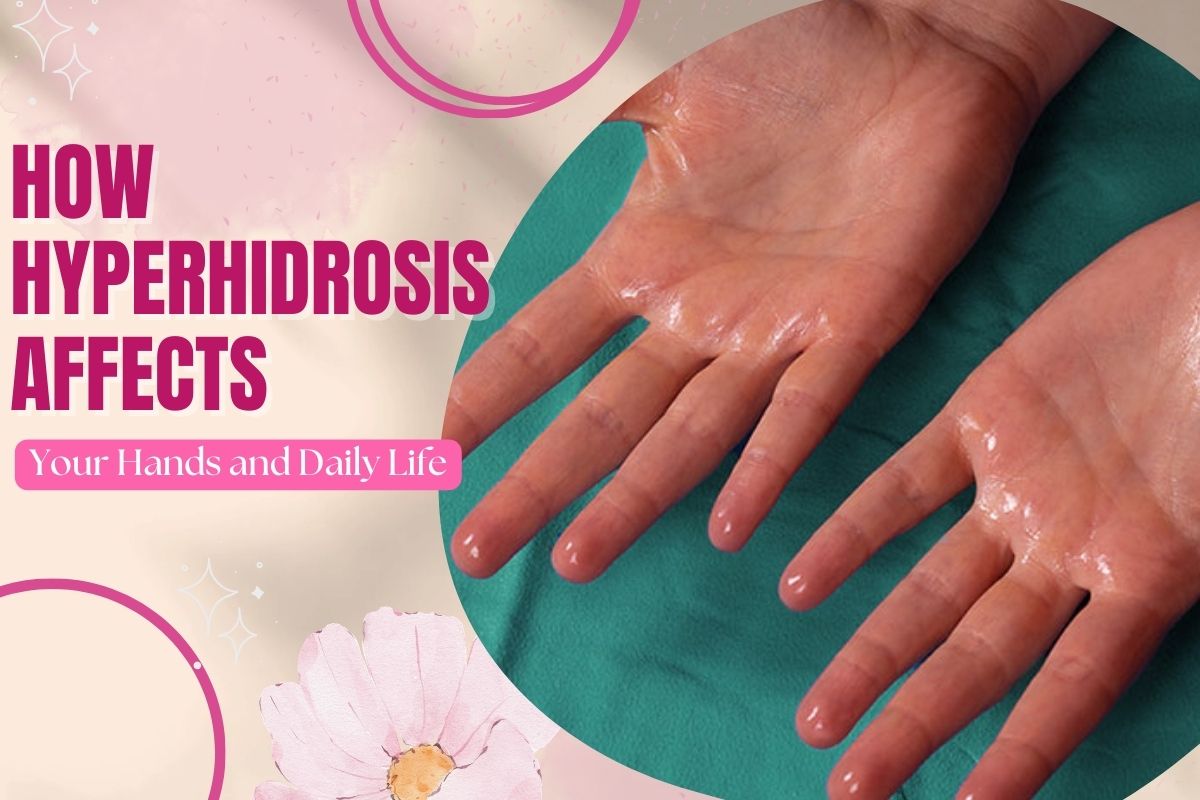
Picture yourself waiting in line at a packed Manchester coffee shop. When you reach for your phone to view a message, the screen won’t budge. Your thumb glides uselessly over the glass, where it leaves a wedged, frustrating smear of moisture. Or maybe you are at a networking event, and just the prospect of a handshake makes your heart sink. You know your palm feels like a cold, wet sponge, and the panic only worsens the “leaking”.
If this feels like your everyday life, you’re not “a little clammy”. You’re probably one of millions of Britons suffering a particular medical malfunction. It’s called palmar hyperhidrosis. For far too long, people have dismissed such symptoms as “just nerves” or a personality quirk. But as we approach 2026, the medical world has finally caught up. This issue is not a character flaw; it’s a physiological conundrum. Let’s take a look at exactly how and why hyperhidrosis affecting your hands is such a massive hurdle and, more importantly, how you can actually dry them out for good.
What Exactly Is Hyperhidrosis?
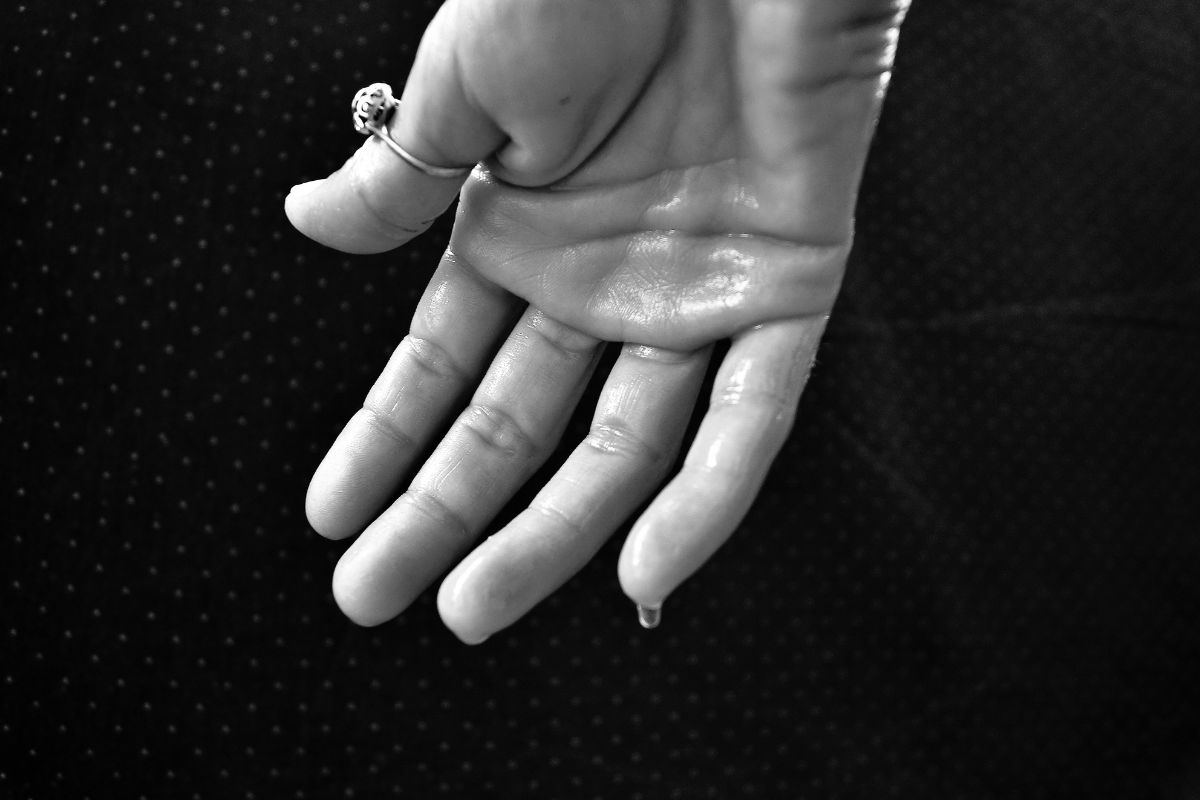
At its most basic, hyperhidrosis is a condition in which your sweat glands have lost their “off” switch. It is not your body working to cool you down after a jog; it’s an excess of moisture that has no beneficial function. It is a real medical condition. The sympathetic nervous system—the part of your brain that manages automatic things, like your heartbeat—is basically screaming at the eccrine glands in your palms to sweat constantly. There are two main types you need to know:
- Primary Focal Hyperhidrosis: The most common type. It typically begins in childhood or puberty. It is, in effect, a glitch in genetic wiring that seems to target the hands, feet or underarms.
- Secondary Hyperhidrosis: This is “reactive” sweating. It’s usually due to an underlying problem, such as a side effect from a new medication, thyroid problems, or hormonal changes, like menopause.
Normal Sweaty Hands vs. Hyperhidrosis: The Difference
How do you tell if you simply have “hot hands” or a medical problem?
- Normal Sweat: This is when it’s 30°C outside, you’ve just smashed a gym session or are a few moments before going on stage. The sweating stops as soon as the “trigger” (the heat/stress) is gone.
- Hyperhidrosis: This situation occurs even when you’re sitting completely still in a freezing cold room. Your hands may be dripping as the rest of your body stays bone-dry. A massive indicator is that people with the primary version seldom sweat while they are asleep. If you wake up dry but start “leaking” the moment you think about your day, you’ve got it.
| Feature | Normal Sweaty Hands | Palmar Hyperhidrosis |
| Primary Trigger | High heat, intense exercise, or acute stress (e.g., a job interview). | Often no trigger; occurs while sitting still in cold environments. |
| Duration | Temporary; stops once you cool down or calm down. | Chronic; occurs at least once a week for at least 6 months. |
| Physical Appearance | Slight dampness or clamminess. | Visible droplets; hands may look pale, bluish, or even slightly swollen. |
| Symmetry | Can vary. | Almost always bilateral and symmetrical (both hands equally). |
| Night Activity | Can include night sweats if the room is hot. | Crucial Sign: Sweating almost always stops during sleep. |
| Daily Impact | Mild annoyance; easily wiped away. | Significant; can ruin paper, make touchscreens fail, and cause social withdrawal. |
| Family History | Not usually a factor. | Frequently inherited; often runs in the biological family. |
What Actually Causes Sweaty Hands?
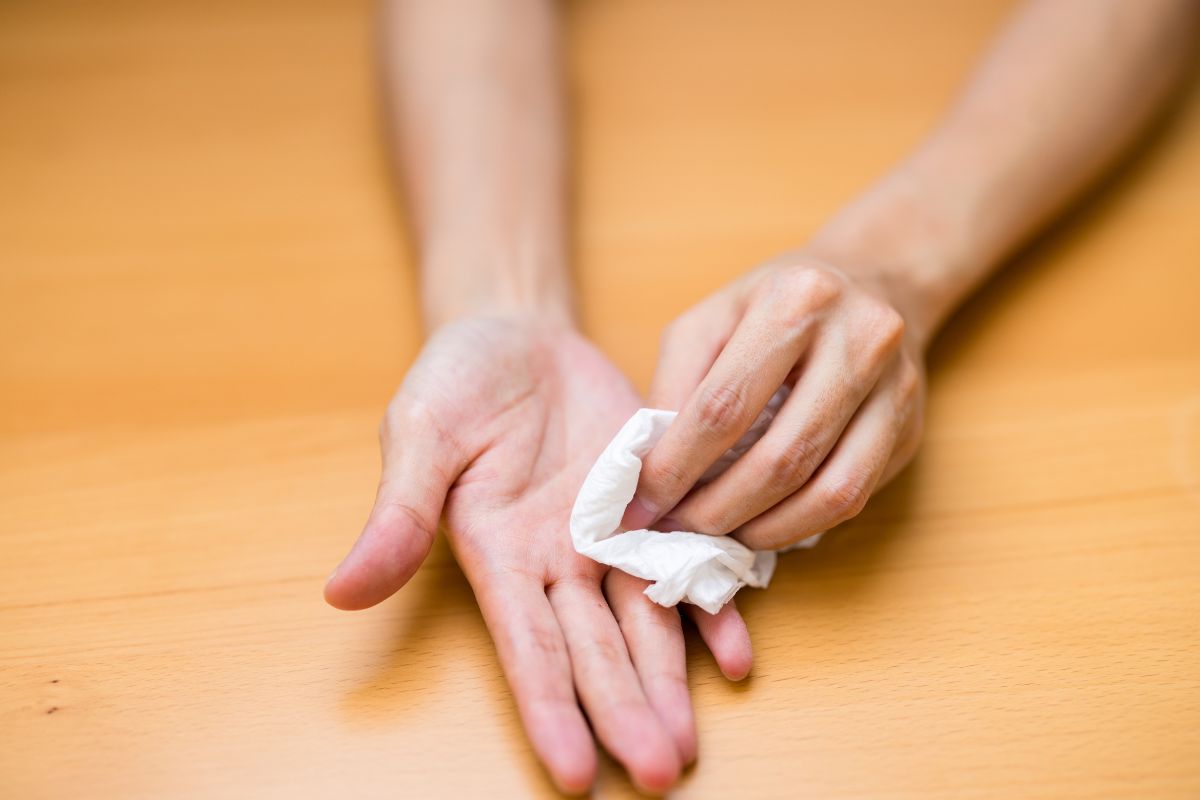
For most, it’s down to a hyperactive “fight or flight” response. Your brain sends signals to your sweat glands via the sympathetic nerves. In sufferers, these signals fire like a broken telegraph machine.
Genetics is a big player here. About 50% of people with the condition have a family member who deals with the same thing. Then you have the hidden triggers.
While they don’t cause the condition, things like caffeine, spicy food, and overthinking act like fuel on a fire. They tell an already excited nervous system to go into absolute overdrive.
Symptoms and the “Silent” Daily Struggle
The symptoms aren’t just “wet skin”. It’s a full-blown lifestyle disruption.
- Technology Glitches: Touchscreens often fail to recognise wet fingers. Keyboards become slippery and eventually “gunked up” with salt and moisture.
- The writing struggle: You can no longer use a pen, because the paper becomes damp and the ink smudges under your palm.
- Social Isolation: The “Handshake Dread” is real. Some people won’t date or attend job interviews because they fear that moment of first contact. It’s a mental burden that follows you throughout the day.
How Stress and Anxiety Make It Worse
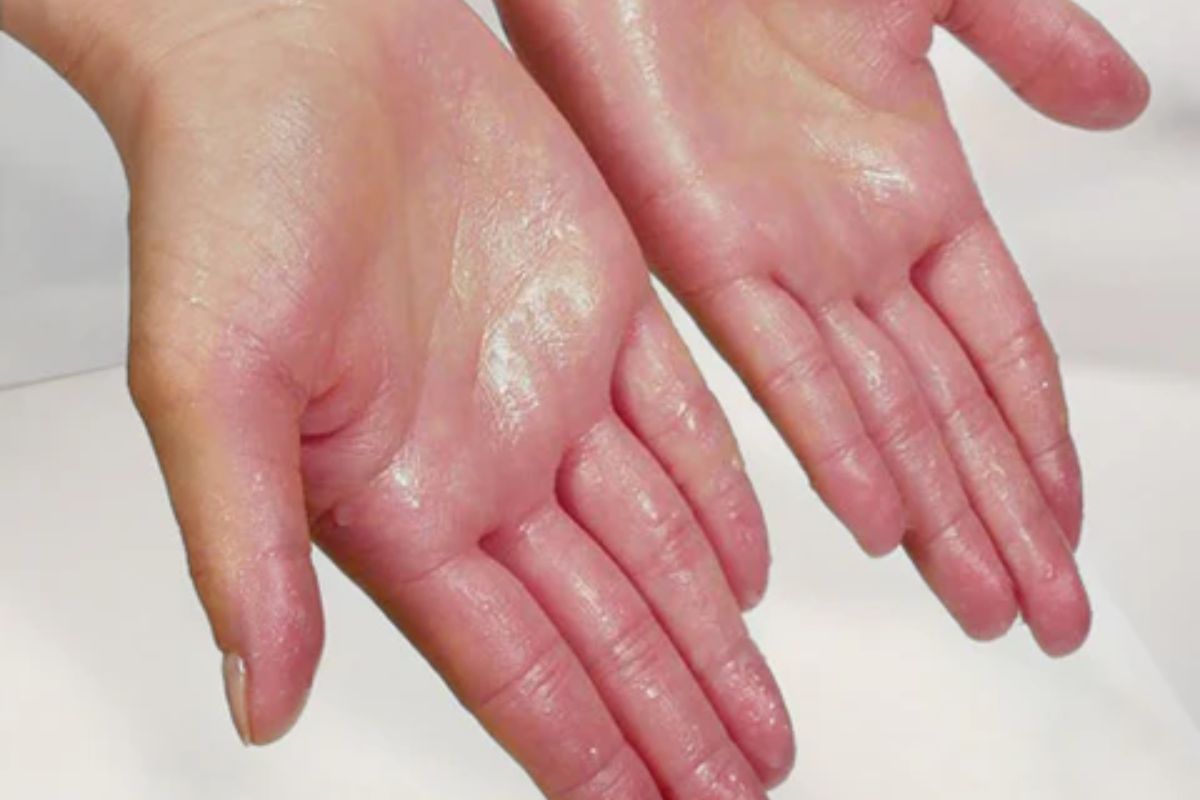
This is the vicious part of the cycle. Though the cause of the issue is physical, your brain compounds it a hundredfold. Your hands start to feel damp, and you get worried that people will notice. Such anxiety sets off your “fight or flight” response, which instructs your sweat glands to—you guessed it—produce even more moisture. You’re not sweating because you’re a nervous person; you’re nervous because you’re sweating. It’s a vicious cycle that can be difficult to break without help.
Also read: Is That Lump In Neck Harmless or Concerning? Find Out
Treatments: From Natural Soaks to Medical Marvels
You don’t have to just “grin and bear it”. There’s a ladder of treatments available in the UK:
Medical Options
- Clinical Antiperspirants: Forget the supermarket stuff. You need high-strength aluminium chloride, like Driclor.
Pro tip: Apply it at night to bone-dry skin. If your hands are even slightly damp when you put it on, it’ll itch like a swarm of bees.
- Iontophoresis: This is the “Gold Standard” for hands. You sit with your palms in a tray of water while a tiny electric current passes through. It sounds like something out of a sci-fi film, but it basically “plugs” the sweat ducts for a few weeks.
- Botox Injections: This method blocks the nerve signals to the glands for 6 to 9 months. It’s brilliant but can be uncomfortable and a bit pricey if you’re going private.
Natural Remedies
- Sage & Baking Soda: Sage tea has natural astringent properties that can help “tighten” the pores. A baking soda soak can also temporarily dry out the skin by shifting the pH level, though it’s more of a temporary fix than a cure.
Daily Tips and “Instant Fixes” for Social Situations
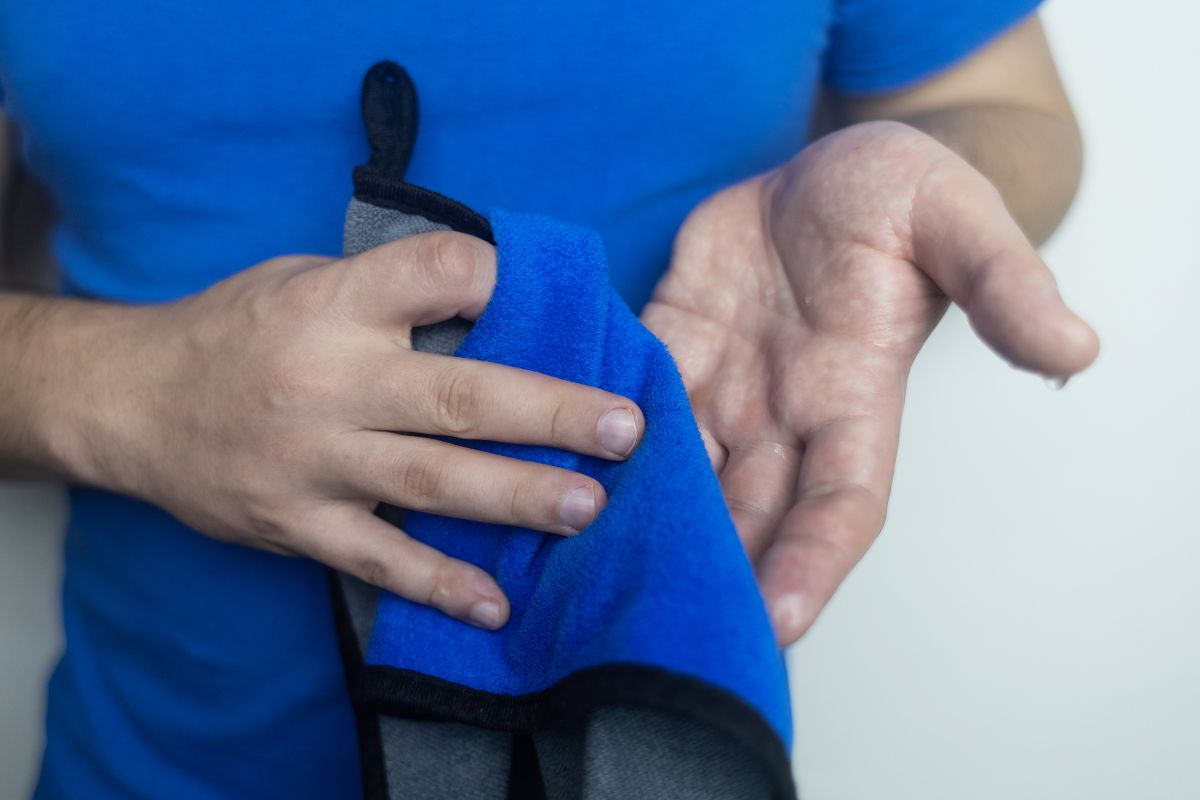
Got a big meeting in ten minutes and your palms are puddles? Try these:
- The Cold Water Trick: Run your wrists under freezing cold water for 60 seconds. It “resets” your internal thermostat briefly and can buy you twenty minutes of dryness.
- Alcohol Wipes: A quick swipe with an alcohol-based hand gel dries out surface moisture instantly. Just don’t overdo it, or your skin will crack.
- The Pocket Handkerchief: A small microfibre cloth in your pocket. Do a “stealth squeeze” immediately before any physical contact.
Also read: What Causes Lower Back Pain in Females
Myth vs. Fact: Setting the Record Straight
- Myth: You’re just a nervous wreck.
- Fact: It is a physiological malfunction, as we have seen. Anxiety is the passenger, not the driver.
- Myth: You can “detox” by sweating through your hands.
- Fact: Sweat is 99% water and a little salt. Your liver and your kidneys process the toxins. Your hands are just leaky.
- Myth: It will disappear with age.
- Fact: For the majority, it stays the same or requires active management throughout adulthood.
When Should You See a Doctor?
You’re changing your clothes, you’re avoiding people, and if you can’t figure out how to grip a steering wheel properly, it’s time for an appointment. In the UK, your general practitioner (GP) can prescribe antimuscarinic medications or refer you to a dermatologist. As reported in the British Journal of General Practice, getting a professional diagnosis is the first step in stopping the “social anxiety” that often comes with the condition.
FAQ: Quick Answers
Q: Can caffeine actually cause hyperhidrosis?
A: No, but it is a huge trigger. It fires up the central nervous system, which instructs your already-pumped sweat glands to go into overdrive.
Q: Is there a permanent cure?
A: Surgery (Sympathectomy) is an option, but it’s a “last resort”. It comes with a potential risk of “compensatory sweating”, when your body starts to sweat profusely in other areas, such as your back.
Q: Does drinking more water help?
A: It doesn’t stop the sweat, but it stops dehydration. Also, ice-cold water lowers your core temperature, which can slightly decrease intensity.
To be real, existing with wet hands is a true nightmare, but that doesn’t need to be your “forever”. All the tech and treatments of 2026 are lightyears from where they used to be. You are not “weird”, and you are definitely not alone. So, perhaps start that cold water thing tomorrow, or actually have that conversation with your GP. What have you got to lose—besides a bit of salt water?
Sources & Credible References
- NHS England: Excessive Sweating (Hyperhidrosis) Treatment Pathways – The definitive UK source for identifying symptoms and understanding which treatments (like Driclor or Iontophoresis) are available on the NHS.
- British Journal of General Practice: Clinical Management of Hyperhidrosis – A peer-reviewed resource used by UK doctors to assess the psychological impact of palmar sweating and the effectiveness of medical interventions.
- Primary Care Dermatology Society (PCDS): Palmar Hyperhidrosis Clinical Guidance – Detailed dermatological protocols for 2026, specifically focusing on the step-by-step “ladder” of treatment from topicals to surgery.
- International Hyperhidrosis Society: The Science of Sweat Glands – Global research on the genetic markers of primary focal hyperhidrosis and the success rates of Botox for blocking nerve signals in the hands.
- Nuffield Health: Investigating Secondary Hyperhidrosis – A comprehensive look at 2026 diagnostic trends for sweating caused by underlying health issues or medication side effects.
Medical Disclaimer: This article is for educational purposes and reflects the medical landscape as of February 2026. Because hyperhidrosis can sometimes be a symptom of other health issues, you should always have an initial chat with your GP to rule out any underlying causes.