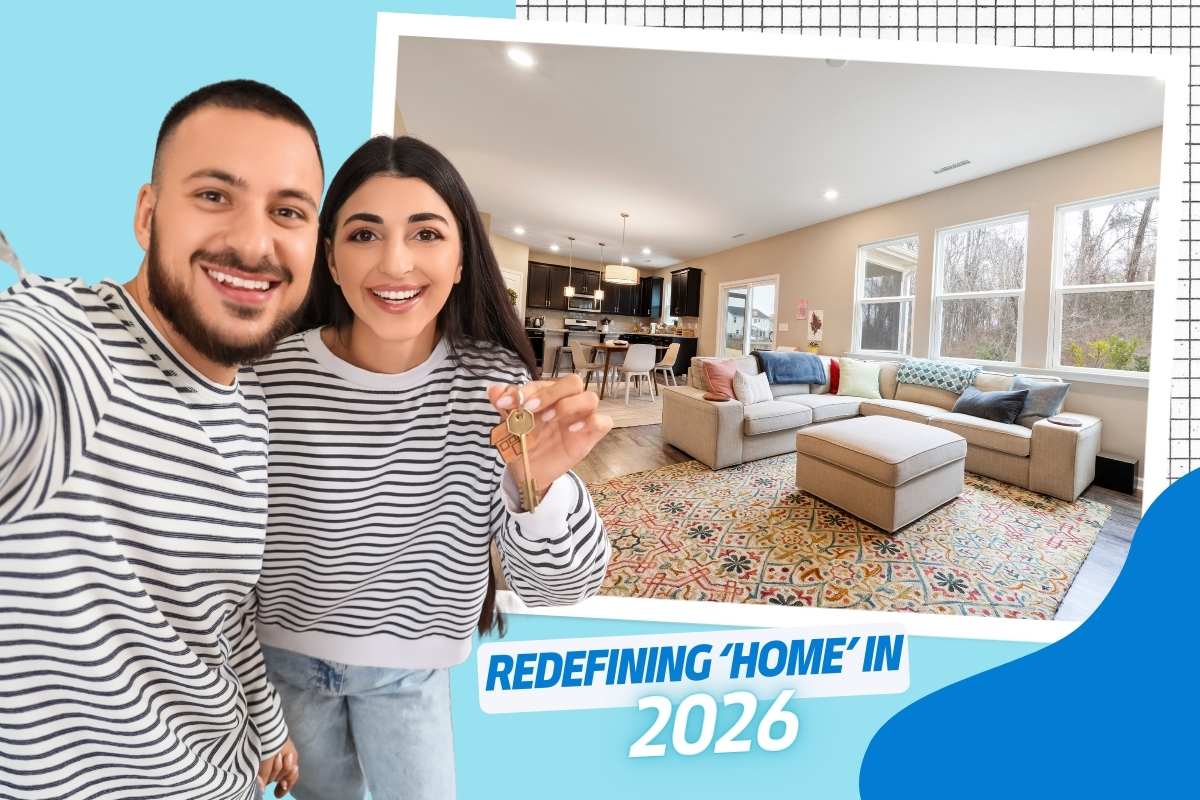
The strangest thing about 2026 is how quickly “home” can change in a single afternoon.
You can feel it in the small moments. A key that doesn’t quite fit because you moved again, or a kettle you bought because it was cheap, then kept because it makes the right noise when it boils. The first night in a new place, when the streetlight throws a thin orange line across the ceiling, and you lie there thinking, is this going to be safe, or is this going to be noisy?
We’ve watched people chase bigger homes for years. More rooms. Better postcode. A kitchen island that screams,s “I’ve made it.” And now, after all the chaos of recent years, a lot of them are doing something quietly radical.
They’re choosing calm and not the fake calm you post online. Real calm, the kind you can feel in your shoulders at 8 pm when you realise you’re not braced for anything. No performance, no proving. Just a space that gives you your brain back.
Design writers have noticed the same swing. Dwell’s recent look at 2026 design trends talks about moving away from stark white minimalism and towards more tactility and ornament, with homes feeling warmer and more lived in. And in the UK, RIBA has pointed to 2026 being shaped by practical pressures too, including policy and standards linked to heat, insulation and ventilation. That kind of real-world stuff changes what people value inside their homes.
So yes, home still matters. It just means something different now.
This is How People Are Redefining ‘Home’ in 2026. And if you’ve felt a bit restless, a bit done with the old idea of “settling down”, you’re not alone.
The New Flex: Choosing a Home That “Holds” You
There’s a new kind of flex in 2026, and it isn’t marble worktops. It’s emotional safety.
People talk about wanting a home that “holds” them. Not in a mystical way. In a practical way. A place where you can shut the door and stop managing everyone’s expectations for five minutes. Where the lighting doesn’t glare. Where the sofa doesn’t punish your back. Where you’re not constantly tidying because you think someone might pop round.
A friend in Manchester told me she realised she’d been living in her hallway. Shoes by the door, coat always ready, bag packed as if she were on standby. So she changed one corner of her flat instead of moving. A lamp with warm light, a cheap chair that doesn’t wobble, and a little shelf for books she actually reads. It sounds small. It wasn’t.
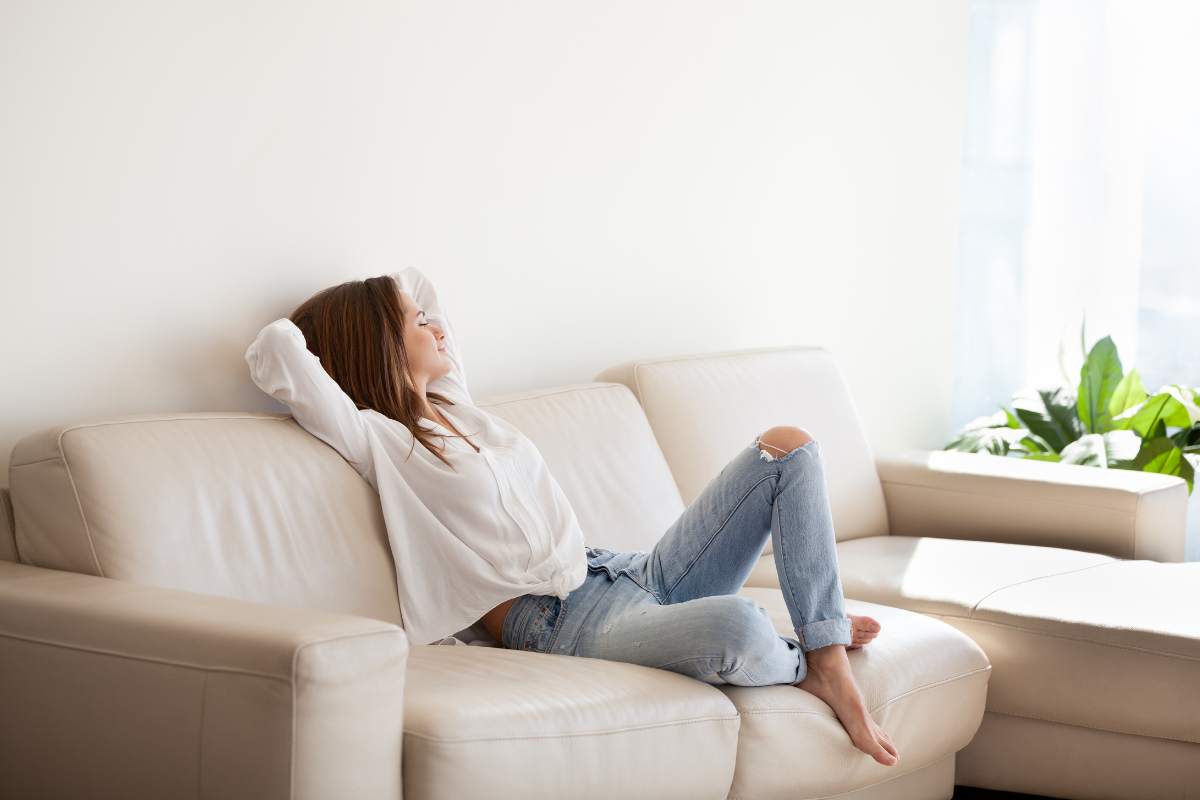
That’s the shift. People are choosing spaces that calm them, not impress strangers.
And designers are feeding it. You can see it in the move towards warmer palettes, layered textures and interiors that look collected rather than staged.
Also read: The Renters’ Rights Act is Law—But When Does It Actually Change Your Life?
Why Our Habits Now Define Our Walls
Here’s the thing. Lots of people aren’t living in one neat life lane anymore.
Jobs stay hybrid, relationships shift, costs squeeze, and families look different. And moving house has become less of a once-in-a-decade event and more like a recurring admin task.
Hybrid working is a big driver. The UK Parliament’s research brief on hybrid working points out that a sizeable share of employees work partly from home, and arrangements vary a lot by organisation. The Office for National Statistics has also tracked who gets access, with hybrid patterns showing up strongly among certain age groups and jobs.
So homes are being built and arranged around changing modes, not fixed roles.
The dining table becomes a desk at nine. Then it becomes a family table at seven. Then it becomes a craft disaster at eight thirty. People are buying foldaway desks, room dividers, chairs that don’t look like offkits kit, and storage that hides the messy bits fast.
And it isn’t only homeowners. Renters are doing it too, because they have to. When you’re on a one-year contract, you don’t invest in built-ins. You invest in systems. A routine. A good light. A few pieces that make any room feel like yours, even if the landlord chose the beige.
Home travels with people now. Not the walls. The habits.
Also read: How I Built a New Life in the UK With Just One Suitcase
Why 2026 is the Year of “Warm Minimalism”
For years, “small home” talk sounded like a trend. Tiny houses. Minimal living. Some of it was genuine. Some of it was just content.
In 2026, it feels more grounded.
People are keeping fewer things because clutter has started to feel like mental noise. Not because they want a perfect minimalist life, but because they’re tired. Tired of managing stuff, moving it and feeling guilty about it.
So they’re getting picky. One good pan instead of five bad ones. A wardrobe that makes sense. Furniture that lasts longer than a season. And many people are finally breaking up with fast furniture that falls apart when you try to drag it across the floor.
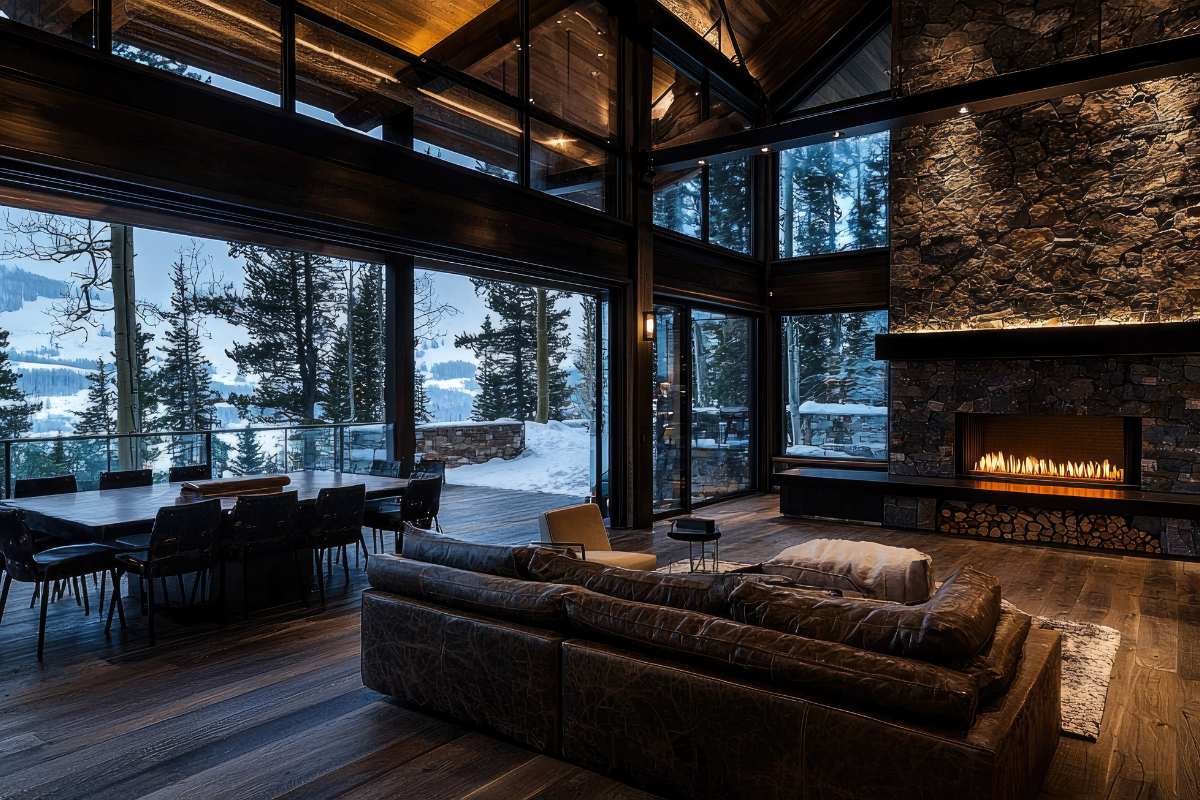
Design coverage has been pointing in that direction too, with more emphasis on warmth, individuality, and moving away from cheap, throwaway decor that makes a home feel like a showroom.
This isn’t about poverty. It’s about clarity. There’s a difference.
Also read: Market Shift: Decoding the Tesla UK Sales Slump
Why Control Is the New Quiet Luxury
I’m not going to play armchair therapist. But I will say this. People are building little “reset zones” like their sanity depends on it.
A chair by a window where nobody talks to you for ten minutes, a bedroom with softer lighting and fewer screens, or a corner that’s only for stretching, or reading, or staring at the wall while the kettle boils. You laugh, but you know exactly what I mean.
The point isn’t luxury. The point is control.
A lot of people realised they can’t control the news cycle, or their boss, or the price of anything. But they can control one small corner of their home. They can choose what it feels like to wake up. They can decide whether evenings are loud or slow.
And that’s why “quiet luxury” has become more than a style phrase. In real life, it looks like comfort, not logos. It looks like curtains that actually block the streetlight. It looks like a rug that doesn’t slip. It looks like a lamp you don’t hate. Simple wins.
Also read: Where to Move in 2026: Top 5 Best Places to Live in UK
Why 2026 is Redefining “Who” We Live With
One of the most interesting changes I’m seeing is how people define a “family home..
For some, it’s no longer tied to marriage or children. It’s tied to who feels safe.
More adults are living with friends again, or moving closer to siblings, or creating shared homes that work like mini communities. This phenomenon is not limited to the student version. The grown-up version, where people actually buy decent loo roll ,and somebody waters the plants.
Part of it is economic pressure, sure. But part of it is emotional. People are tired of being lonely in “perfect” homes.
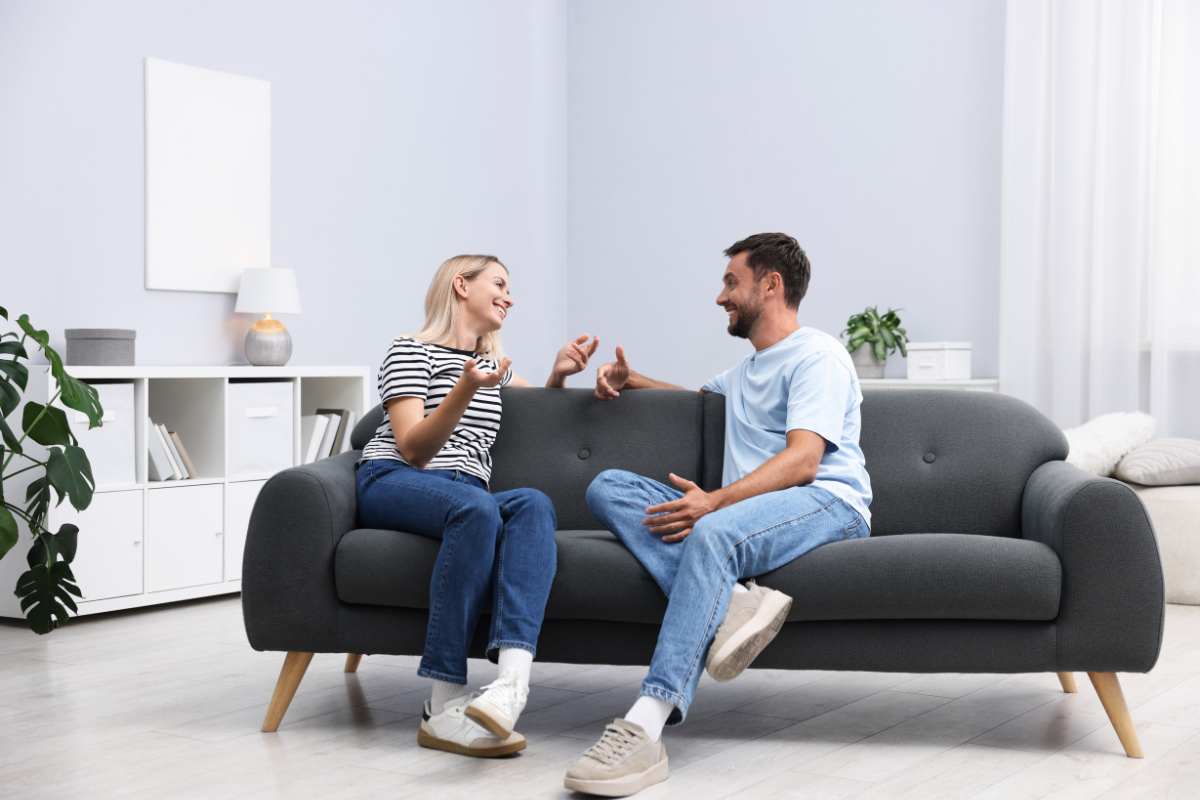
So home becomes a shared rhythm. Cooking together. Splitting chores without drama. Having someone in the next room who’ll notice if you go quiet for too long. That’s not a design trend. That’s a life trend.
Also read: The Skincare Habits People Are Letting Go Of Without Making a Fuss.
The Rise of the “Invisible” Home
The funny part is, homes are getting smarter and more low-tech at the same time.
People like invisible convenience, like heating that’s easy to control, lighting that doesn’t feel harsh, and devices that reduce day-to-day hassle. RIBA’s 2026 commentary on domestic priorities puts a lot of focus on fabric-first design, ventilation, and homes that are ready for modern heating expectations. It’s the practical side of comfort.
But at the same time, people are drawing lines.
Phone stays out of the bedroom. The laptop should shut down at a set time. A “no screens” corner becomes sacred. Morning rituals get simpler. Tea. Shower. Ten minutes of quiet before the day starts shouting.
It sounds obvious. It’s not. It takes effort now.
Why 2026 Design Starts with Feelings, Not Floorplans
Burnout culture plays a role. So does housing stress, even if nobody wants to admit it at a dinner party.
But deeper than that, people want a sense of control that feels human. They want places that support real life, not the version of life that looks good on a listing photo.
Hybrid work pushed the change. Rising costs pushed it harder. And a lot of people got honest about what they actually need.
They need a functional home, not a fantasy one. A workable one.
And that’s why How People Are Redefining ‘Home’ in 2026 doesn’t start with paint colours. It starts with feelings people used to hide.
Also read: Who Is Laila Cunningham?
Final Word
In 2026, home isn’t where life looks perfect.
It’s where life feels manageable. It’s where you can walk in, drop your keys, and stop pretending for a bit. It’s where the day softens around the edges. Where you can breathe without checking if you’re doing it right.
So, if you’re thinking about moving, decorating, downsizing, sharing, or just changing one corner of the room you already have, here’s a question worth asking.
Does your home make you feel like you can handle Tuesday, or does it make you feel like you’re always behind?
Sources and References
- Dwell Magazine: Home Design Trends That Will Rule 2026
- RIBA (Royal Institute of British Architects): Sustainable Outcomes Guide
- Architectural Digest: Quiet Luxury and the New Standard for Home Wellness
- UK Parliament: Is Working From Home Working? (2025/26 Brief)
- Office for National Statistics (ONS): Hybrid Working Trends in Great Britain
- Vogue Living: The Evolution of Quiet Luxury in the Home
- LivingEtc: Acoustic Design and the Low-Stimulus Home