
Woke up this morning to a frost on the London pavements that felt about as cold as the average tenant’s bank balance. If you’ve hopped onto Rightmove at all lately, you’ll know that trying to find a halfway decent flat in the UK has turned into a proper endurance sport. It’s grim out there. Honestly, I watched a mate nearly break down in tears last week over a “studio” in Zone 2 where you could literally reach the microwave while sitting on the toilet.
It’s now late February 2026, and we’re at a bit of a weird crossroads. Everyone’s talking about the “cooling” rental market, but let’s be real—”cooling” just means prices have stopped sprinting and are now just hovering at the peak of a very steep mountain. The latest ONS numbers for February 2026 say UK rents went up about 3.5% over the year, which is supposedly the slowest climb since 2022. But if you try telling that to someone currently hunting in Bristol or Oxford, they’d probably laugh you right out of the room.
The real elephant in the room is the Renters’ Rights Act hitting the books on 1 May 2026. It’s meant to kill off those soul-destroying “bidding wars” and no-fault evictions, but the immediate fallout is a massive supply squeeze. A lot of landlords are just cashing out and selling up before the rules change. Anyway, if you’re ready for a bit of financial masochism, let’s look at the Most Expensive Places to Rent in the UK in 2026.
1. Kensington & Chelsea: Still the Heavyweight Champion
No shocks here, really. Kensington and Chelsea is still the gold standard for “you definitely can’t afford this.” Even though London’s annual growth has slowed to a bit of a crawl—about 1.1% if you look at the latest HomeLet Rental Index—this borough is basically on another planet.
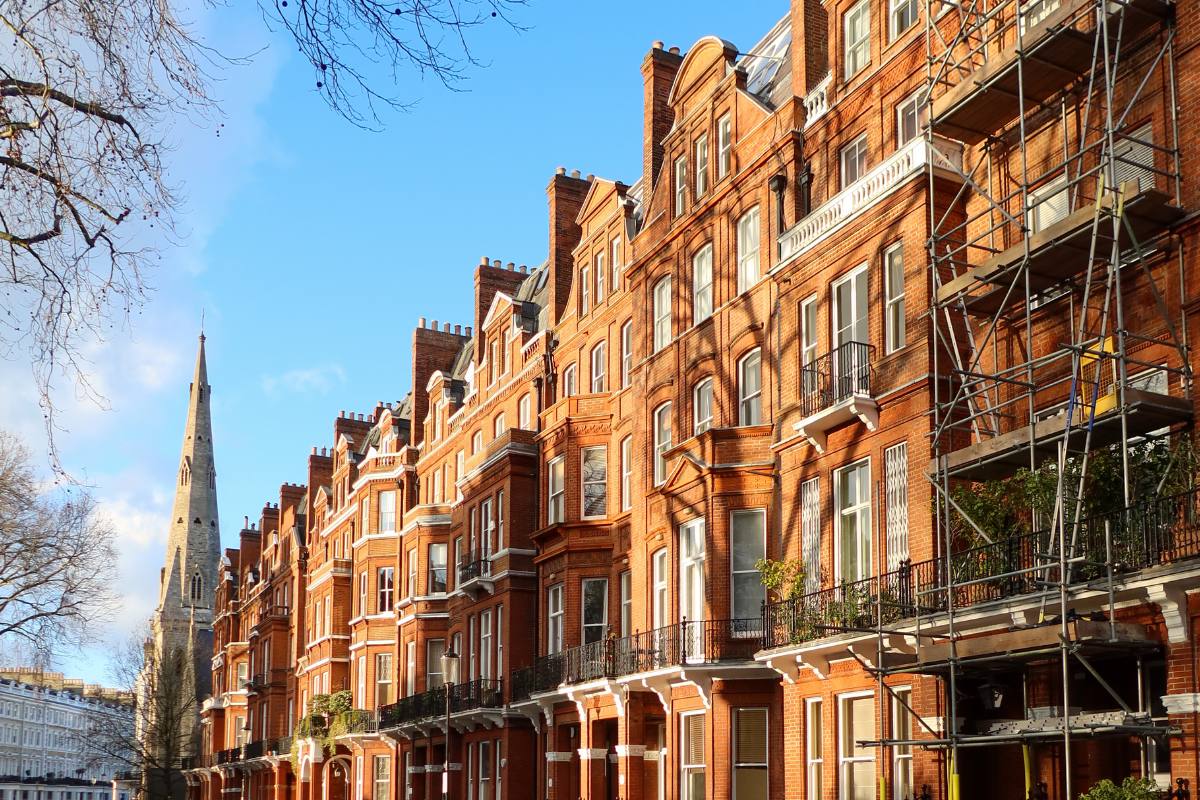
The average rent here is sitting at a frankly terrifying £3,640 PCM. I was grabbing a coffee with a relocation agent last week, and she mentioned that for a half-decent four-bedroom place in the W8 postcode, you’re looking at more like £5,500. It’s not just about the bricks and mortar; it’s that SW3 prestige and being able to walk to the park. It’s Prime Central London, and it’s completely unapologetic about it.
ALSO READ: Whitehall’s Glass Ceiling Finally Shatters: The Historic Rise of Dame Antonia Romeo
2. Westminster: The Political Premium
Walking around Westminster feels like you’re literally breathing in expensive air. It’s the heart of the machine, and the prices reflect the power. Average rents are currently bouncing between £3,150 and £3,400 PCM.
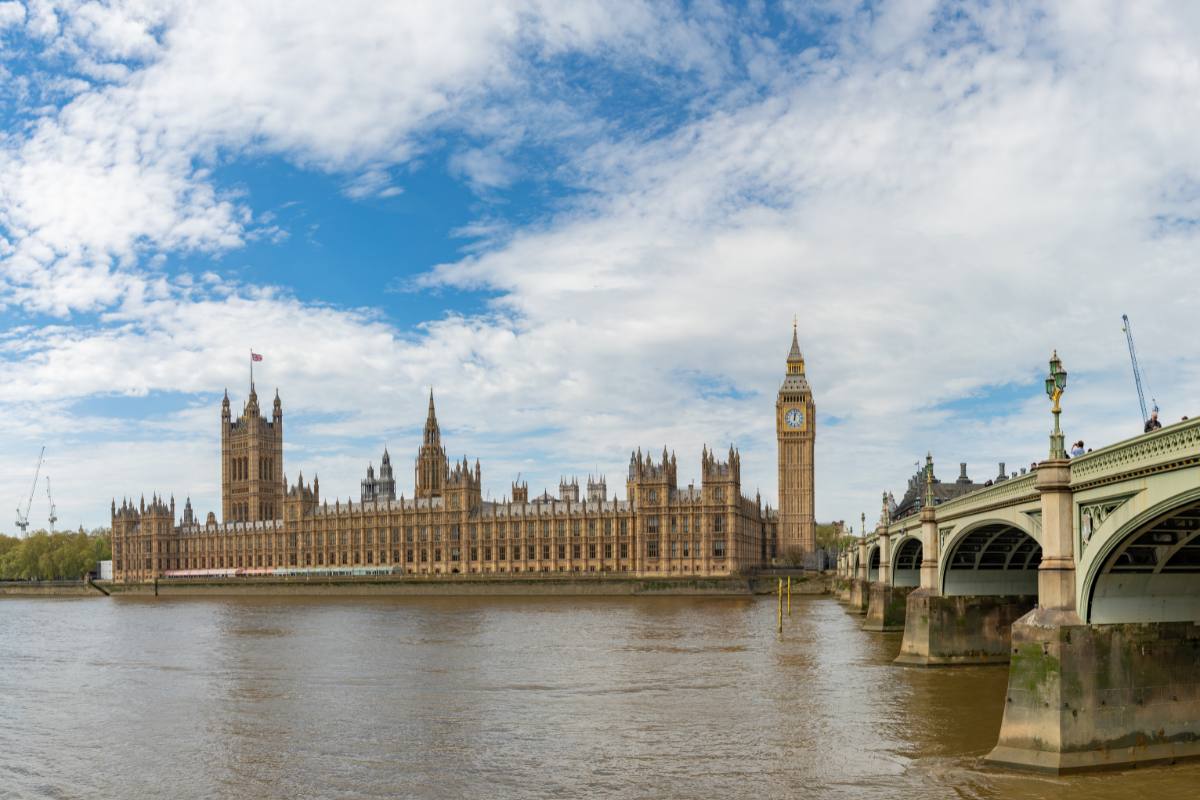
The weird part? Westminster actually saw a tiny dip lately—about 3% down on certain properties—mostly because the “work from home” crowd finally packed up and headed for the suburbs. But don’t go celebrating just yet. A one-bed flat near the Houses of Parliament is still going to set you back roughly £2,500 a month. It’s the second priciest spot in the UK, and honestly, that’s not changing anytime soon.
3. Camden & Islington: The Creative High-Rent District
These North London hubs are where the tech money and the media elite hang out. If you want that “Hampstead village” vibe or a trendy loft in Islington, you’re going to pay for it. Average rents are north of £2,500 PCM.
The crazy part is the weekly figures. In areas like NW3, family homes are topping £800 per week. People aren’t just paying for a house; they’re paying for the artisan bakeries and the gastropubs. It’s a lifestyle tax, plain and simple.
Also read: Britain’s New Border: The Brutal Truth About Getting a UK Work Visa in 2026
4. Oxford: The “City of Dreaming Spires” (and Nightmarish Rents)
Now, this is where things get really interesting. If you head outside the London bubble, Oxford is officially the most expensive city to rent in England. The average price? A cool £1,923 PCM. Yeah, you read that right.
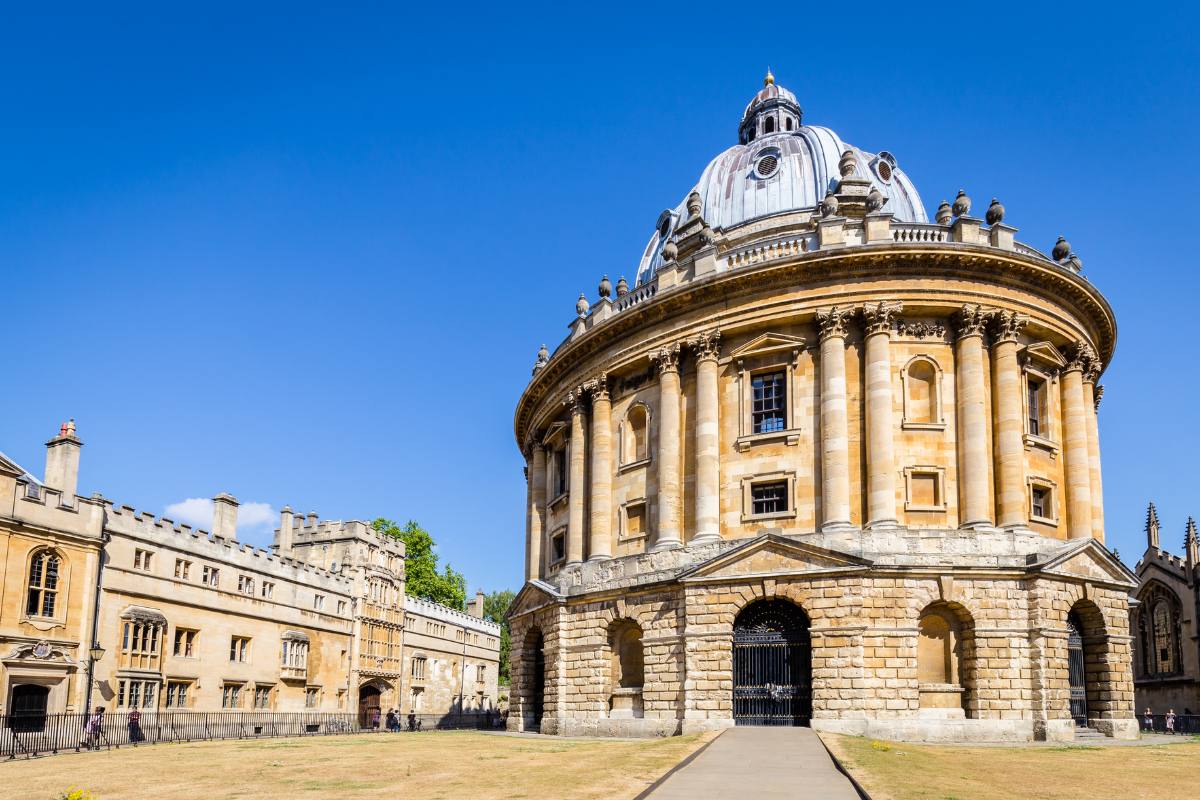
The “town and gown” divide here is more than just history; it’s a full-on housing war. Between the students, the brainy academics, and a life sciences sector that’s absolutely booming, there is basically zero supply. I’ve got a friend who recently went to view a tiny little one-bedroom flat for £1,600. He arrived to find twelve other people already lined up on the pavement. It’s a supply-and-demand bottleneck that has effectively become a full-blown local crisis. You aren’t just paying for the history; you’re paying because there’s nowhere else to go.
Also read: Rebekah Vardy Property Sale: Inside the £9.7M Algarve Villa Exit and Italy Move
5. Bristol: The Wildcard of the West
If there’s one city that has truly exploded in the last two years, it’s Bristol. It’s seen some of the highest annual growth in the country, hitting about 7.4%. The average rent has climbed to £1,893 PCM.
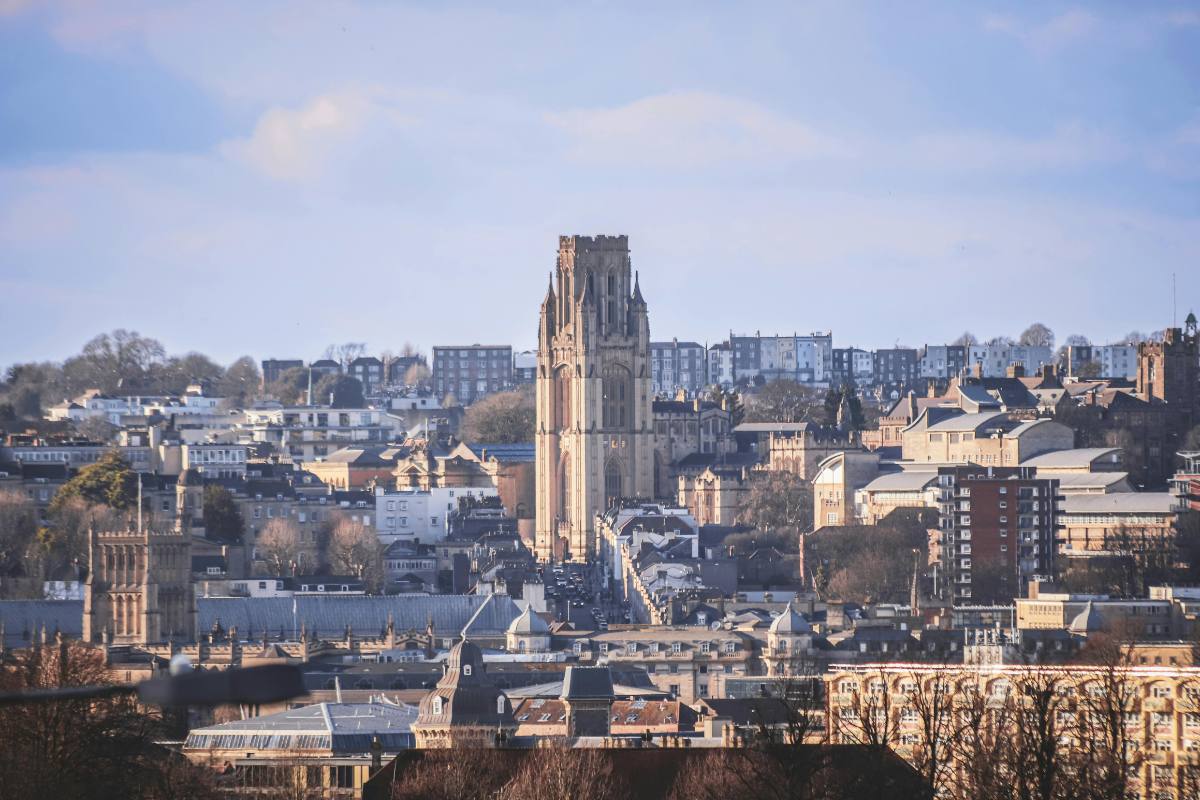
Areas like Clifton and Redland are absolutely packed with professionals who fled London for a “better quality of life” but brought their London-sized budgets with them. The result? Local residents are being priced out at a frightening rate. It’s got that cool, edgy vibe, but the price tag is starting to feel very corporate.
Also read: Who Is Nancy Guthrie? The Story Behind the Search That Halted Savannah Guthrie’s World
6. Cambridge: The Silicon Fen Tax
Much like Oxford, Cambridge is a victim of its own success. The rental market is tied directly to the global tech and pharma giants based there. If you’re looking for a spot near the Science Park, you’re easily looking at £1,700 PCM for something fairly modest.
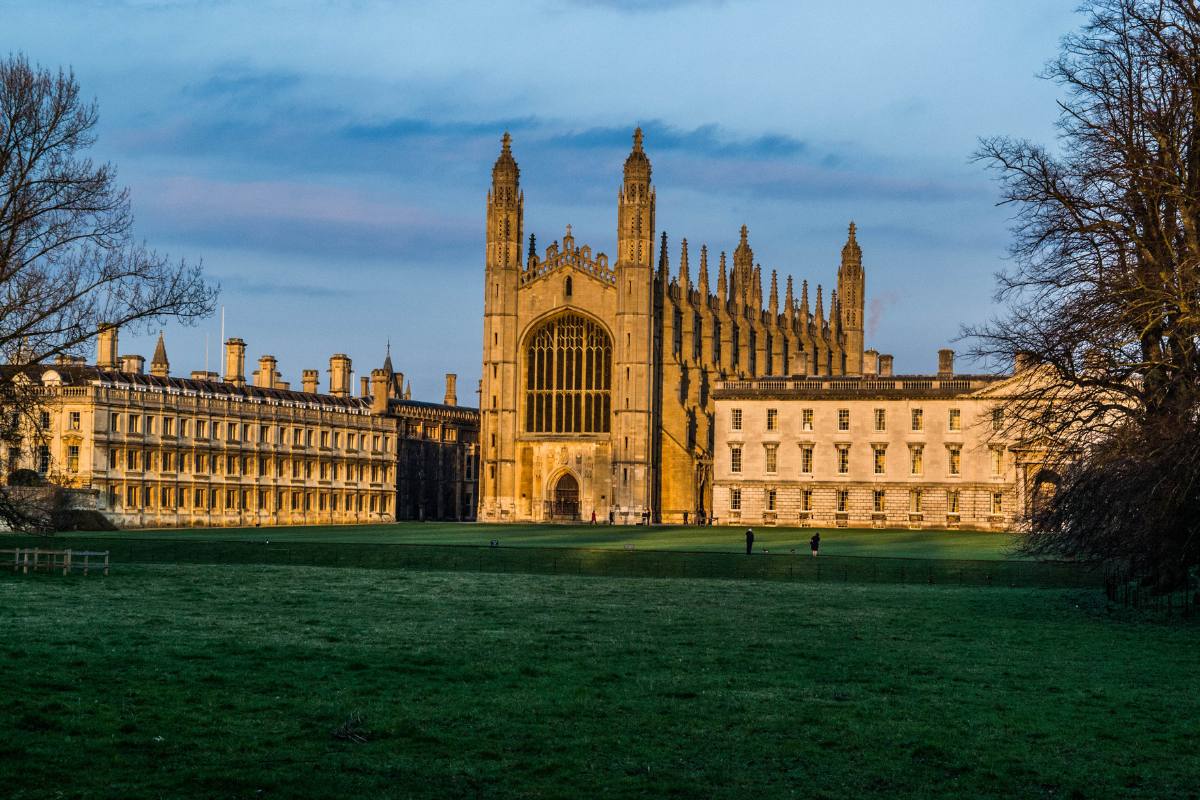
It’s notoriously supply-constrained. Because it’s such a historic city, you can’t just throw up new apartment blocks everywhere. So, the old stock gets more and more expensive. It’s basically London prices without the London Underground.
7. Brighton & Hove: London-by-the-Sea
Brighton has always been a bit pricey, but in 2026, it’s cemented its status as a top-tier expensive city. Average rents are around £1,648 PCM.
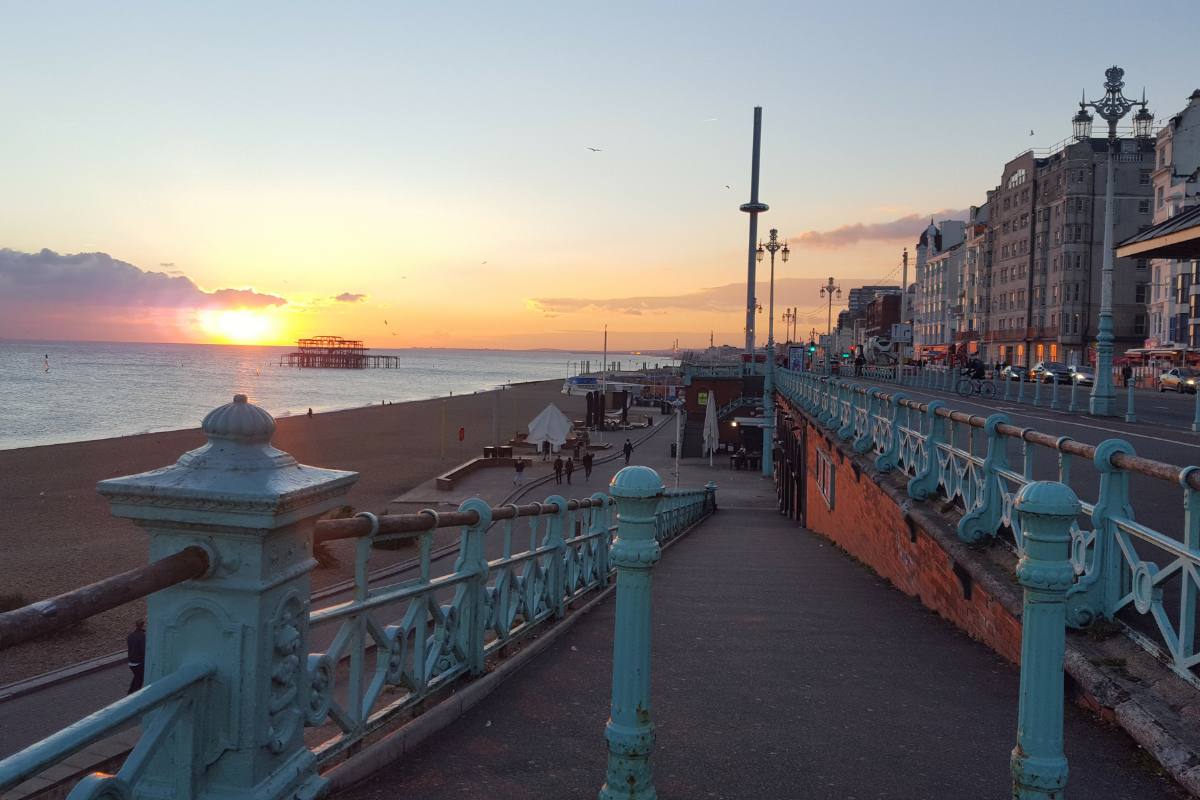
It’s no longer just a place for a weekend away; it’s a major economic hub. With companies like American Express and various digital agencies based there, the demand is constant. Plus, with the train taking just an hour to get to London, it’s the ultimate commuter trap.
Also read: Zayn Malik Net Worth Soars in 2026 After Vegas Residency & 1D Return
8. Edinburgh: The Scottish Exception
Edinburgh is the most expensive city in Scotland by a country mile. Despite various attempts at rent controls over the years, the price for “new lets” has continued to rise, currently averaging about £1,548 PCM.
During the Fringe Festival, these prices go through the roof, but even in the dead of winter, the New Town postcodes are eye-wateringly expensive. It’s now significantly more expensive than big English cities like Manchester or Birmingham.
9. Bath: Paying for the Heritage
Living in a UNESCO World Heritage site comes with what I call a “heritage tax.” Bath is stunning, sure, but the rental market is brutal. Supply is strictly limited because, well, you can’t exactly renovate a Georgian masterpiece into ten studio flats.
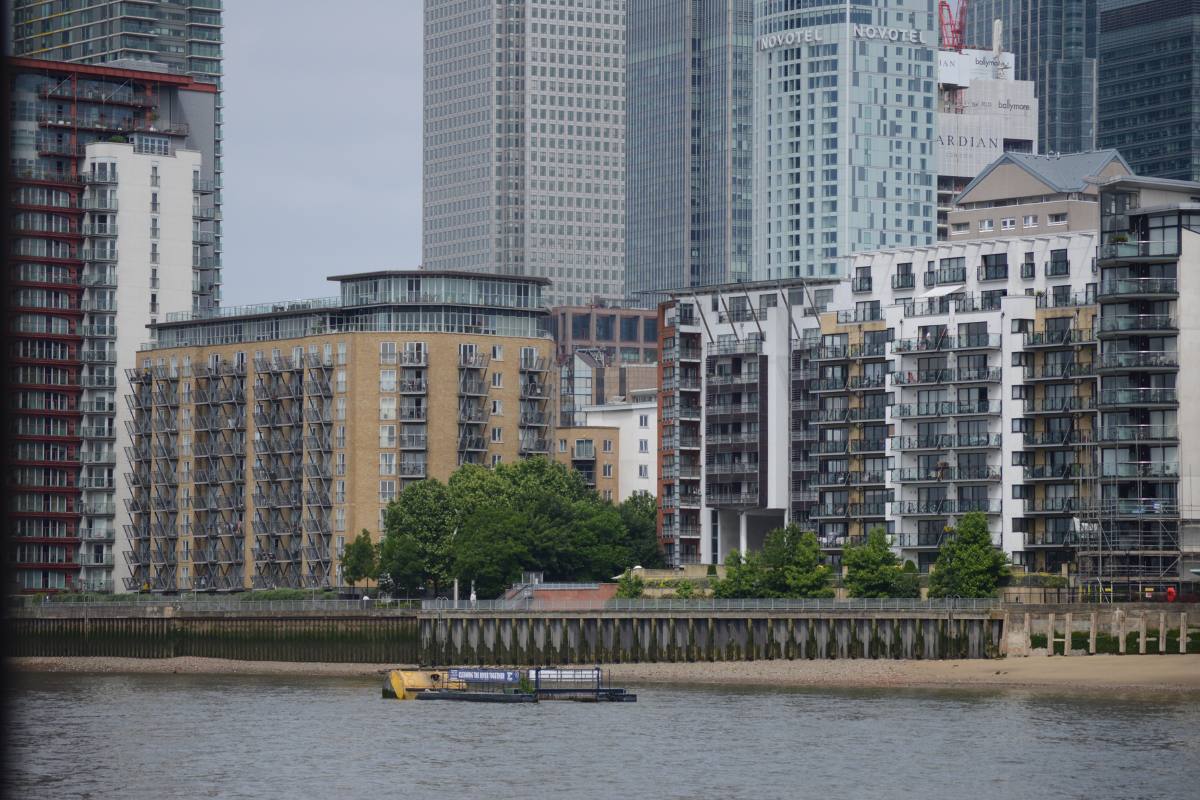
Average rents sit between £1,450 and £1,550 PCM. Even if you’re just looking for a room in a shared house, recent SpareRoom data suggests you’ll be paying over £830 a month. That’s a lot of money to live in a city that’s basically a museum.
ALso read: Anson Boon Movies and TV Shows: The Rising Star Taking Over Your Screen in 2026
10. Kingston upon Thames: The Family Commuter Choice
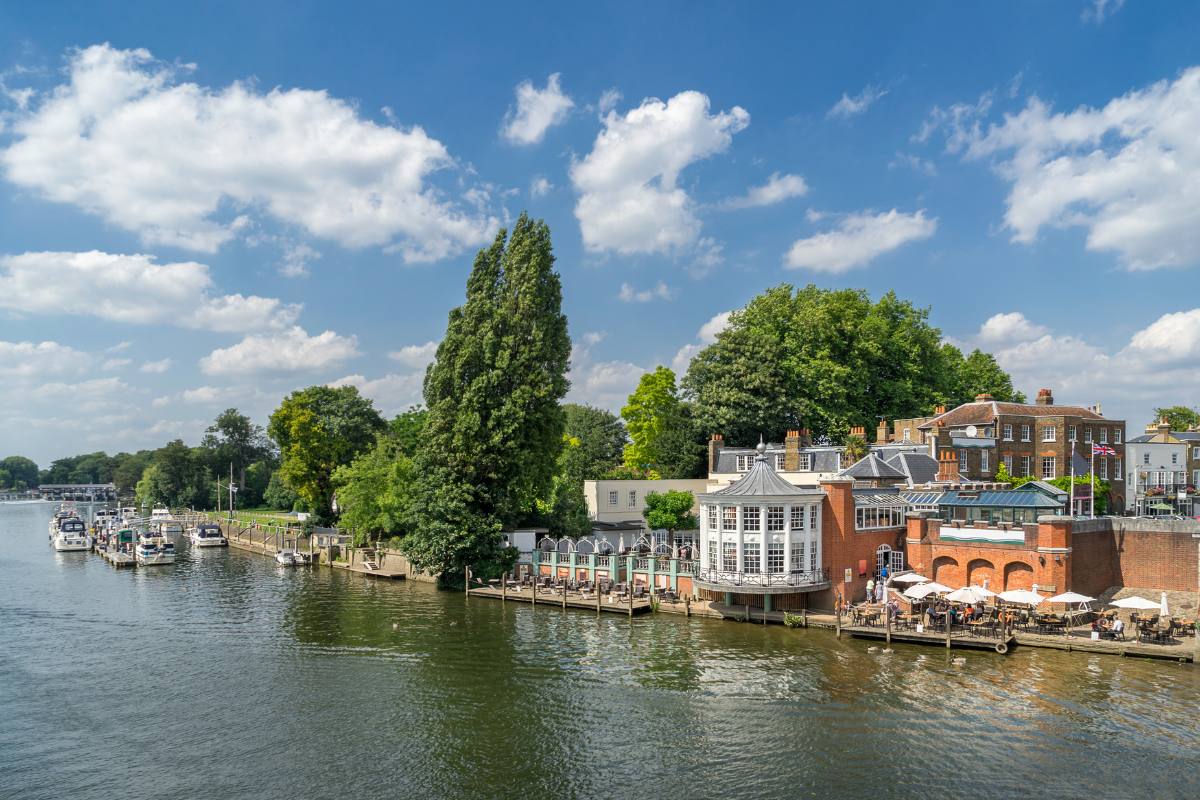
Kingston often tops the lists for the most expensive “commuter” boroughs in Greater London. It offers top-tier schools and that lovely riverside lifestyle, making it a magnet for families.
Small flats or even high-end rooms are going for £1,400 to £1,500 PCM. It’s the go-to for families who can’t quite swing Kensington prices but still have a combined household income well over £80k.
2026 Rental Snapshot: At a Glance
| Rank | Location | Average Rent (PCM) | Market Driver |
| 1 | Kensington & Chelsea | £3,640 | Prime Central London prestige |
| 2 | Westminster | £3,150 – £3,400 | Political & administrative core |
| 3 | Camden & Islington | £2,500+ | Tech and creative hub demand |
| 4 | Oxford | £1,923 | Life sciences & university supply crunch |
| 5 | Bristol | £1,893 | London-exodus & professional migration |
| 6 | Cambridge | £1,700 – £1,797 | “Silicon Fen” global tech/pharma boom |
| 7 | Brighton & Hove | £1,648 | Digital economy & coastal commuting |
| 8 | Edinburgh | £1,548 | Scottish capital “New Let” inflation |
| 9 | Bath | £1,450 – £1,550 | UNESCO heritage supply restrictions |
| 10 | Kingston upon Thames | £1,400 – £1,500 | High-income family commuter demand |
Also read: The Real Story Behind Olivia Attwood’s New Single Chapter in 2026
Why Is This Happening?
Look, I’ve been keeping a close eye on these markets for over ten years now, and 2026 just feels different. Usually, when London hits the brakes, the rest of the country follows suit. But right now, we’re seeing this massive “North-South” shift. Believe it or not, the North East actually clocked the highest growth lately at around 8.0%. Sure, the starting point was much lower—about £767 PCM—but the pace is relentless.
The real elephant in the room, though, is the Renters’ Rights Act. Honestly, it’s all anyone in the industry is talking about. Landlords are properly spooked about losing “no-fault” evictions and having to navigate these new “periodic tenancy” rules. While it’s a win for tenant security on paper, the word on the street is that it’s causing a bit of a panic. Some experts are worried we’re going to see a massive dip in available flats as landlords just decide to sell up and get out.
The bottom line? The most expensive places to rent in the UK in 2026 aren’t just tucked away in a few posh corners of London anymore. That high-price bubble has well and truly burst out into the university cities and those popular coastal hubs.
Also read: The Great British Marriage Hunt: Why We’re All Searching for Liza Tarbuck’s Husband
Common Questions About the Rental Market
Is it actually cheaper to just buy a place in 2026?
In quite a few spots, yeah, it actually is. Mortgage rates have settled down around 3.5% for some deals, which has completely flipped the script. Two years ago, buying felt impossible, but now that “rent vs buy” calculation is looking a lot more tempting if you can actually scrape together a deposit.
What’s the big deal with May 1, 2026?
That’s D-Day for the Renters’ Rights Act. It’s a massive shake-up. We’re talking about the end of fixed-term contracts and a proper ban on those sneaky rental bidding wars where people offer over the asking price just to get a roof over their heads. It’s going to change the UK market overnight.
Why is the North East suddenly growing so fast?
Honestly? It’s because it was so cheap for so long. As people get priced out of the South, they’re heading north looking for actual value. That’s pushed up demand in places like Newcastle and Sunderland. When you’re starting from a lower base, any increase looks huge on paper.
Can I actually challenge a rent hike?
You can. Under the new rules, you’ve got the right to go to a tribunal if you think your landlord is taking the mickey with an increase. But a word of warning—the tribunal looks at the “market level.” If that’s higher than what you’re paying, it could actually backfire.
So, where does that leave us? I mean, the UK rental market isn’t exactly a walk in the park at the moment. Whether you’re lusting after a Georgian townhouse in Bath or a boxy modern flat in Bristol, the price of just having a front door has never seemed so oppressive.
The question is, are you dastardly enough to schedule a move this year or sticking right where you are to avoid the insanity of May 1?
Sources & References
- Office for National Statistics (ONS): Private rent and house prices, UK: February 2026 – The definitive source for UK-wide rental inflation and regional averages.
- ONS Interactive Map: Housing prices in Kensington and Chelsea – Detailed local breakdown of the £3,640 PCM benchmark for Prime Central London.
- Oxford City Council & ONS Data: Housing prices in Oxford – Verifying the 6.5% annual spike and the £1,923 PCM average.
- HomeLet Rental Index: Average Rents at the Start of 2026 – Monthly insights on the London slowdown and regional “supply vs. demand” shifts.
- Citylets Edinburgh Report: Updated Rents in Edinburgh (January 2026) – Specific data regarding the £1,548 PCM average for the Scottish capital.