Kitchen extractor fans get disgusting. Properly disgusting. You don’t notice it happening because it’s gradual, but one day you’re cooking dinner and the fan’s making weird noises and everything smells like chip fat from last Tuesday. That’s when you remember those filters exist.
Most people don’t think about cleaning extractor fan filters until something goes wrong. The fan stops working as well. There’s a greasy film on everything. The smell lingers for hours after cooking. These are all signs that those metal filters above your hob need sorting out, and they probably needed sorting out three months ago.
Why Greasy Filters Are Actually a Problem
Every time you cook, grease particles float upwards. The extractor fan’s job is catching them before they settle on your walls and ceiling. Those metal mesh filters trap the grease whilst letting air through. Clever design, works well for a while.

Then the mesh clogs up. Grease builds on top of grease until the filter’s basically a solid sheet of gunk. Air can’t get through properly. The fan works harder, makes more noise, and achieves less. Meanwhile, grease that should’ve been caught starts coating your kitchen instead.
There’s also the fire risk nobody likes talking about. Grease-soaked filters sitting right above a hot hob? That’s asking for trouble. House fires start this way more often than you’d think.
Also read: Morning vs Evening Workouts
Cleaning Frequency – The Bit Nobody Wants to Hear
Manufacturers reckon you should clean these things monthly. Monthly! The first time I read that in an instruction manual, I laughed. Then I looked up at my filters and stopped laughing.
The thing is, how often you should clean the cooker hood filter parts depends on your cooking habits. Fry a full English every morning? You’ll need monthly cleans, maybe more. Mostly use the oven and rarely cook on the hob? You might stretch it to two months.
Here’s what actually happens, though. You cook something greasy on a Tuesday. Tell yourself you’ll clean the filters at the weekend. The weekend arrives, and you’ve got other plans. Suddenly, it’s been four months, and the filters look like they’ve grown fur.
Set a phone reminder. First Saturday of each month, or whatever works for your schedule. Future you will be grateful when it’s a quick twenty-minute job instead of an afternoon wrestling with solidified grease.
Getting the Filters Out and Starting Fresh
Switch the extractor off first. Sounds daft mentioning it, but you’d be surprised. Most filters either slide out or have little clips holding them in. Mine slides towards me and then drops down. It took me three attempts to work that out the first time.

The ‘how to clean extractor fan cover’ part is easier than you’d think. Wipe it with a damp cloth and some washing-up liquid. Gets rid of grease splatters and fingerprints. Mine’s stainless steel, so I use a microfibre cloth, as it stops it from getting scratched up.
Some covers come off completely. If yours does, take it off. It’s much simpler to clean it in the sink than to try to clean it while attached above your head.
Basic Method Using What You’ve Already Got
Right, how to clean the cooker hood filter in UK kitchens. Fill your sink with the hottest water your tap produces. Add a proper, generous squirt of washing-up liquid, not a pathetic dribble. Drop the filters in.
They need to soak. Minimum twenty minutes for slightly dirty filters. Longer if they’re proper manky. Hour-long soak for really neglected ones. The hot, soapy water breaks down the grease, making it possible to actually scrub off.
After soaking, grab a brush. An old washing-up brush works fine, though it’ll be ruined for dishes afterwards. Scrub all the mesh, getting into corners where grease hides. Rinse with hot water. If they’re still greasy, do it again.
How to Clean Extractor Fan Filters With the Baking Soda Method
This one has saved my hide on more occasions than I could list. Baking soda cuts through grease that laughs at regular washing-up liquid.
Sprinkle baking soda on the oily filters. Be generous with it. Boil the kettle and slowly pour the water over it. It foams like mad, which is the chemical reaction happening. Make sure to add washing-up liquid into the mix, too.
Allow to soak for at least 30 minutes. Baking soda does something tricky to greasy molecules; it breaks them apart. I don’t know the chemistry, but I know results, and this does the job.
How to Clean Extractor Fan Filters With Vinegar Alternative
Cleaning extractor fan filters with vinegar is another great option. The acidity of white vinegar cuts through grease and attacks remaining odours as well.
Combine white vinegar and hot water in a 1:1 ratio. Just chuck the filters in there and let them soak for 20 to 30 minutes. Please be advised that the smell is quite strong. Open windows, unless you want your kitchen to smell like a chip shop.
Some people mix together vinegar and baking soda. Generates tonnes of foam and fizzing. It works great; just keep in mind that your sink will need to be somewhat large to handle the volcanic eruption of cleaning foam.
Cleaning Extractor Fan Filters With Dishwasher Tablet Trick
This surprised me when someone first suggested it. Cleaning extractor fan filters with a dishwasher tablet sounds mental, but those tablets are concentrated degreasers in a convenient form.
Drop one tablet into a sink of very hot water. Wait for it to dissolve completely. Add your filters and let them soak for twenty minutes. The enzymes in the tablet basically eat the grease. Scrub, rinse, done.
Expensive tablets work better than cheap ones, though even budget supermarket ones do a decent job. Just need more scrubbing with the cheaper versions.
Dishwasher Option – Does It Actually Work?
Most metal filters can go in the dishwasher. Check your instruction manual first, but generally they’re fine. Stick them on the hottest cycle available.
Don’t put anything else in there with them. Grease transfers to plates and cutlery, which is grim. Run an empty cycle afterwards to flush out residual grease from the dishwasher itself.
Dishwasher cleaning is convenient for regular monthly maintenance. Less effective for filters you’ve neglected for six months. Those need the sink and proper elbow grease.
How to Clean the Extractor Fan Above the Hob Completely
Cleaning the extractor fan above the hob properly means more than just cleaning the filters. While they’re soaking, tackle the rest.
Wipe the underside of the hood where grease collects. Clean around the lights. Get inside the hood if you can reach, because often there’s grease buildup you can’t see from below.
Degreaser spray works for stubborn bits. Or make your own with washing-up liquid and warm water in a spray bottle. Does the same job, costs less.
How to Clean Extractor Fan Carbon Filter – Different Beast
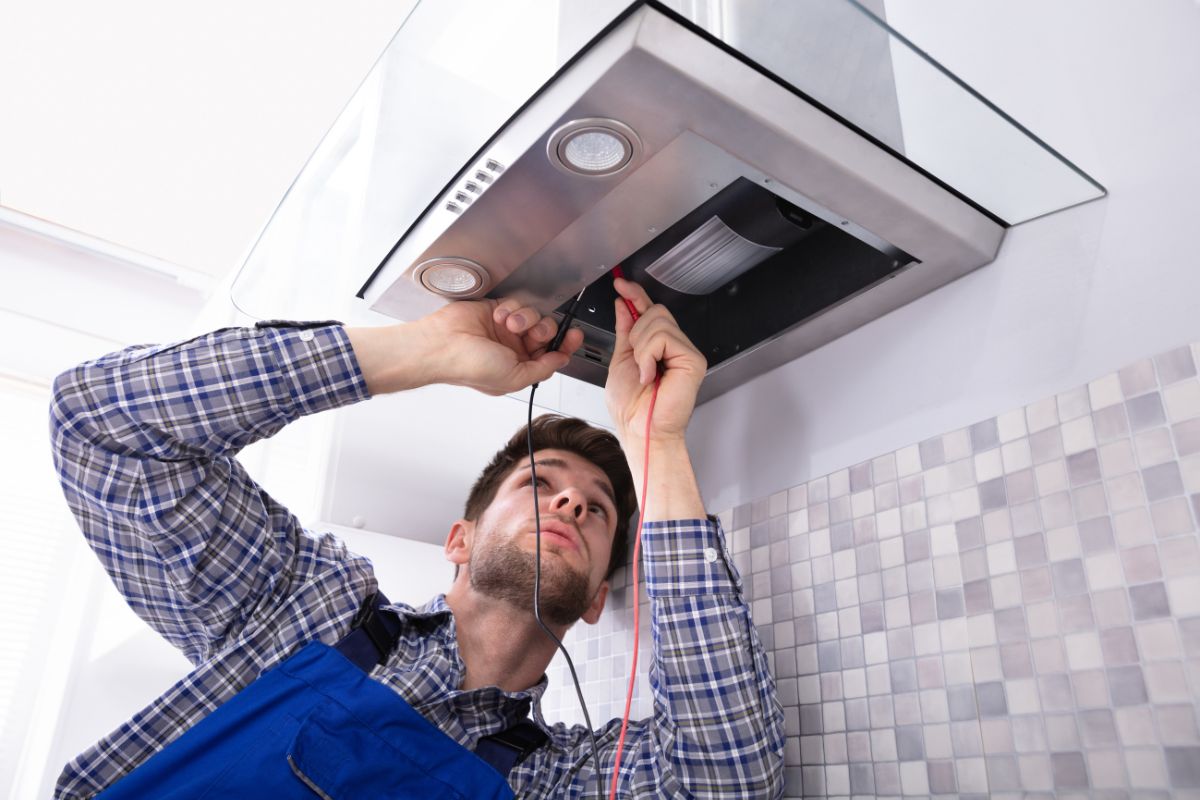
Cleaning the extractor fan and Carbon filters needs different treatment because they’re not washable. Carbon filters are in recirculating extractors that don’t vent outside. They absorb cooking smells instead of venting them out.
You can’t clean carbon filters. They need replacing every three to six months, depending on cooking frequency. It usually costs £10-15 for decent replacement filters.
People try vacuuming them or washing them. Doesn’t work. Activated carbon loses effectiveness once saturated. Save yourself the bother and just buy replacements when needed.
Making This Stick as a Habit
Phone reminders work. On the first Saturday of every month, filters come out. Sink filled with boiling water and a dishwasher tablet. They soak whilst I have breakfast and read the paper. Twenty minutes later, a quick scrub, rinse, dry, and back they go.
The kitchen smells better now. The fan actually works instead of making that awful grinding noise. No more guilt every time I glance up at the cooker hood.
Regular cleaning is easier than massive cleaning. Monthly maintenance takes twenty minutes. Annual cleaning takes two hours and involves a lot of swearing and scrubbing.
When You Need Professional Help
Sometimes filters are beyond home rescue. Inherited a house with neglected extractors? Let them go for years yourself? Might need professionals.
Oven cleaning companies usually do extractor fans too. They’ve got industrial-strength degreasers and know what they’re doing. It costs maybe £30-50 and saves hours of scrubbing and potential injury from over-enthusiastic cleaning.
Also read: How Do High Heat Retention Storage Heaters Work
Wrapping Up
Cleaning extractor fan filters isn’t exciting. It’s greasy work that’s easy to avoid. But it makes a proper difference when done.
The kitchen smells fresher. The extractor works properly instead of making sad wheezing noises. Fire risk drops. Grease stops coating everything.
Do it regularly before it gets bad. That’s the real secret. A monthly twenty-minute job beats an annual nightmare cleaning session every single time.