Something odd has been happening in bathrooms across the UK. Not loudly and not with announcement posts or dramatic “I quit” videos. Just quietly.
Bottles were pushed to the back of the shelves. Half-used acids left untouched. That expensive serum no one remembers buying. And slowly, without much discussion, routines are getting shorter.
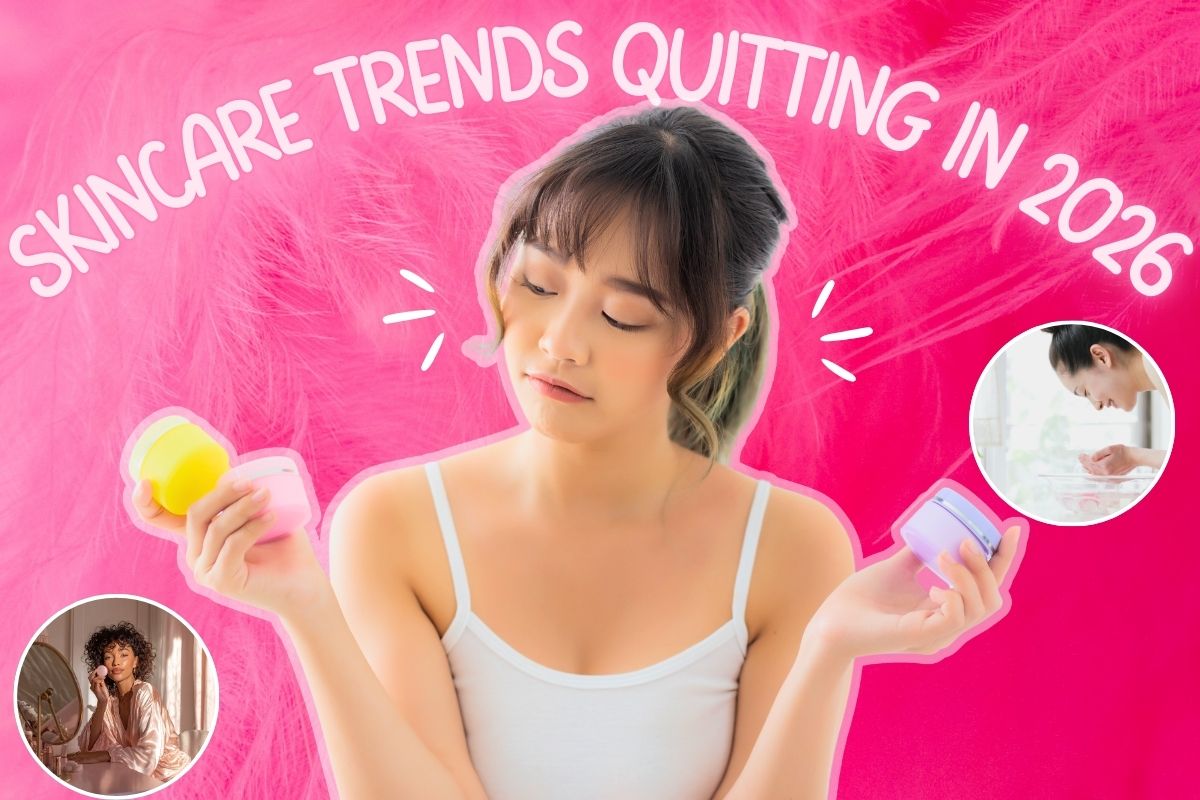
If you look closely, Skincare Trends People Are Quietly Quitting in 2026 aren’t being abandoned because they never worked. Most of them worked for a bit. They just stopped fitting real lives.
People are tired. Skin is tired too.
After years of being told more is better, stronger is smarter, and glowing skin lives at the end of a ten-step routine, something has shifted. The mirror tells a different story now. Redness. Sensitivity. Breakouts that don’t make sense. A feeling that the skin barrier is permanently on edge.
This isn’t about going back to basics out of boredom. It’s about trust. Trusting skin again. Trusting time. Trusting boring consistency over dramatic overnight fixes.
Let’s talk about what’s being quietly dropped, why it stopped working long term, and what’s taking its place as 2026 settles in.
When Daily Exfoliating Stopped Making Sense
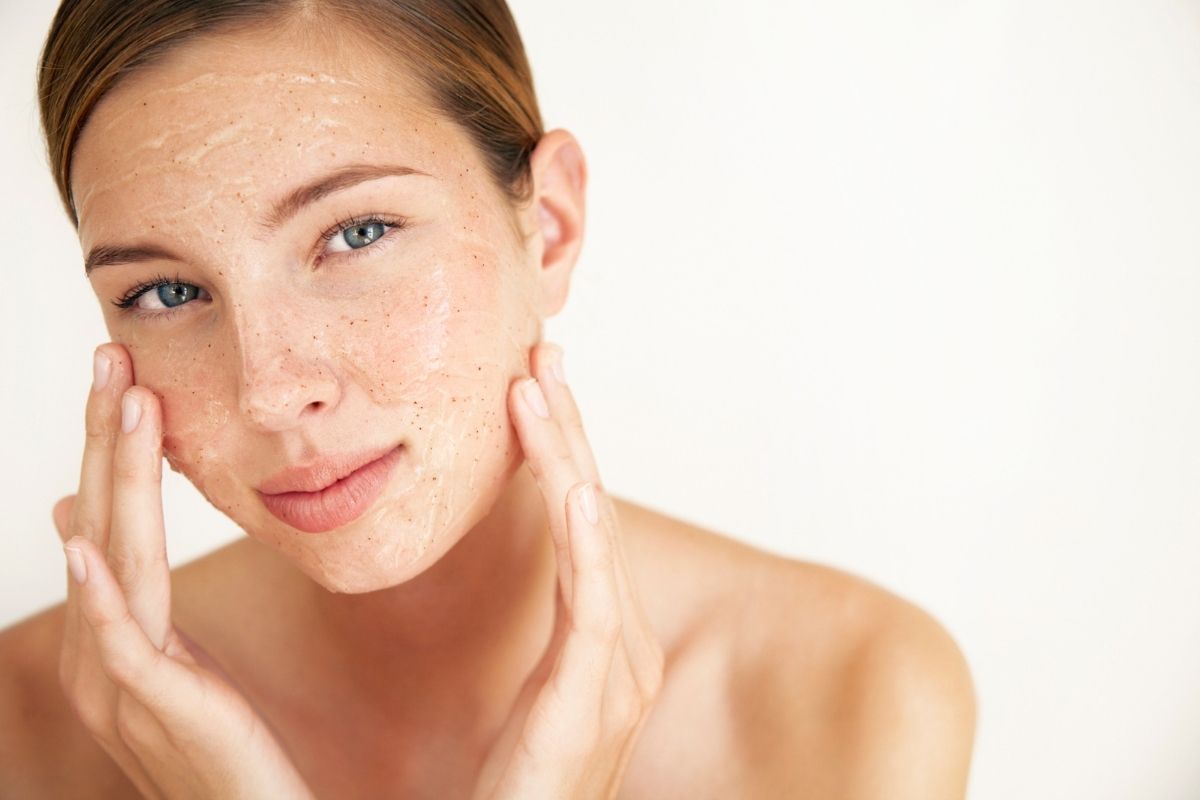
There was a stretch where exfoliating every day felt like good skincare. Acids promised smoother texture, fewer breakouts, and brighter tone. And at first, it worked well enough to keep people going.
Then the problems crept in.
Also read: Sun-Soaked Nail Art Ideas Perfect for Your Next Summer Holiday
Promise vs reality:
The promise was consistent glow and clarity. The reality was weakened skin barriers, sensitivity, and a loop where people exfoliated more to fix irritation caused by exfoliating too often.
The science behind the shift isn’t new. Skin needs recovery time to rebuild its barrier. Daily acids interrupt that repair process, especially when layered with other actives. By late 2025, many people noticed something telling. Their skin looked better on the days they left it alone.
There’s also a behavioural change here. Constant exfoliation created a sense of doing something productive, even when the skin was clearly stressed. Letting go felt wrong at first. Now it feels necessary.
In 2026, restraint has replaced intensity. Exfoliation once or twice a week, sometimes less. Barrier repair is no longer optional. Ceramides, cholesterol, and simple moisturisers have become the foundation. Not impressive. Just reliable.
Also read: Dreaming Up My Celebrity-Style Wedding (With Zero Reality Checks)
When Long Routines Stopped Feeling Worth It
The ten-step routine was never just about skincare. It was about control. The idea that if you layered enough products, you could stay one step ahead of breakouts, ageing, or whatever your skin decided to do next.
That belief held up for a while. Then real life crept in. Long days. Early mornings. Kids. Commutes. The energy just wasn’t there anymore.
Promise vs reality:
The promise was personalised, thoughtful care. The reality was irritation, ingredient clashes, and confusion when something inevitably went wrong.
From a skin perspective, the issue became obvious. Too many actives layered together don’t give skin time to recover. Acids, retinoids, and exfoliants piled on top of each other can weaken the barrier, not strengthen it. Skin stays reactive because it never gets a pause.
There’s a mental shift happening, too. People want routines that fit their lives, not routines that demand discipline twice a day. In 2026, skincare has shrunk down to what actually matters. Cleanser. Moisturiser. Sunscreen. One targeted product, if needed. The aim now is calm, predictable skin, not something that looks great on day three and unravels by day six.
Also read: What Is The Difference Between Micro Blading and Nano Blading: A Real Person’s Experience
The Quiet Drop-Off Of Viral “Hacks”
Every year brings a new batch of viral skincare tricks. Some look harmless. Some feel clever. Some are flat-out risky. Ice facials. Lemon juice. Toothpaste on spots. Most people have tried at least one, usually late at night after scrolling too long.
Promise vs reality:
The promise was quick results without spending money. The reality was irritation, broken skin, and reactions that took far longer to calm than the original problem ever did.
There’s also a mental shift behind why these hacks are fading. People are tired of being sold shortcuts that don’t hold up. When every influencer suddenly swears by the same trick, trust drops. Fast. That kind of hype now reads as noise rather than help.
From a skin-science point of view, the issue is simple. Many of these hacks disrupt the skin barrier. Acidic ingredients like lemon juice strip protective oils. Extreme cold stresses capillaries. Toothpaste dries skin aggressively, triggering rebound irritation. None of it supports long-term skin health.
So in 2026, people are choosing boring consistency over viral drama. Ingredient lists matter again. Professional advice carries more weight than sponsored enthusiasm. Not because it’s exciting, but because it actually works.
Also read: Where Women Look Absolutely Stunning: A Look at Beauty Around the World
Heavy Layering That Never Quite Suited The Climate
Thick creams. Facial oils are sealed under more layers. Slugging every night. This approach was borrowed from colder, drier parts of the world and applied almost wholesale in the UK.
For some people, it worked. For many others, especially in damp or mild conditions, it quietly caused problems.
Promise vs reality:
The promise was long-lasting hydration and stronger skin. The reality was congestion, breakouts, and skin that felt heavy rather than healthy.
There’s a behavioural side to this shift too. People stuck with heavy layering longer than they should have because it felt like an effort. More products meant better care. Letting go felt like giving up. Over time, though, the discomfort outweighed the belief.
Skin science explains the rest. Occlusives trap moisture, but they also trap heat, sweat, and bacteria. In humid climates, this can overload the skin barrier rather than support it. Instead of repairing, the skin stays irritated.
By 2026, more people will understand that location matters. What suits Seoul winters or California dryness doesn’t always translate to Manchester rain or coastal air. Skincare is becoming regional again. And for many, that’s been a relief.
Also read: Why Rolls-Royce Just Handed Off £4.3 Billion In Pension Promises.
Stepping Back From The Habit Of Constant Fixing
There’s a mental side to all of this that’s harder to see but just as important. Skin trend fatigue has built up slowly, then all at once. For years, routines were framed around fixing something. Dark spots. Texture. Pores. Redness. Ageing. There was always a new issue to correct.
That way of thinking wears people down. When every routine starts from the idea that something is wrong, skincare turns into quiet self-criticism. People are stepping away from that now. They don’t want skin that’s permanently under repair. They want skin that works, most days, without drama.
That’s why skincare trends people are quietly quitting in 2026 aren’t being replaced with louder trends. They’re being replaced with patience. Fewer mirror checks. Less poking and prodding. Fewer late-night purchases sparked by one bad skin day.
Money has played its part, too. With costs rising everywhere, people are more selective. Products have to earn their space. A moisturiser that keeps skin calm day after day matters more than a shelf full of half-used bottles that promised something bigger.
What’s emerging instead is a calmer relationship with skin. Less surveillance. Less urgency. More trust that skin doesn’t need constant intervention to be healthy. For many people, that shift has been the most noticeable change of all.
When Guesswork Started Feeling Like A Waste
One of the less obvious changes is how people are choosing products in the first place. Trial and error used to be part of the process. You bought something because it was popular, used it for a few weeks, then moved on when it didn’t quite work.
That approach is wearing thin. Not because technology has all the answers, but because guessing got tiring. And expensive. Skin diagnostics, online consultations, and data-led recommendations are stepping in to cut down the noise.
The appeal isn’t perfection. It’s clarity. Knowing whether your barrier is fragile. Whether your skin reacts to fragrance. Whether seasonal shifts are the real trigger behind flare-ups. That kind of information saves time and frustration.
There’s also a sense of relief in stepping off the trend treadmill. Personalisation is no longer about copying someone else’s routine. It’s about understanding how your own skin behaves and adjusting gently as it changes. Less chasing. More responding.
What’s Settling In As Everything Else Drops Away
As certain habits quietly disappear, a few priorities have stayed put. Barrier repair now sits at the centre of most routines. Not as an extra step, but as the point of the whole thing. If the barrier’s calm, everything else behaves better.
Sunscreen has also shifted status. It’s no longer seen as a holiday product or a summer afterthought. It’s just skincare. The same way as a moisturiser is. Skipping it feels odd now, not virtuous.
Gentle cleansing has found its way back, too. No stripping. No squeaky-clean finishes. Just skin that feels comfortable afterwards. That alone has solved more problems than people expected.
Sustainability has changed shape as well. It’s less about pretty packaging and more about restraint. Buying fewer products. Finishing what you own. Choosing things that work long-term rather than chasing the next release.
And perhaps the biggest change of all is quieter. People are listening to their own skin again. Not every trend. Not every recommendation. Just the signals that show up day after day. For many, that’s been the most useful shift of the lot.
Also read: What Britain Can’t Stop Watching: Top UK TV Shows of 2026
Where Skincare Seems To Be Headed Next
If you step back and look at what’s happening, skincare is getting quieter. Slower. Less interested in impressing anyone. And strangely, that’s where it feels healthiest.
People are starting to understand that skin doesn’t respond well to pressure. You can’t rush it. You can’t outsmart it forever. You look after it, give it what it needs, and let time do its thing. That’s not a step backwards. It’s maturity.
The coming years don’t look flashy. They look steady. More trust in basic science. Less excitement around miracle claims. More respect for consistency and recovery. Skincare is moving from something you perform to something you live with.
If you’ve found your routine getting simpler without you meaning to, that’s not laziness. It’s learning. And if your skin feels calmer because of it, that’s the point.
So maybe the question isn’t what’s coming next. Maybe it’s this. When was the last time your skin felt comfortable, not impressive?
Sources
- Vogue UK – “Skin Treatments Trends 2026” (accessed 12 January 2026).
- Who What Wear – “Skincare Trends 2026” (accessed 12 January 2026).
- British Skin Foundation – “Look After Your Winter Skin” (published 3 January 2023).
- NHS Inform (Scotland) – “Acne” (updated 20 October 2025)
- Glamour UK – “What Does Today’s New Law On Retinol Mean For Your Beauty Products?” (published 1 November 2025)
- Exponent (Regulatory explainer) – “Navigating NeAnnexeex III Restrictions On Vitamin A In Cosmetics” (published 24 June 2025).
- Wiley Online Library – “Ceramides And Skin Health: New Insights” (2025 paper page)
- Wiley Online Library – “The Role Of Ceramides In Skin Barrier Function…” (2024 paper page).