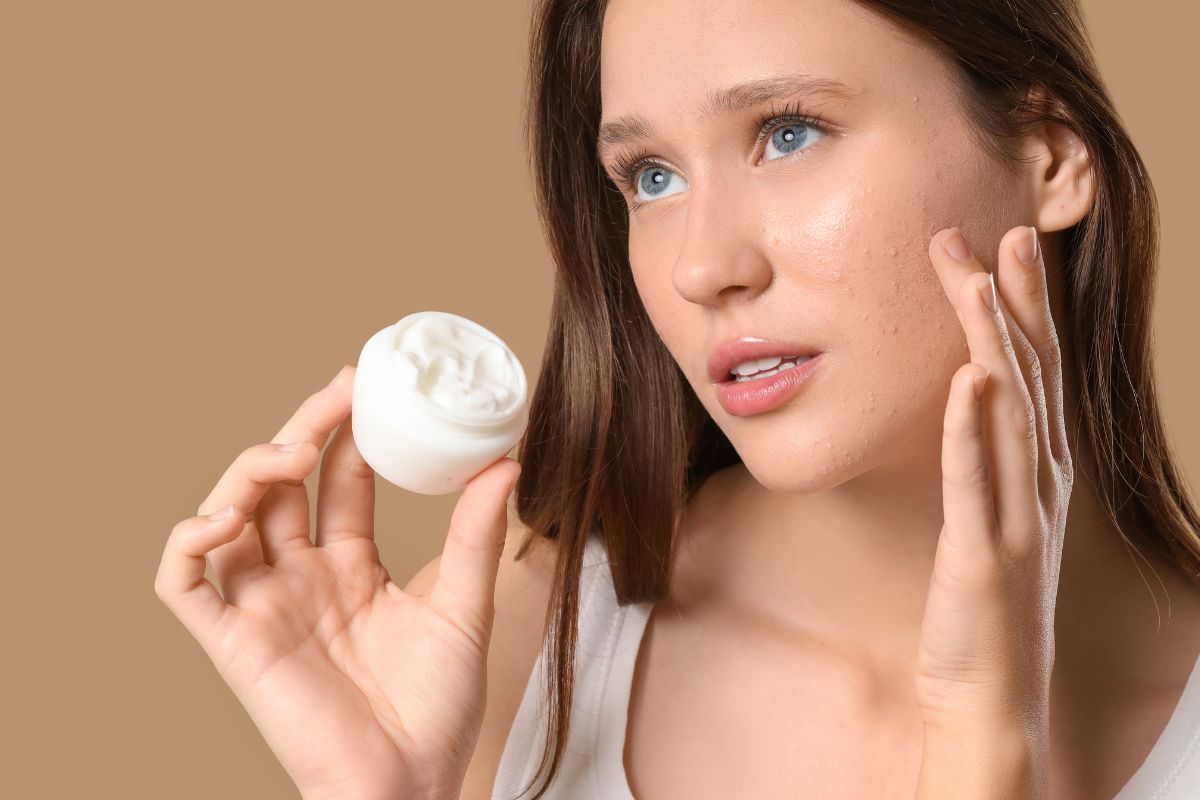
Look, the old-school “scorched earth” policy for spots is officially dead. For years, the standard British response to a breakout was to strip the skin with harsh toners and skip the cream entirely. The logic seemed sound: oil is the enemy, so why add more? But it’s April 2026, and we now know that skipping a moisturiser for pimple-prone skin is probably the biggest mistake you’re making. It sends your sebaceous glands into a literal panic response. When your skin feels dry, your body compensates by producing even more thick, sticky oil. It’s a disaster. You get this greasy film on your skin that holds onto bacteria, and you can develop those deep, painful cystic bumps.
This isn’t about dehydrating your face to the point that it cracks like a drought-ridden riverbed. It’s about “barrier repair”. Recent clinical insights, such as those highlighted in the 2025 BIA (Barrier Inflammation) Study, suggest that skin barrier decline is actually a primary driver of inflammation. When the skin barrier is compromised, well, that’s like having a hole in your garden fence — all of the good moisture gets out, and all those nasty irritants get in. When your skin is really hydrated, it can properly desquamate (the natural shedding of dead cells). Without enough water? Those cells get sticky. They lump up, get into your pores, and start the entire inflammation process again. It’s about being clever with your chemistry, not ruthless with your scrubbing.
- Hydrate: Dehydrated skin produces excess oil that leads to more spots.
- Ingredients Matter: Seek PGAs, niacinamides, and ceramides; avoid heavy oils and alcohols.
- Texture Is Everything: Go for a water-gel or light lotion instead of a thick, occlusive cream.
- Barrier Support: A healthy skin barrier actively fights the bacteria that lead to inflammation.
- Give It Time: The benefits of a new hydration regimen take about a month to materialise.
The Science of the 2026 “London Texture”
One thing people often confuse is the difference between oil and water. Your skin can be oozing oil while still being as parched as the Sahara underneath. In short, dehydration means not having enough water. This is where a lightweight moisturiser for pimple-prone skin comes in handy, keeping the surface calm. Recent studies highlight that controlling transepidermal water loss (TEWL) seems to be the ultimate key to lessening the severity of such acne lesions. Basically, calm, hydrated skin doesn’t react as defensively as stressed-out, thirsty skin.
Also read: Sun-Soaked Nail Art Ideas Perfect for Your Next Summer Holiday
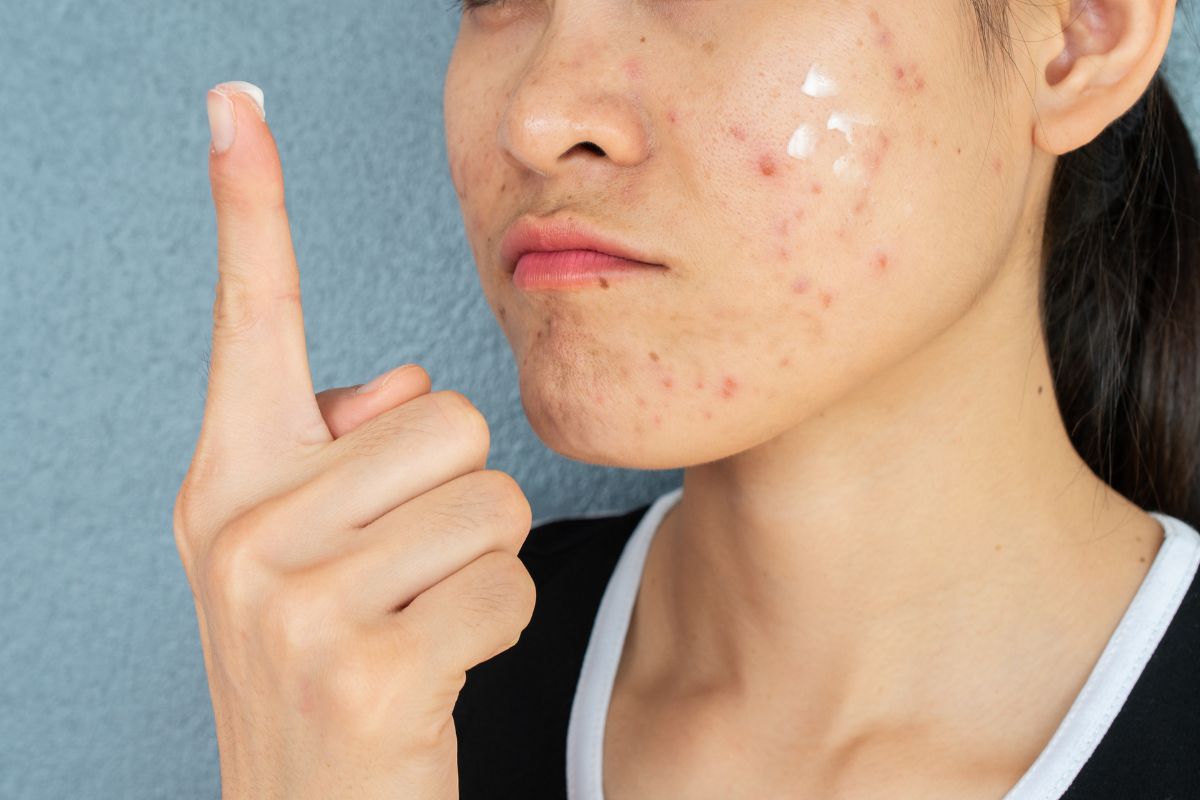
The trend of the year is so-called climate-specific textures. In the U.K., particularly with the humidity and pollution in city areas like London or Manchester, you do not want a heavy, buttery cream. Those are occlusives — they sit on your face like plastic wrap and cause what’s called “pomade acne”.
Instead, we’re seeing a shift toward water gels and jelly creams. These are feather-light. They vanish in seconds but leave a cooling sensation that’s a godsend for “angry,” inflamed spots. They hydrate the “water” side of your skin without touching the “oil” side.
Also read: Yoga for Weight Loss in 2026: The Styles That Actually Burn Fat
Key Ingredients: What’s Actually Working Right Now?
Forget the fancy marketing. You need to be a bit of a “label detective” here. It’s not about the brand; it’s about the active molecules inside. Here is what’s trending in 2026:
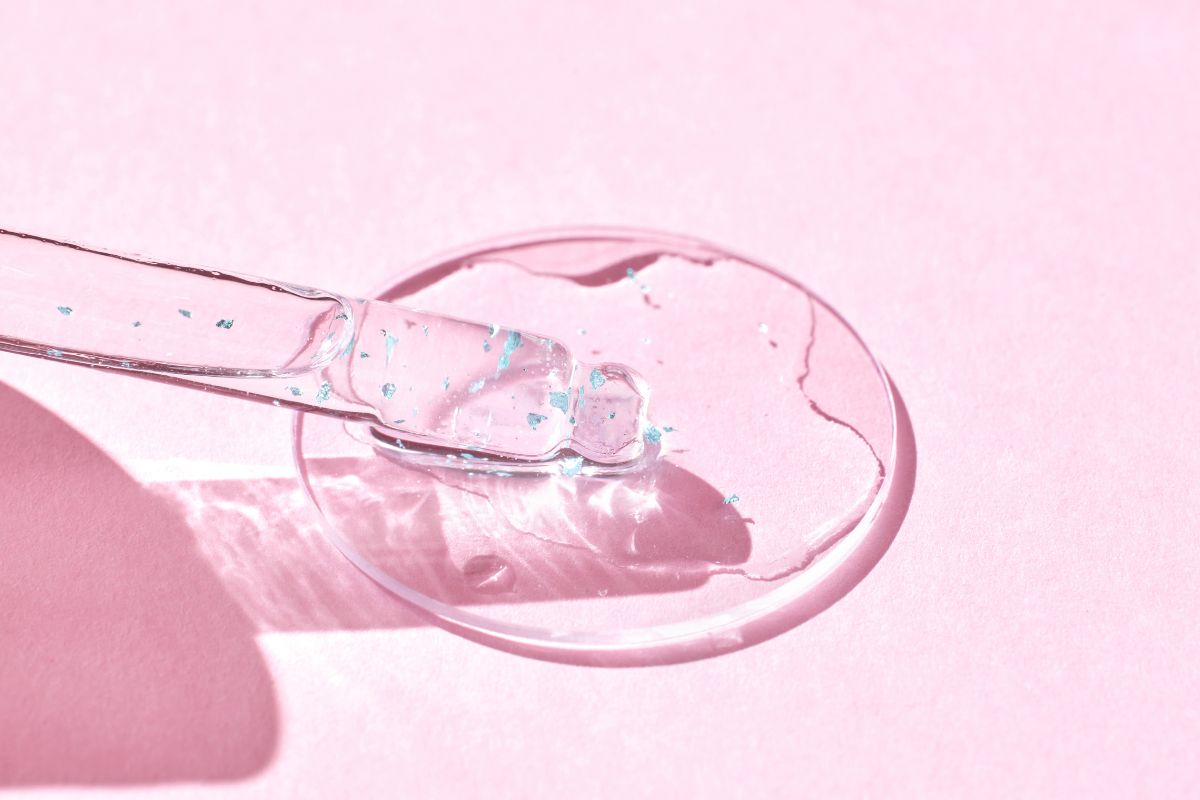
- Polyglutamic Acid (PGA): This is the current “it” ingredient across the UK. It holds about ten times more moisture than hyaluronic acid. It creates this breathable, silk-like film that locks water in without a hint of grease.
- Hypochlorous Acid: While it used to be just a spray, it’s now being put into light lotions. It’s naturally antimicrobial. It neutralises the bacteria that cause spots without the stinging or peeling you get from traditional “acne” creams.
- Niacinamide (Vitamin B3): Still the gold standard. It regulates your oil production and calms down that “post-spot” redness that lingers for weeks.
- Ceramides: Think of these as the mortar between the bricks of your skin cells. Even oily skin lacks these, leading to a “leaky” barrier.
- Pre and Postbiotics: We’ve finally realised our face is a tiny ecosystem. These ingredients feed the “good” bacteria so they can outcompete the “bad” ones that cause breakouts.
Honestly, steer clear of things like coconut oil or cocoa butter. They’re “comedogenic”—a fancy way of saying they’ll block your pores before you’ve even finished the bottle. And watch out for denatured alcohol. It makes products feel weightless and “matte” at first, but it eventually dries you out and makes your skin grumpy.
Also read: Spiritual Awakening or Nervous System Overload? The Risks of Kundalini Yoga
Managing the Skin Microbiome
There is so much chatter this year about the microbiome. Essentially, your face is covered in billions of bacteria. When we use those nuclear-strength, “squeaky clean” washes and skip the moisturiser for pimple-prone skin, we kill off the good guys. Modern 2026 strategies focus on harmony. By providing a healthy, hydrated environment, your skin becomes better at defending itself.
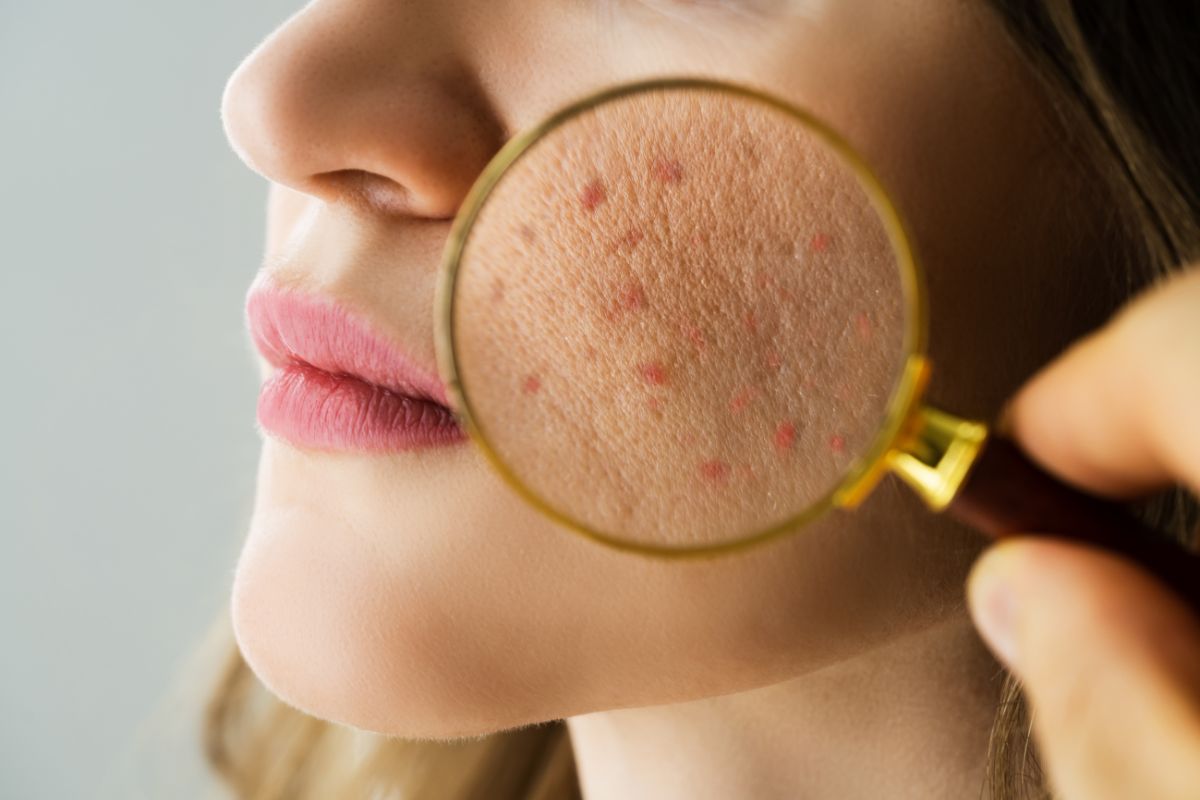
Many people find their skin clears up significantly when they swap the aggressive scrubs for a simple, soothing gel-cream. It’s about respecting biology. As noted by The Independent’s skincare guides, this “barrier-first” approach is the biggest shift in British beauty in a decade. It works because it stops fighting the skin and starts helping it.
Also read: The Skincare Habits People Are Letting Go Of Without Making a Fuss
Common Hydration Blunders to Stop Making
Putting your cream on bone-dry skin is a classic mistake. For glycerin or PGA to perform effectively, the body must have a little moisture. It enables them to “grab” that additional water and suck it in. If your face is completely dry, they might actually draw moisture from your skin if the room is dry. Not what you want.
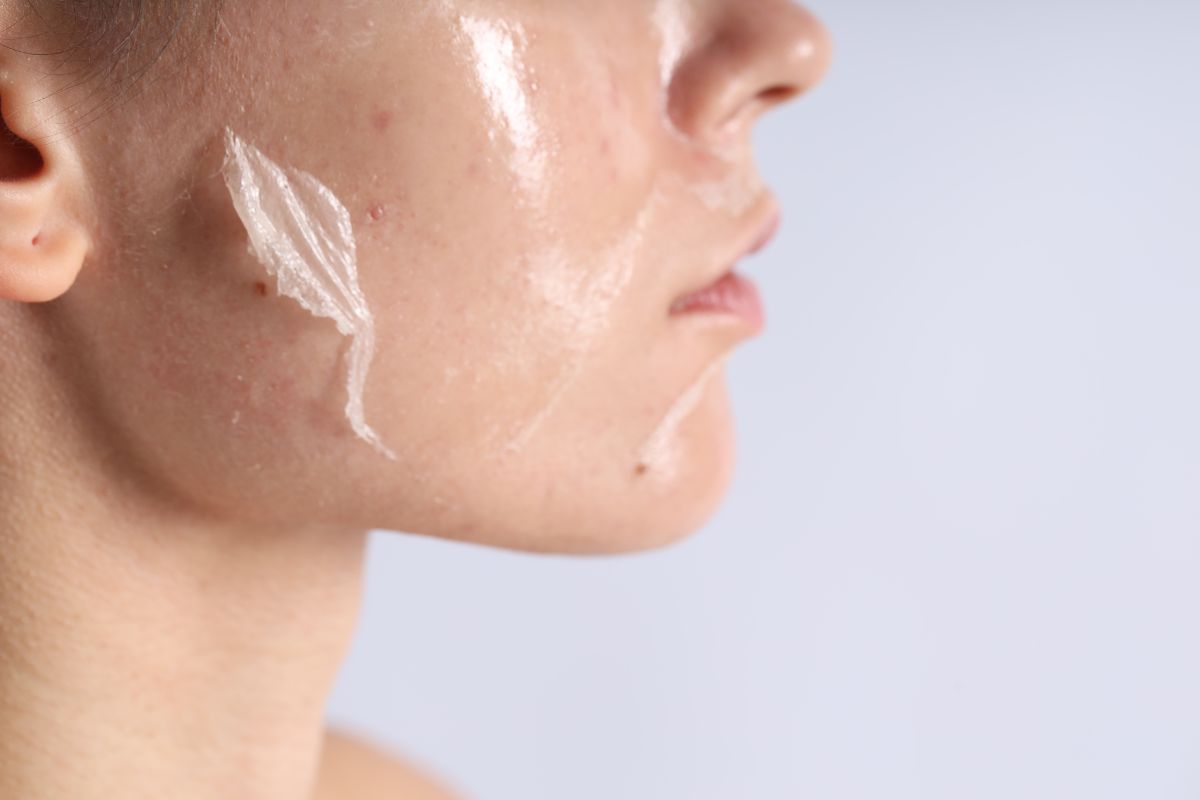
Another one? Using too much. A small pea-sized amount is enough for a reactive T-zone. Putting on more of it won’t make it work faster; it just increases the chance that it’ll pill. And listen, you’ve got to give yourself time. Your skin approximately regenerates itself every 28 days. You can’t use a new jelly cream for three nights and bin it because a spot appeared. Commit to it for a whole month. That’s when you actually see the barrier become stronger.
Also read: Stop Skipping Leg Day – Your Chicken Legs Are Showing
Frequently Asked Questions (FAQ)
Does oily skin really need moisturiser?
Yes. Oily skin can be dehydrated (lacking water). When it becomes too dry, it creates more oil in order to protect itself, resulting in a flurry of pimples. Usually, the safest bet is a light, water-based gel.
What does “non-comedogenic” actually mean?
This means that the product has been created and tested to ensure no pore-clogging ingredients are contained within. Still, everyone’s skin is different, so it’s still good to check for individual triggers.
Should I moisturise even if I have active breakouts?
Definitely. The active spots are a marker of inflammation. A gentle, no-fragrance moisturiser helps quell that inflammation and supports the skin’s ability to heal the spot quickly without leaving a dark mark.
Is hyaluronic acid good for pimples?
Hyaluronic acid is great at hydration because it doesn’t add oil. But it’s best used alongside other ingredients, such as niacinamide, to help with the underlying triggers of the breakouts.
How often should I apply moisturiser?
Twice a day is the standard. Once in the morning to defend against your environment (and often layered underneath SPF), and once at night to aid the skin’s natural repair process while you sleep.
Closing Thoughts
The shift toward a gentler approach is such a relief. We’ve all spent a fortune on stuff that promised the world and just gave us red, raw skin. With a good-quality moisturiser for pimple-prone skin, you’re going from “plugging a hole” to tending to a living organ. Usually, the simplest routines yield the best results. Keep it clean and take care of that barrier.
Honestly, your skin looks so much better on nights it isn’t being bombarded with 10 per cent benzoyl peroxide. The right bit of moisture goes a long way in making your complexion look healthy, rather than “plastic” and tight.
Anyway, the next time you notice a breakout, reach for the soothing gel instead of the rough scrub. Your face will appreciate it.
Sources and References
- British Association of Dermatologists: Acne Management Guidelines – Technical advice on maintaining skin health while treating breakouts.
- NCT06750653: Skin Barrier Function and Inflammation inAgeingg (The BIA Study) – 2025/2026 research into the link between barrier health and inflammatory markers.
- The Independent: Best Moisturisers for Acne-Prone Skin 2026 – Expert-reviewed guide on the latest non-comedogenic formulations.
- Women’s Health UK: Decoding Skincare Ingredients – Analysis of how specific actives like niacinamide interact with oily skin types.
- Evening Standard: The Rise of Polyglutamic Acid – Reporting on the shift toward lightweight humectants in the UK market.
- PMC: Comprehensive Review of Acne Treatments 2026 – Discussion of antimicrobial breakthroughs like hypochlorous acid.
Disclaimer: This article is for informational purposes only and is not a substitute for professional medical or dermatological advice. Skincare products and ingredients affect individuals differently. If you have persistent acne, severe skin irritation, allergies, or an underlying skin condition, consult a qualified dermatologist or healthcare professional before starting a new skincare routine.