It starts the same way for loads of people now.
You wake up. The phone goes on. Your thumb moves before your brain’s even fully awake. And within two minutes, you’ve seen a stranger’s perfect kitchen, a screaming argument about politics, a fitness reel that makes your body feel “wrong”, and a breaking news clip that turns out to be three years old. Lovely. The tea hasn’t even hit the mug yet.
Then there’s the bit nobody talks about because it sounds dramatic, even though it isn’t. You don’t just feel informed or entertained. You feel… wrung out. Like you’ve done an hour of emotional labour before you’ve brushed your teeth.
That’s the heart of it. The real reason people are leaving social media in 2026 isn’t “people got busy” or “a new app came along”. It’s that the experience has become exhausting in a very specific way. Not time draining. Feeling drained. There’s a difference.
Yes, usage is shifting. Some research suggests daily time on social platforms has dropped to around 1 hour and 37 minutes in the UK, down from a couple of years back, which fits with what you hear in everyday chat too. But the bigger change isn’t the clock. It’s the mood.
And once you notice it, you can’t unsee it. Not that word. You know what I mean.
Why Scrolling Feels Different Than Streaming
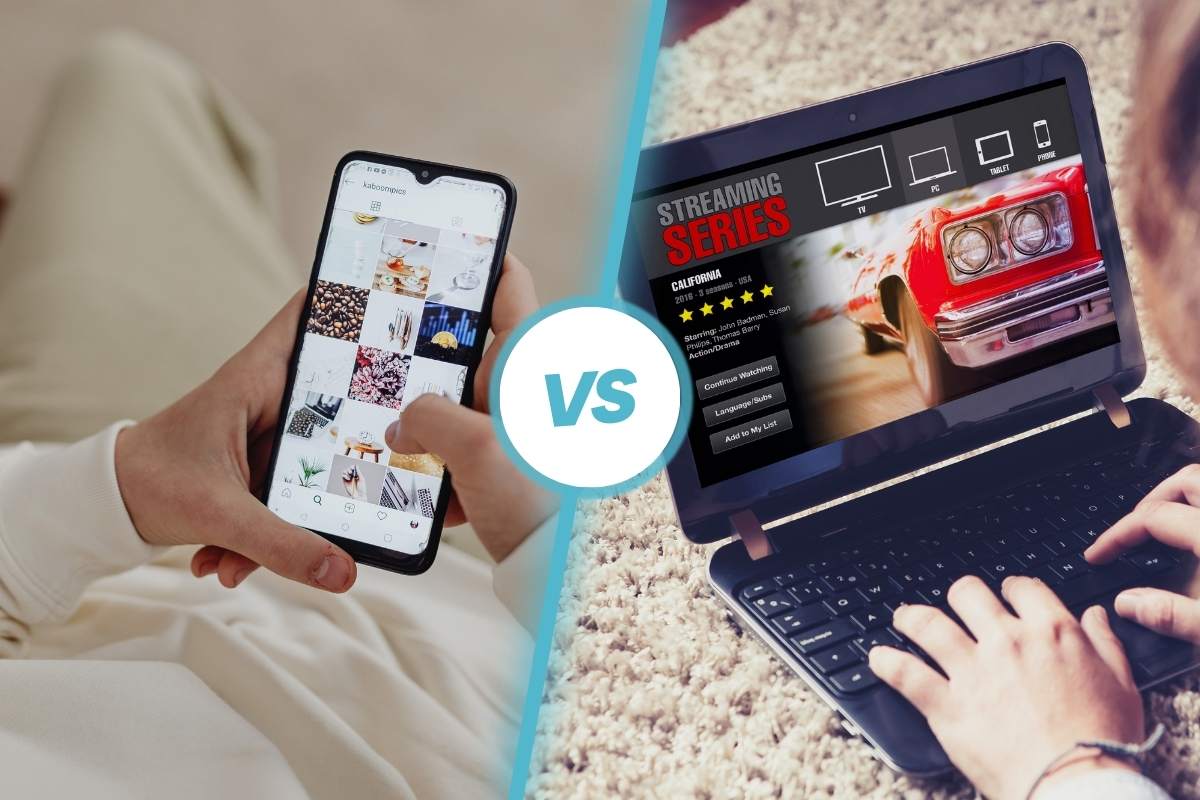
People can spend two hours watching a box set and feel fine. They can spend 15 minutes scrolling and feel oddly rattled. That’s what’s pushing the shift.
Scrolling doesn’t just show you things. It hands you tiny little judgements all day long. Who’s winning? Who’s failing? Who’s hot? Who’s angry? Who’s getting praised? Who’s getting piled on?
And you can be a perfectly sensible adult and still catch yourself thinking, Why does everyone else look like they’ve got it sorted? That’s not a weakness. It’s the design.
There’s also the constant low-grade performance pressure. Even if you never post, you still feel like you’re being watched. Like you’re meant to react. Like silence means you’re missing something.
So people step back. Not in a big “delete my account” way, but more like a quiet exit. It’s a gradual process.
Also read: The Renters’ Rights Act is Law—But When Does It Actually Change Your Life?
Why Even the ‘Nice’ Posts Are Making Us Smaller
Here’s a scene you might recognise.
Someone you know posts a smiling photo from a weekend trip. Comments roll in. “Living your best life.” “So jealous.” “You deserve it.” Meanwhile, you’re in your kitchen, in yesterday’s hoodie, staring at a fridge that needs cleaning, thinking about work on Monday. And you feel… smaller. For no good reason.
That’s the trap. Social feeds turn life into a scoreboard. Even the nice posts can sting, because they’re all highlight and no context. Nobody uploads the awkward argument in the car or the bank balance after booking the hotel. Fair enough. But your brain still does the comparison.
The really sneaky part is this: you start curating yourself in your head even when you aren’t posting. You do something and think, That would’ve made a good photo. Or, I can’t share this because it looks sad. That’s not a connection. That’s self-editing.
No wonder people are knackered.
Also read: A Look at Easter Traditions That Are Slowly Dying in 2026
Why the ‘Global Village’ Became a Crowded High Street
The old promise of social media was that it would help you find people. Your people. The ones who get you.
In 2026, a lot of feeds feel like a crowded high street on a Saturday, with someone shouting in your ear while another person tries to sell you a miracle product. Every second is “content”. Every topic becomes an argument. Every joke gets repeated until it’s dead.
And there’s a measurable shift in trust, too. Ofcom’s work on news consumption has shown how big social platforms are as news sources, but it also tracks attitudes and the growing sense that online spaces aren’t exactly making society healthier.
Here’s the line that keeps coming up in conversations: people aren’t leaving because there’s nothing to see. They’re leaving because there’s too much to feel.
Outrage, panic, envy, guilt, secondhand embarrassment, then a sponsored post for teeth whitening. It’s like emotional whiplash.
Also read: Market Shift: Decoding the Tesla UK Sales Slump
Why Disappearing is the Ultimate Flex
A few years ago, privacy talk sounded a bit “tin foil hat” to some people. Now it’s just dinner table chat.
People understand, in a simple human way, that their clicks add up to a profile. They know their posts hang around. They’ve seen old screenshots resurface. They’ve watched someone get dragged for a joke made years ago. They’ve had that moment of regret after posting something too personal at 11 pm.
So they clamp down. They stop sharing the location. They stop tagging the kids. They stop giving away little details that can be stitched together.
It’s not paranoia. It’s basic self-protection.

Why the ‘Dead Internet’ Feel is Breaking Trust
This one’s hard to describe until you feel it.
You open an app,p and the feed looks busy, but it doesn’t feel alive. Comments read like copy-paste. Profiles look too polished. Videos feel mass-produced. And you start to wonder if you’re even talking to actual people.
There’s been plenty of discussion in the last couple of years about how much traffic online comes from automated systems and the wider issue of synthetic content filling feeds. Even if you don’t know the exact percentage, the vibe is obvious. You sense it in your gut.
When people suspect they’re scrolling past bots or AI-generated filler, the social part of social media collapses. You can’t build trust on a stage full of cardboard cutouts.
Also read: The Skincare Habits People Are Letting Go Of Without Making a Fuss
Why the Future of Connection is Behind Closed Doors
Most people aren’t trying to become monks with flip phones. They still want laughs. They still want friends. They still want community.
They just don’t want it in public, under a spotlight, with strangers chiming in.
So the energy moves to private spaces. WhatsApp groups. Signal chats. Discord servers. Tiny communities where people actually know each other. Voice notes. Messy, honest conversations. Photos shared without thinking about “engagement”, Fewer followers. Better friendships.
This shift is real enough that institutions are making choices too. In early January 2026, reports described major organisations leaving X after controversy arouAI-generatedted image manipulation and safeguarding concerns. When charities and committees decide a platform isn’t safe or useful anymore, it sends a message to everyone else.
And look, people notice. If the adults in the room are walking out, why would anyone else hang around?
The Rise of the ‘Functional’ Social Media User
This bit matters because it explains why your mates say they “hate social media” while still technically having accounts. Many people aren’t deleting. They’re disengaging.
They post less. They stop arguing in comments. They stop reacting to everything. They stop caring whether a photo gets noticed. They keep the account because it’s tied to messages, events, memories, or work. But they aren’t emotionally living there anymore.
Social media becomes a tool, not a home.
And for many people, that’s the healthier relationship. Not always. But often.
Also read: Who Is Laila Cunningham?
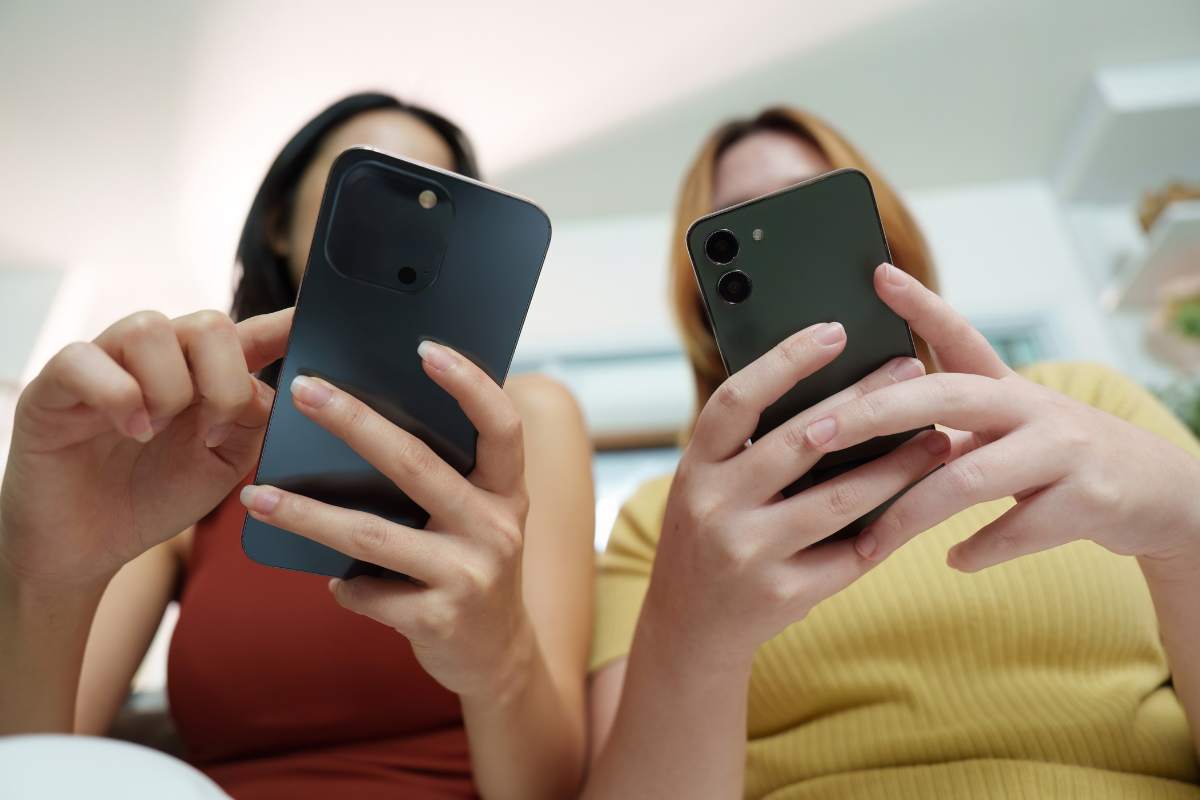
Reclaiming Life in the Age of Public Silence
So is this good for society? Maybe. Maybe not. It depends on how it plays out.
On the plus side, fewer ppublic performancescan mean less anxiety and less comparison. Moreprivate connectionsn can mean stronger friendships. And stepping away from constant outrage can make people calmer, which isn’t a small thing.
On the other hand, if public spaces get emptier, the loudest voices can dominate even more. People who still post constantly can shape the mood, the narratives, and the “truth”, especially around news and politics. Ofcom’s reporting shows just how many adults still get news via online sources and social platforms. So what happens when trust drops but usage stays mixed? That’s a real question.
The most realistic outcome is probably a split. Public platforms become more about discovery and broadcasting, while real relationships move elsewhere.
Which brings us back to that phrase again. The real reason people are leaving social media in 2026 is that they want their attention back. Their mois od back. Their life back.
Quick FAQs
Are people really quitting social media in 2026, or just saying they are?
Both. Plenty of people keep accounts but use them far less than they used to.
Is it mostly young people leaving?
Young people discuss burnout loudly, but you’ll hear the same complaints from parents, teachers, and office workers, too.
Is privacy the main reason?
For some, yes. For many, it’s part of a bigger mix: fatigue, distrust, and the sense of being watched.
Are people replacing social apps with anything?
Usually, in private groups, messaging apps, and smaller communities are where the pressure to perform drops.
Will this Trend Stick?
Hard to say. But once someone gets used to feeling calmer, they don’t rush back to chaos.
And if you’re reading this with your phone in your hand, be honest. Are you here for connection, or are you just filling a quiet minute because silence feels a bit weird now?
Also read: What Britain Can’t Stop Watching Top UK TV Shows of 2026
Sources & Research References
Average UK Daily Usage (2025/26): UK adults now spend an average of 1 hour and 48 minutes per day on social media, representing an 11% decline in year-on-year usage as of late 2025.— Sprout Social: UK Social Media Demographics 2026
The “Slow Fade” Data: Search data indicates that over 2 million people per month are actively seeking to delete or deactivate major social accounts, with Instagram leading as the primary source of digital burnout.– Medium/Genuin: The Great Social Media Breakup in 2026
The News Trust Gap: While 70% of UK adults consume news via online sources (now on par with TV), only 35% to 52% (depending on age) trust social media as a reliable news source compared to 82% for TV.– Ofcom News Consumption Survey 2025
Online Nation 2025 Report: Ofcom reports that 90% of UK online adults now use WhatsApp, reflecting the massive shift toward private, encrypted messaging over public posting.– Ofcom: Online Nation Report 2025
Institutional Exodus: In January 2026, major UK organisations, including the RSPB, Women’s Aid, Refuge, and the Royal College of Surgeons, announced their departure from platform X (formerly Twitter). The move followed safeguarding concerns regarding AI-generated “Grok” images and non-consensual content.– Civil Society: Major Charities Leave X After AI Controversy (16 Jan 2026)
The Bot Majority: Recent infrastructure reports indicate that 51% of global internet traffic is now generated by bots, surpassing human activity for the first time in history.– Imperva/Galaxy: Dead Internet Theory & The Collapse of Online Truth