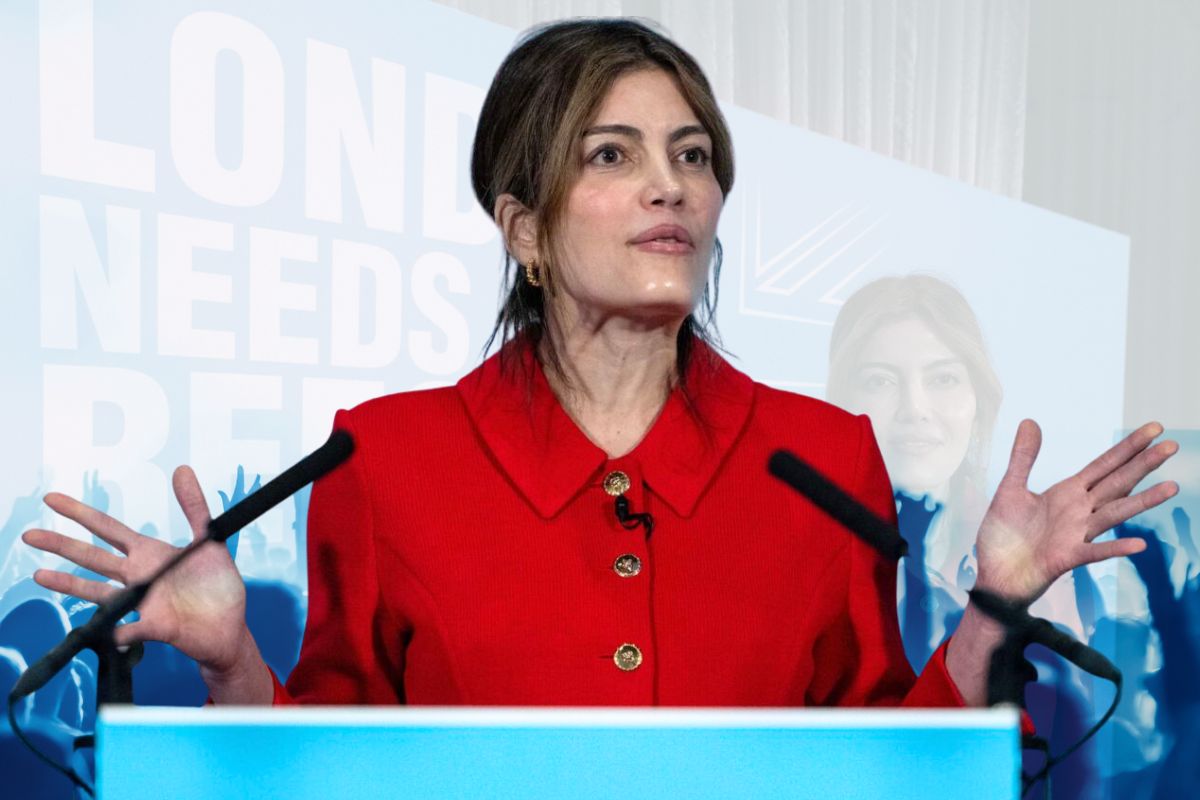
Some political figures take years to register with the wider public. Others become noticeable much faster. Laila Cunningham falls into the second group.
Over the past year, her name has appeared more often across UK political coverage. She is a former Crown Prosecution Service lawyer, a Westminster councillor, and the founder of a small business. She is now standing as the Reform UK candidate for London mayor. Coverage of her has varied. Some see her as unusually direct. Others think her tone is too sharp.
That mix of reactions is why people have started asking who Laila Cunningham is and where she came from.
A Career That Started in Courtrooms, Not Campaign Rooms
Before politics, Cunningham worked as a Crown Prosecution Service lawyer. That matters more than it sounds.
The CPS isn’t about theory. It’s about files stacked too high, victims waiting too long, and decisions that don’t feel abstract when you’re sitting across from real people. Cunningham has spoken about that period as formative. Not inspiring. Formative.
She saw repeat patterns. Cases are collapsing late. Communities are losing faith in outcomes. Systems designed to protect people, creaking under their own weight.

That experience shows up later in how she talks about crime. She doesn’t speak in generalities. She talks about time, follow-through, and consequences. You don’t have to agree with her to recognise the source.
She’s arguing from memory, not messaging.
Also read: What Britain Can’t Stop Watching Top UK TV Shows of 2026
Why She Built a Business Instead of Joining a Think Tank
After leaving the CPS, Cunningham didn’t drift into consultancy or party policy units. She started something practical.
She founded Kitchin Table, a business designed to support home-based food entrepreneurs, many of them women trying to turn skills into income without falling foul of regulation.
It tackled the boring stuff. Licensing. Compliance. Payment systems. Visibility. The kind of hurdles that quietly stop small businesses before they ever start.
Kitchin Table wasn’t loud. It didn’t chase headlines. But it gave Cunningham firsthand experience of how regulation actually feels when you’re on the receiving end.
The business launched in 2017 but never grew beyond a small operation. It faced ongoing difficulties and was eventually closed in 2024. The pandemic made things worse, particularly for a model that depended on people meeting inside private homes.
That perspective later fed into her views on planning, business support, and what she calls policy drag. Not ideology. Drag.

Local Politics and the Limits of Party Comfort
Cunningham entered elected politics as a Westminster councillor. Local government has a way of cutting through theory.
Residents don’t care about national rows when bins don’t get collected or housing repairs stall. Councillors get shouted at in supermarkets. They learn fast what matters.
During that period, Cunningham began expressing frustration with party processes. She was aligned with the Conservatives at the time but said later that the internal debate felt constrained, especially around crime and governance.
That tension didn’t explode overnight. It built. And eventually, it broke.
Also read: Who Is Behati Prinsloo, Really? More Than Just Adam Levine’s Wife
Leaving the Conservatives and Joining Reform UK
Her move to Reform UK wasn’t subtle. She said she left because she felt the Conservatives had softened on issues she believed demanded clarity. Law and order. Accountability. London governance. She argued that Reform offered space to speak plainly without constant internal trimming.
Critics called it opportunistic. Supporters said it was overdue honesty.
Both reactions were predictable.
What wasn’t predictable was how much attention the switch would draw. Cunningham became a regular interview subject almost overnight. Not because she was repeating party lines, but because she wasn’t.
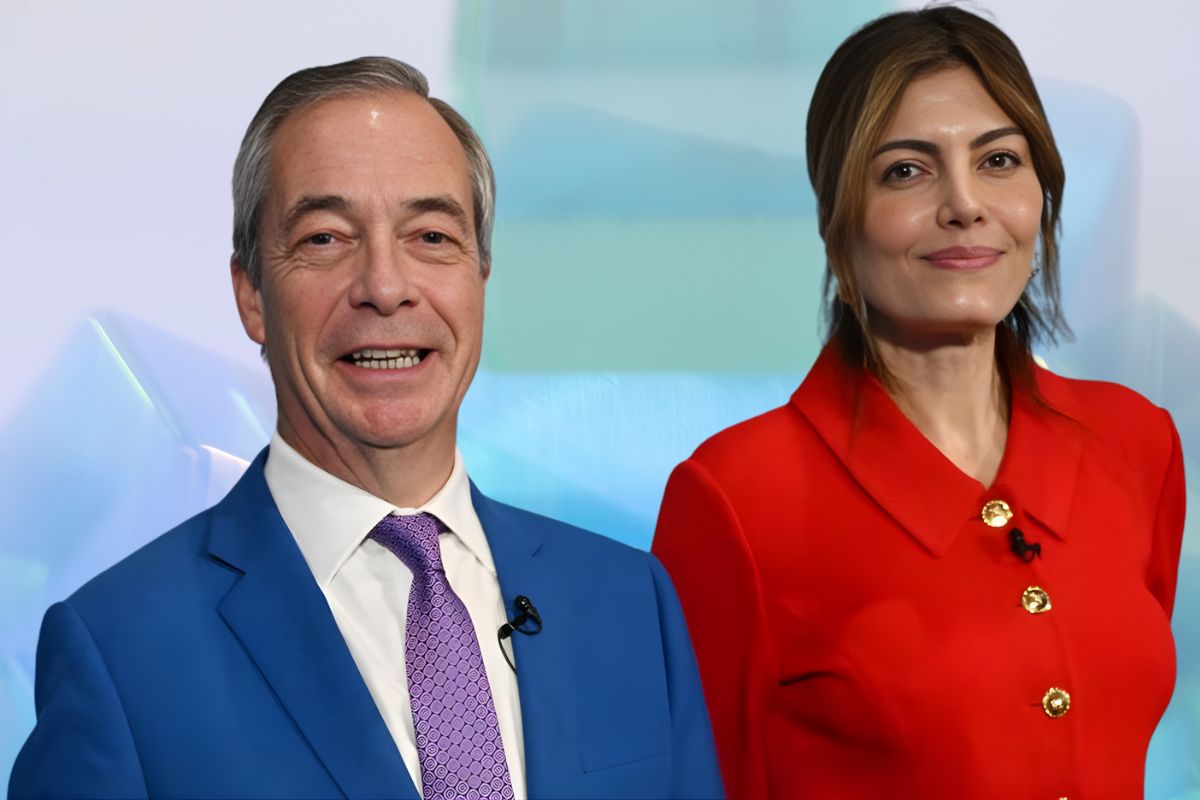
Why She’s Running for London Mayor
In early 2026, Cunningham confirmed she would stand as Reform UK’s candidate for London mayor.
It’s a bold move. London mayoral races favour familiarity. Party machines. Long lead times. She has none of that.
Her pitch centres on crime, policing visibility, housing supply, and what she describes as a loss of grip at City Hall. She’s been sharply critical of what she sees as managed decline across parts of the capital.
That language drew fire. Some outlets accused her of talking London down. She responded by saying ignoring problems doesn’t make them disappear.
Either way, the conversation shifted.
What She Actually Says on Policy
Strip away the noise, and a pattern appears.
- On crime, Cunningham argues that deterrence has weakened, and public confidence has slipped. She supports more visible policing and faster case handling.
- On housing, she focuses on planning delays and supply constraints rather than headline targets.
- On London governance, she talks about complexity anthe d diffusion of responsibility. She argues that there are too many bodies involved in London governance. Not enough accountability.
Her arguments tend to be procedural rather than ideological. Fix the mechanism. Then argue about values.
That approach comes from her earlier careers, not political theatre.
Media Reaction and Public Response
Coverage has been split straight down the middle. Some outlets focus on her background and frame her as an outsider with practical experience. Others challenge her tone and political alignment.
Online reaction mirrors that divide. She has supporters who welcome bluntness and critics who see risk in it.
What’s clear is that she isn’t being ignored. For a mayoral candidate outside the usual orbit, that alone is significant.
Also read: Dreaming Up My Celebrity-Style Wedding (With Zero Reality Checks)
Personal Background, Kept in Proportion
Cunningham has never made her private life part of her political pitch, but some details are already public.
She was previously married to a French national, Philippe Dupuy. That marriage ended years ago, after her husband left and later moved to Dubai, where he began a relationship with another woman. She has children from that marriage and has spoken briefly about that period as demanding, particularly while balancing work and parenting.
In the same year that Kitchin Table was set up, Cunningham married her second husband, Michael Cunningham, an American businessman. She added another child to her family at that point, while also taking on Michael’s two children from a previous relationship. The family now lives in Bayswater, close to Hyde Park, in a flat valued at around £5 million.
She hasn’t shared names or private specifics beyond what has appeared in reporting. These details exist as context, not campaign material. She doesn’t reference them in speeches or interviews unless directly asked.
That restraint is consistent with how she handles most things.
Recent Developments and What Comes Next
As of January 2026, Cunningham continues a steady round of interviews linked to her mayoral bid. Her messaging has sharpened rather than expanded. Crime. Policing. Governance. London’s direction.
Expect scrutiny to intensify. Expect sharper criticism. And expect supporters to grow louder as well.
Whether she wins or not, she’s already changed the tone of the race. She’s forced uncomfortable conversations earlier than planned.
Also read: Why Rolls-Royce Just Handed Off £4.3 Billion In Pension Promises (And What It Means For You)
So, Who Is Laila Cunningham?
She’s a former prosecutor shaped by what she saw fail. A business founder who learned how systems block people quietly. A councillor who was tired of internal caution. And now a mayoral candidate is testing how much plain speech London will tolerate.
You don’t have to like her politics to recognise the pattern.
This isn’t a flash appearance. It’s the result of years of moving through systems, noticing where they jam, and deciding to say it out loud.
The real question isn’t who she is. It’s how London responds when someone stops smoothing the edges.
Sources
- BBC News: “Who is Laila Cunningham? Reform UK’s London mayor candidate”, 8 January 2026
- The Guardian “Reform UK London mayor candidate Laila Cunningham accused of talking down the capital”, 7 January 2026
- The Telegraph “Laila Cunningham interview: Reform’s London mayor candidate on crime, housing and why she left the Conservatives”, 9 January 2026
- Evening Standard “Who is Laila Cunningham? Reform UK’s London mayor candidate explaind,”, January 2026
- Daily Mail “Mother-of-seven Reform mayor hopeful whose French husband left her for a woman in Dubai”, January 2026