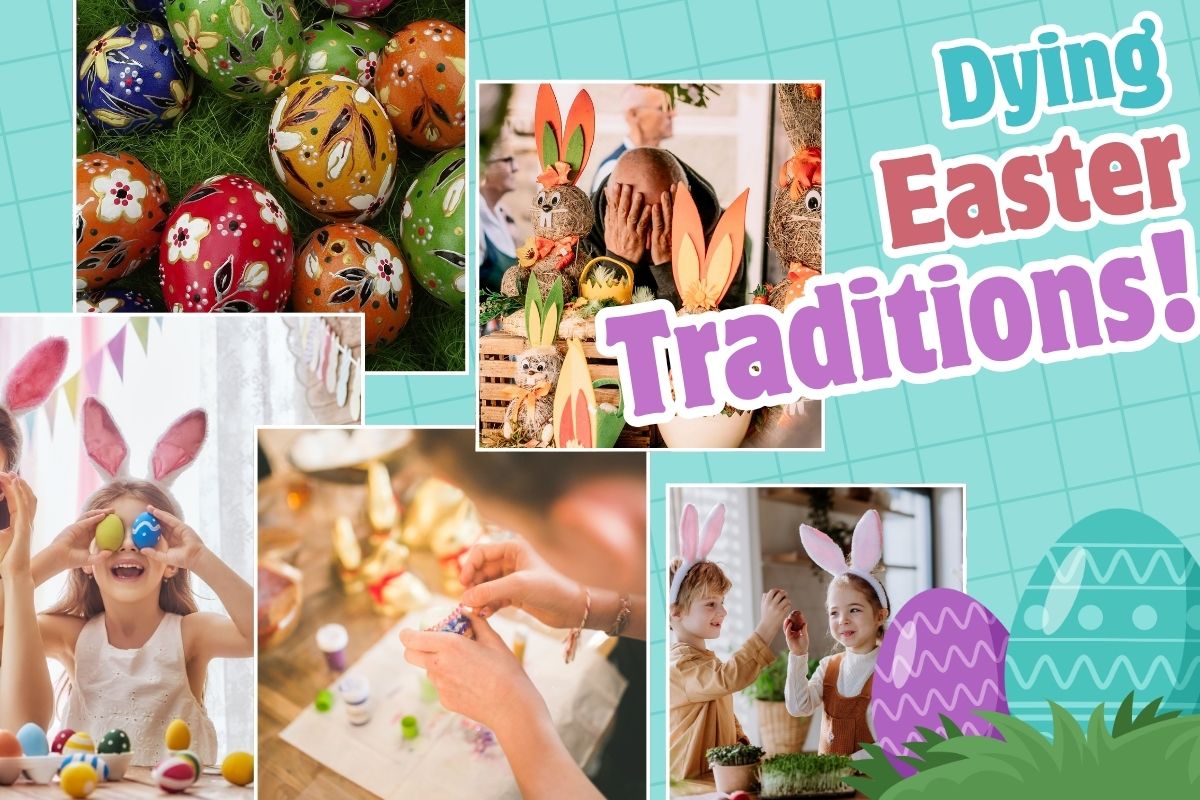
Easter in 2026 is something of an arm wrestle between fast-lane digital life and the quiet manual rituals of yore. Supermarket shelves are now stuffed with £90 luxury ostrich eggs and strange savoury chocolate hybrids, but the idiosyncratic, community-led customs that once characterised a British Easter are falling into the “heritage” bracket. Fast. The attention has tilted much more to mass travel and commercial gifting. Actually, new reports from the RAC and The Guardian announced that there will be well over 21 million road journeys planned for this week alone.
Such an approach does not leave much room for the slow, often tedious Easter traditions that are slowly dying in 2026. This simplification of the holiday comes at the price of “slow” traditions, such as hand-dyeing eggs with onion skins or staging village plays, which are being eclipsed by convenience. Whether it’s the cost-of-living crisis or simply a lack of spare time, Britain’s way of celebrating is becoming more uniform and much less regional. It’s all a bit “copy-paste” now, isn’t it?
Quick Answer: What is Fading in 2026?
- Pace Egging: Northern “mystery plays” are becoming rare museum pieces.
- Natural Dyeing: Boiling eggs with beetroot or gorse flowers is now a niche craft.
- Easter Bonnets: The “fashion peak” of the Sunday service has largely vanished.
- Egg Rolling: Spontaneous local hill races are being replaced by organised ticketed events.
- Lenten Discipline: Fasting has shifted from religious observance to “wellness resets”.
The Silence of the Pace Eggers
Once a boisterous staple of Northern England, specifically in Lancashire and Yorkshire, Pace Egging involves mummers performing traditional plays in exchange for eggs or small change. These plays, featuring characters like St George and the Bold Slasher, were once as common as a modern-day pantomime.
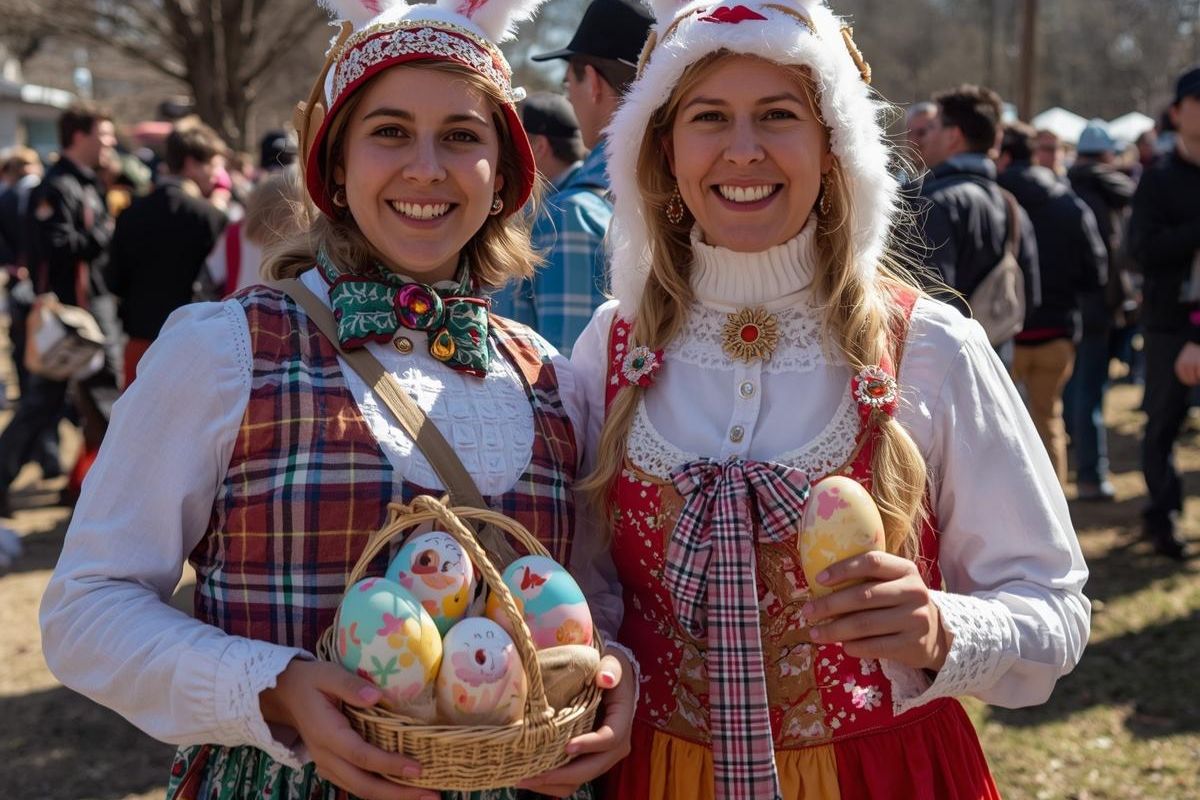
By April 2026, the reality is quite different. While dedicated troupes in Heptonstall and Preston still keep the flame flickering, the practice has almost entirely vanished from the wider public consciousness. Most youngsters today would not recognise the theatrical “hero vs. villain” fights that once filled the streets. The shift is clear: “gifting” has replaced the old custom of “earning” the egg through a public performance. It is a loss of community theatre that once knit villages together.
Also read: Yoga for Weight Loss in 2026: The Styles That Actually Burn Fat
From Onion Skins to Artisan Chocolate
Before the Victorian era brought in the luxury of chocolate, families spent the week before Easter preparing “real” eggs. This involved boiling hen or duck eggs with natural dyes. Red onion skins created a deep gold, beetroot turned shells pink, and gorse flowers provided a bright yellow.
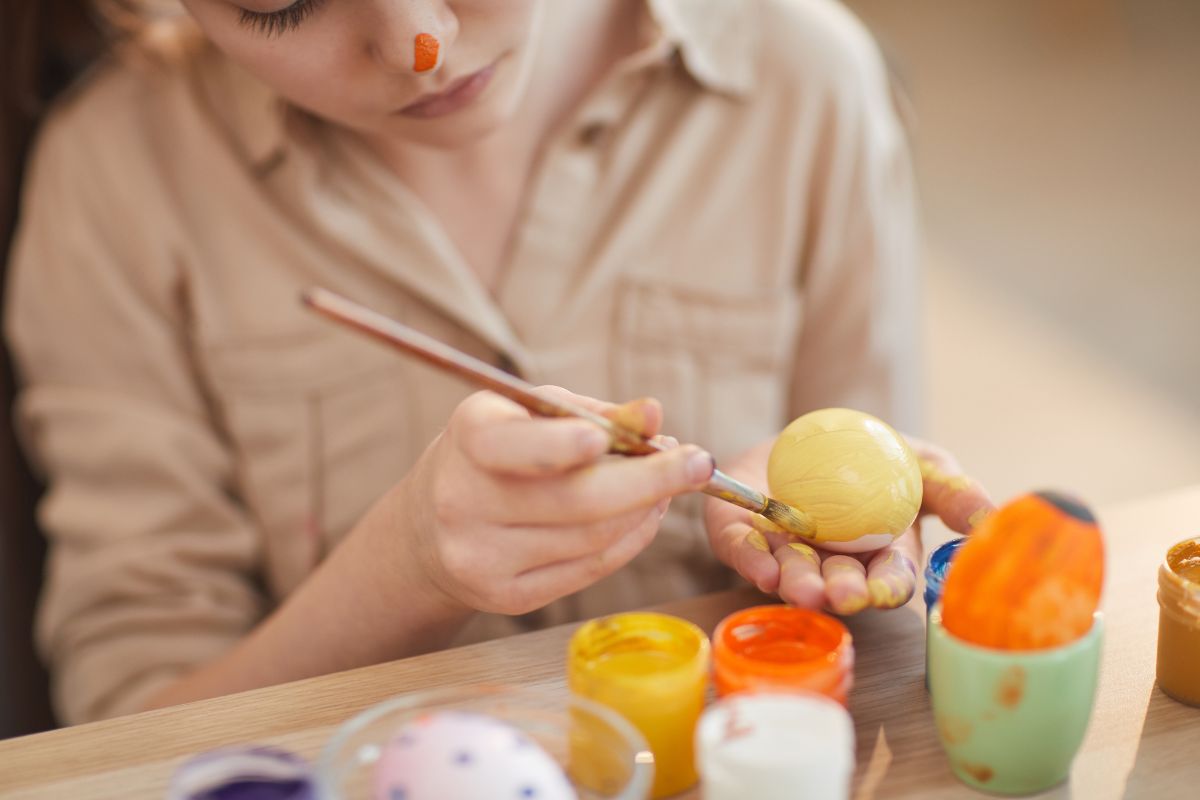
A recent look into consumer habits by OnePulse highlights that only a tiny fraction of UK households bother with this “messy” craft today. The convenience of pre-packaged chocolate has turned a half-day family activity into a five-second supermarket transaction. The specific “wax-resist” technique, where patterns are drawn in wax before boiling to leave white designs on a dyed shell, is now almost exclusively found in specialist museum workshops rather than around the kitchen table.
The Steep Decline of the Easter Bonnet
Decades ago, Easter Sunday was the undisputed fashion peak of the spring. Making elaborate hats decorated with ribbons, primroses, and tiny yellow chicks was a mandatory activity for schools and churches across the country. It was a day to “show off” new clothes and handmade finery.
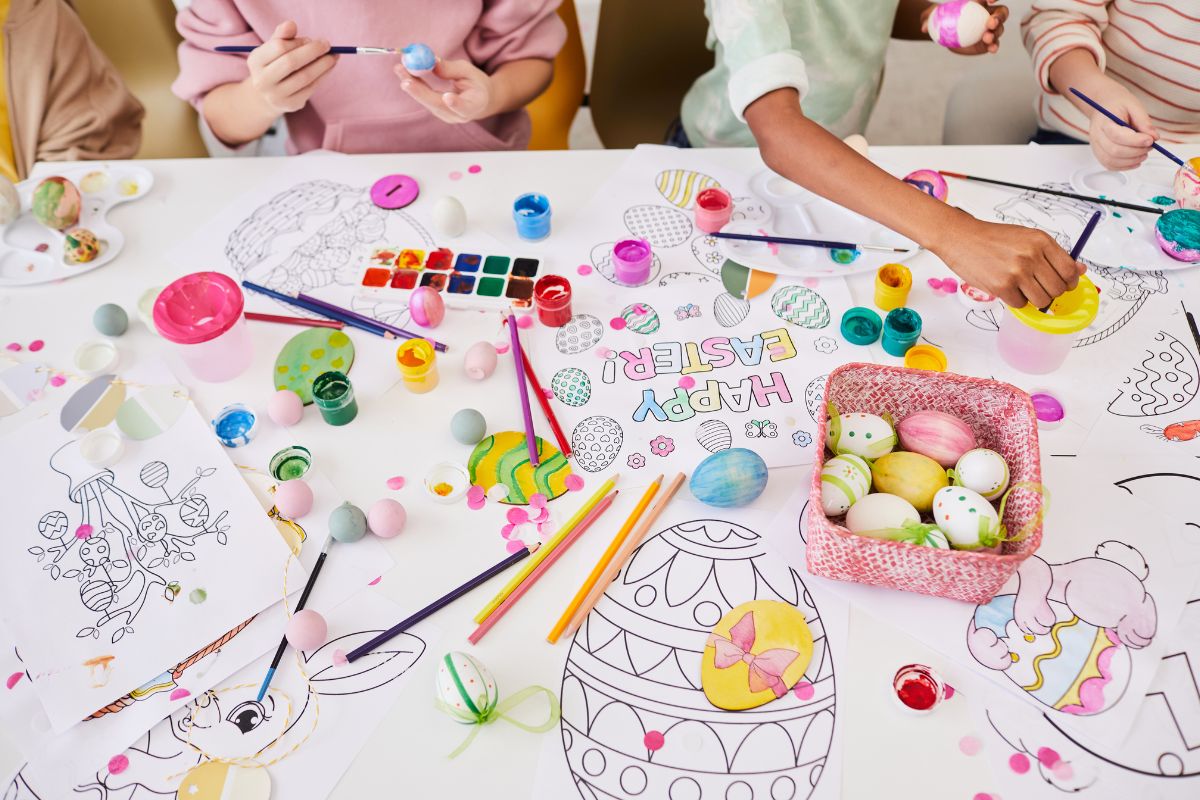
Unless you happen to be in a very traditional village or a primary school with a vintage-leaning curriculum, the Easter Bonnet has largely disappeared in 2026. The “dress-up” culture of the holiday has been overtaken by the casual nature of the four-day Bank Holiday weekend.
Most people now spend Easter Sunday in leisurewear or travel gear rather than a formal hat. According to English Heritage, the original meaning of wearing new clothes to signify spiritual renewal has been lost to the era of “athleisure” and fast fashion.
Is Egg Rolling Still a Thing?
Egg rolling involves racing hard-boiled eggs down a steep hill to see whose can travel the furthest without cracking. This was historically a symbol of the rolling away of the stone from the tomb. Major organised events, such as the famous roll at Avenham Park in Preston, still draw thousands.
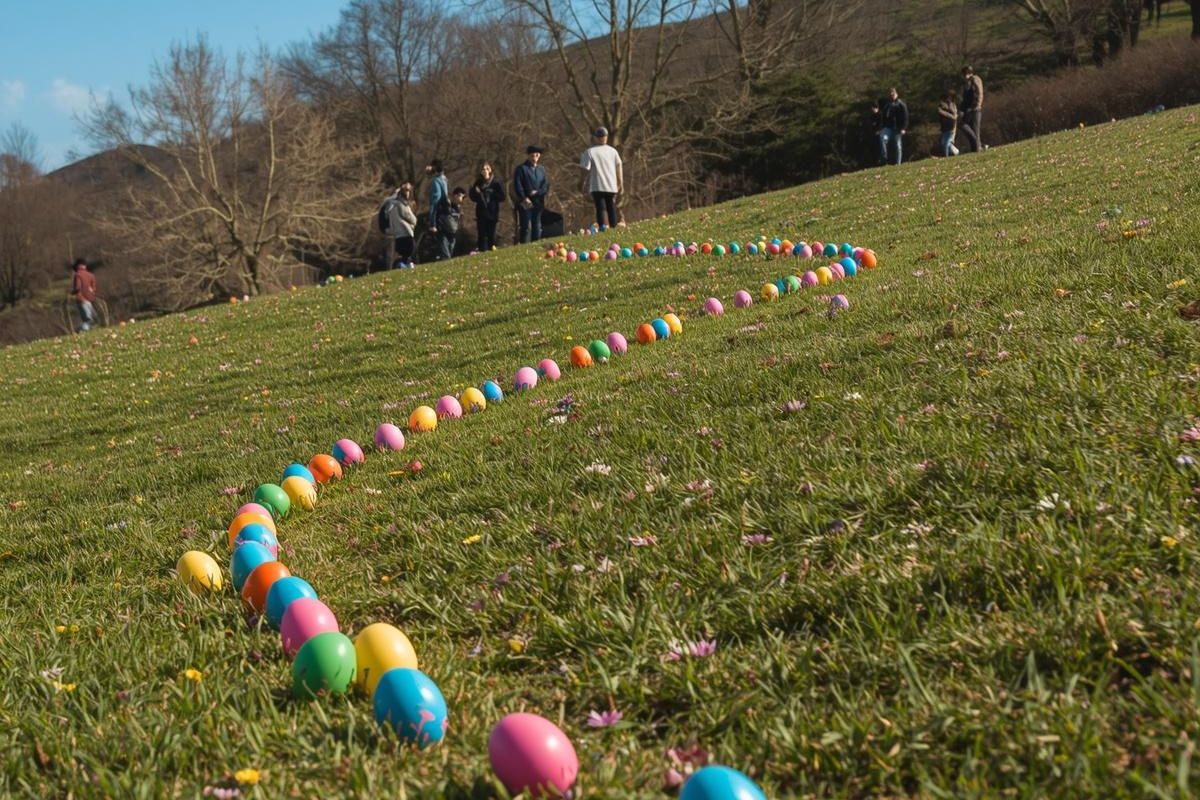
However, the spontaneous “hill rolls” in local parks are among the Easter Traditions That Are Slowly Dying in 2026. Interestingly, those who do still attempt it are increasingly switching to chocolate eggs. This usually ends in a sticky, melted mess rather than a proper race. Data from the University of Brighton suggests that while international students often seek out these “curious” British quirks, local interest in the manual, “non-digital” side of the holiday is dipping.
Also read: Sorting Your New Year’s Eve Party Without Breaking the Bank or Your Back
The Modern “Wellness” Version of Lent
The explosive nature of the Easter Sunday feast in times past was due to the traditional ban on dairy and eggs for the 40 days of Lent. It was an honest release after weeks of hardcore abstinence. In 2026, when many are still “giving something up” (typically social media, drinks or chocolate), the motivation has shifted. The religious practice has been mostly wiped clean and replaced with a “personal wellness reset”.

People are more motivated to participate for the health benefits or a “digital detox” than for theological reasons. As a result, the “big reveal” of the Easter feast is less a reward for sacrifice and more like any other Sunday roast. According to the UCL International Blog, for many people Easter is now merely “the chocolate holiday” that arrives at the end of a long period of fasting.
2026 Easter Trend Comparison
| Category | Traditional Habit | 2026 Reality |
| Travel | Local church and family walks | 21m car journeys (RAC data) |
| Gifting | Hand-painted hen eggs | £90 luxury Ostrich eggs |
| Activity | Village mystery plays | Binge-watching streaming series |
| Food | Simnel cake and roast lamb | Savoury eggs and crisp hybrids |
| Atmosphere | Formal Sunday Best | Casual Bank Holiday loungewear |
FAQ
Why were eggs dyed with onion skins?
It was a cheap, natural way to celebrate spring. Before artificial dyes and mass-produced chocolate, people used what they had in the pantry to make the holiday feel special.
What is a Simnel cake?
It is a fruit cake with two layers of marzipan (one in the middle and one on top), decorated with 11 marzipan balls representing the apostles (minus Judas). While still sold, it is being outsold by chocolate-based desserts.
Where can I see a Pace Egg play in 2026?
Your best bet is Heptonstall in West Yorkshire. They perform on Good Friday, and it is one of the few places where the tradition feels authentic rather than a re-enactment.
Is egg rolling safe for the environment?
Using hard-boiled hen eggs is perfectly fine as birds often eat the remains. However, rolling plastic or foil-wrapped chocolate eggs is discouraged in local parks due to littering concerns.
The Bottom Line
2026 is not “cancelling” Easter, but it is certainly streamlining it for a faster world. The mess of onion-skin dyes and the effort of community plays are being swapped for high-speed motorway dashes and artisan chocolate bought with a single click. If you want to experience the “real” thing, your best bet is to head to Preston or the hills of Yorkshire this Monday. Just do not expect to find many people wearing a bonnet on the way.
The question remains: when a tradition becomes too much “work” for a busy society, does it lose its value, or does it become even more precious? Perhaps this year is the time to boil an egg with some onion skins and see for yourself.
Sources and References
- The Guardian / RAC: Easter 2026: Record 21 Million Car Journeys Predicted on UK Roads – Detailed data on the shift toward mass travel over local traditions.
- English Heritage: The History of the Easter Egg: Why do we eat them? – A deep dive into the origin of dyeing real eggs and the move toward chocolate.
- University of Brighton: Egging on Tradition: The History of Easter Egg Rolling – Insights into why manual racing traditions like Avenham Park are becoming a rarity.
- UCL International: A Modern Guide to UK Easter Traditions and Cultural Shifts – Analysis of how “wellness resets” are replacing traditional Lenten abstinence.
- OnePulse: 2026 UK Consumer Habit Survey – Data regarding the decline of handmade Easter crafts in favour of supermarket convenience.