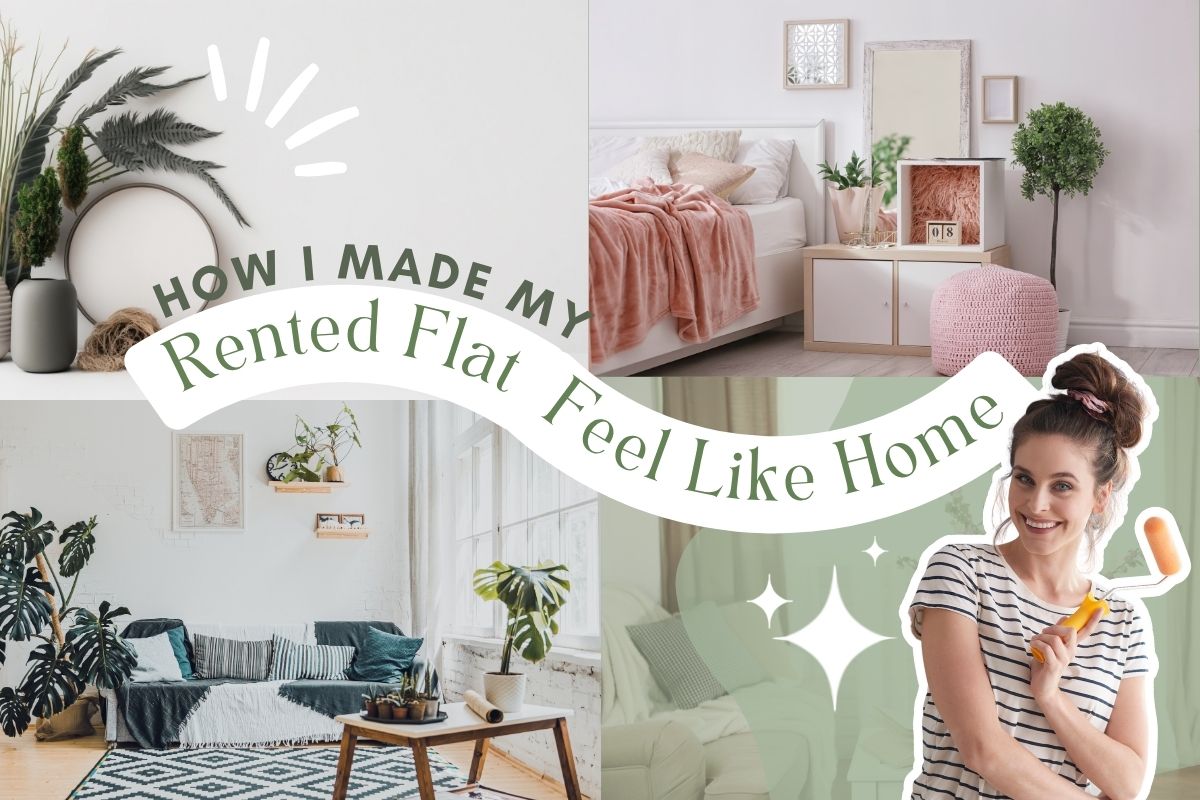
When I first entered the new flat I had rented, I noticed that the walls were bare. The paint was off-white, the floors were cold, and the kitchen smelled of detergent. A rented flat might not feel like your own because, well, it isn’t. But if you’re going to be in one place more than a few months, it does begin to matter how the space feels at the end of a day.
I decided to make this rented accommodation my own, and that without spending a lot or going for a full makeover. Just some warmth, a few small touches, and a little care here and there made all the difference.
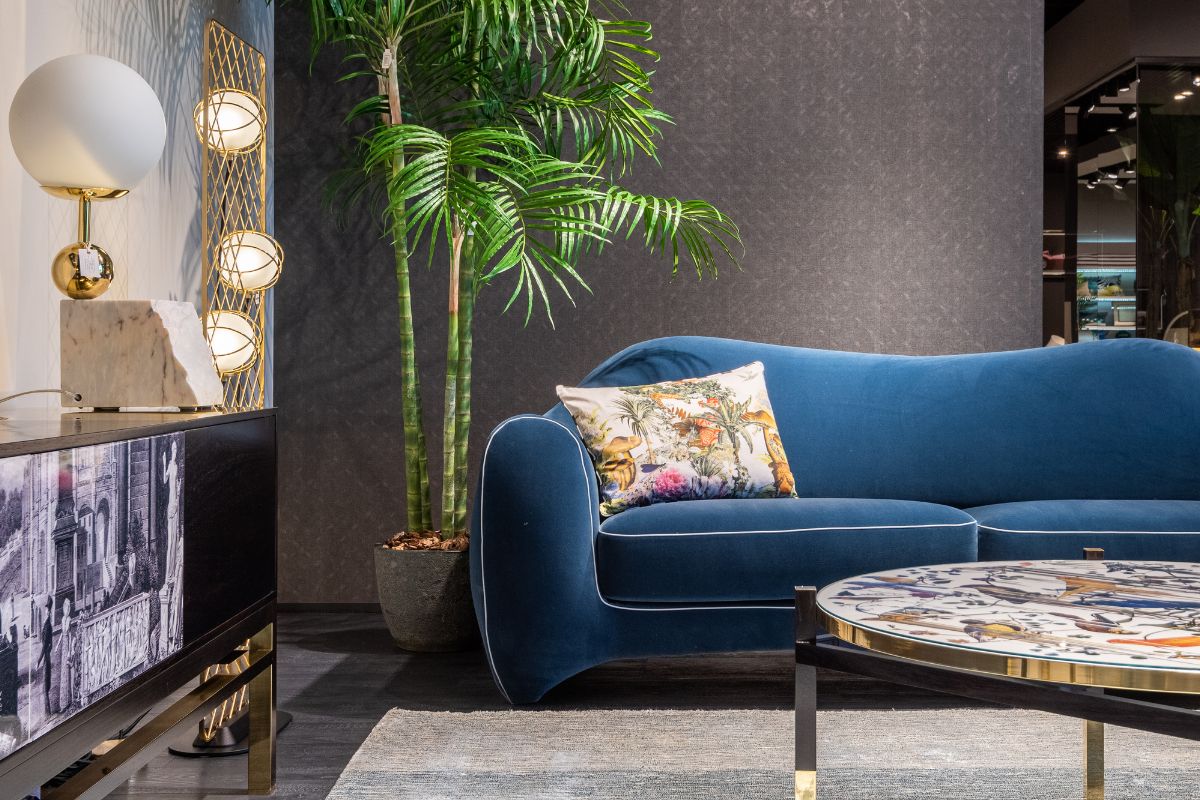
The first change? Lighting. That harsh overhead bulb in the living room made everything feel like an office waiting room. Swapping it out wasn’t an option in a rented space, but floor lamps and table lights were. A warm-toned lamp from a local charity shop found its spot beside the sofa. A second, with a linen shade, sat on the kitchen counter. Soft, yellow light instantly made things feel less sharp.
Also read: My 5 to 9 Evening Routine That Help Me Survive
Then came the curtains. The originals were those beige, stiff ones that flap in the wind but don’t quite block the sunlight. Replacing them with heavier, darker ones helped with sleep and added a bit of texture. Nothing too fancy, just a pair from a high-street shop during a sale. The difference was huge.
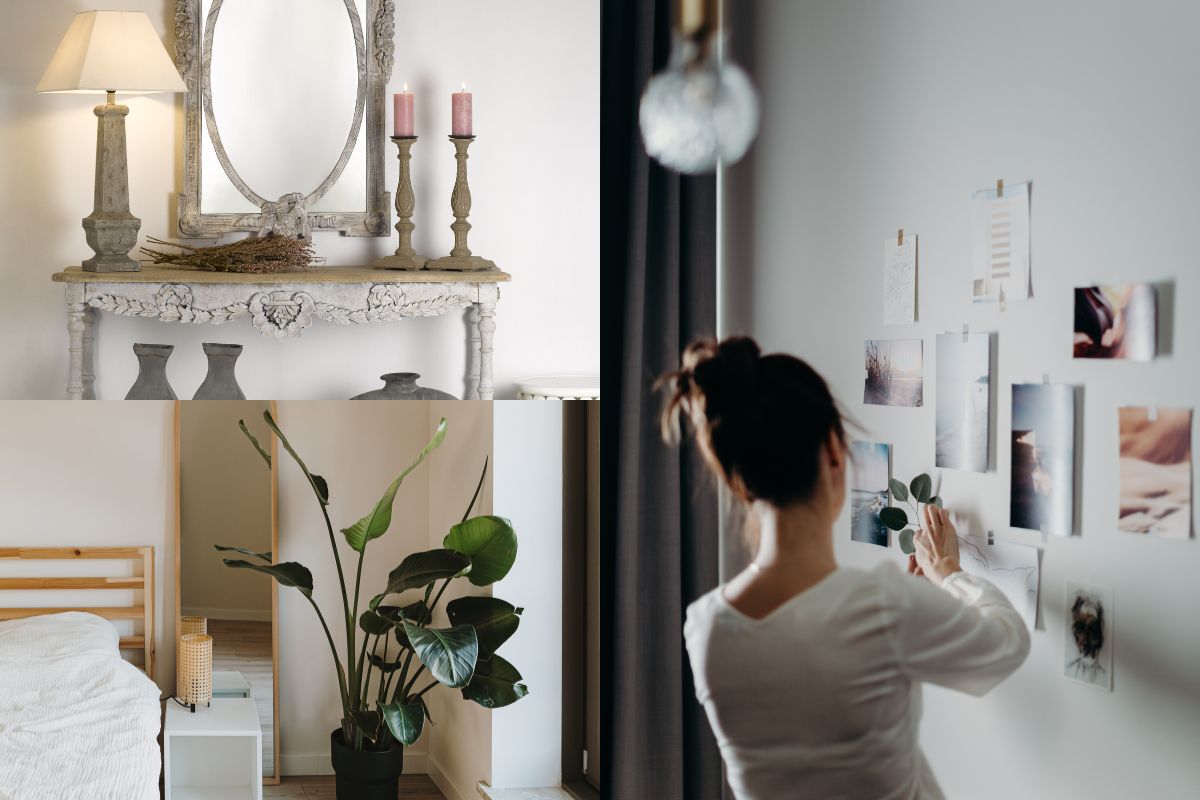
Next was the matter of the walls. No nails allowed, but that didn’t mean they had to stay empty. I hung some framed prints, some photos, and also a lightweight mirror on stick-on hooks. You’d be amazed at how much a mirror can open up a small room, especially when it’s hung across from a window.
Scent, oddly enough, turned out to be important. A plug-in diffuser in the hallway, a candle in the living room, and a citrus spray in the kitchen brought a sense of comfort that no amount of decor alone could offer. It’s not something that comes to mind at first, but once it’s there, the space feels like it belongs.
Plants, even the fake ones, helped. A small pothos in the bathroom, a spider plant near the TV, and a few little succulents lined up on the windowsill. Not everything survived. Some leaves yellowed. One plant gave up entirely. But the rest kept growing, and that felt like progress.
In the kitchen, there was no major renovation. Just a few smart swaps. A patterned tea towel, a matching set of mugs, and a wooden board to cover the old countertop stain. Things didn’t match before. Now, they at least looked like they had been chosen.
The bedroom needed to feel calm. That meant cotton bedsheets, not the scratchy kind that came with the place. A soft rug beside the bed meant no cold feet in the morning. A book on the bedside table. A glass of water. A charger that worked.
Shoes had been scattered by the door. A small bench with storage underneath fixed that problem. Keys used to go missing twice a week until a hook rack went up behind the door using adhesive pads. Little things, but they stopped the daily scramble.
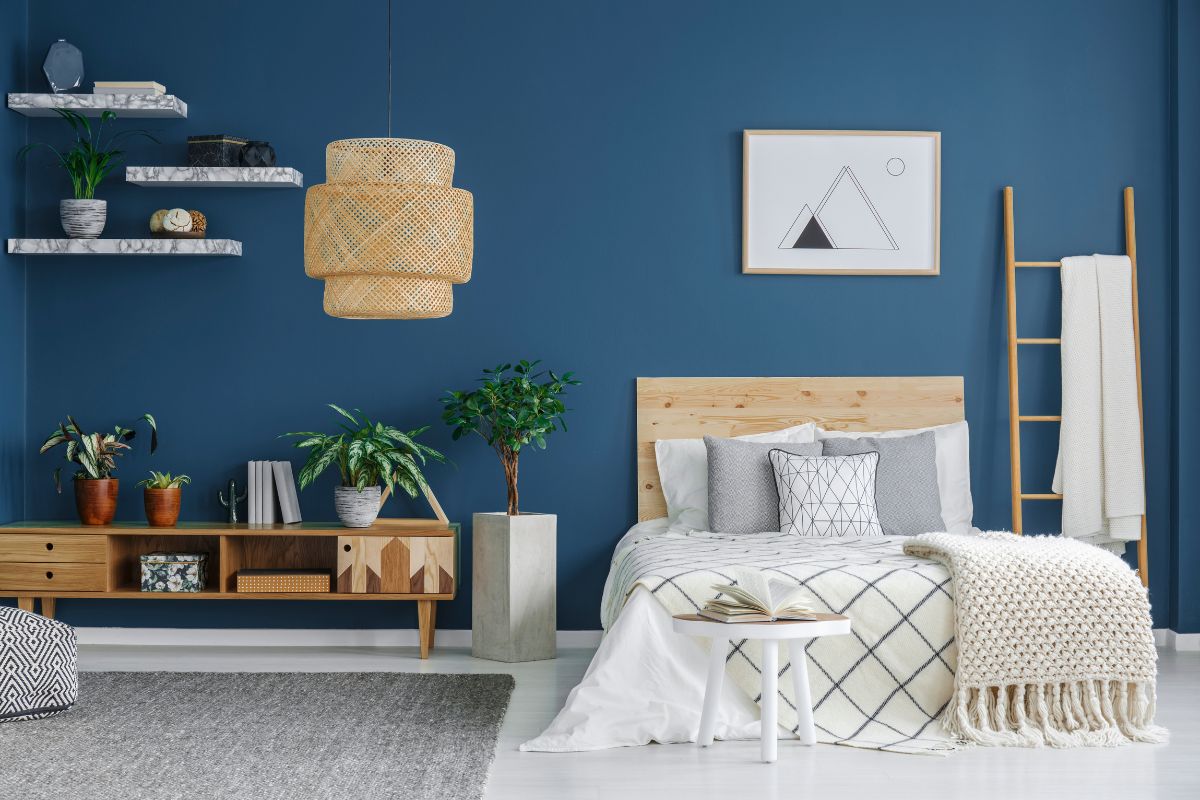
Storage in a rented flat is always a problem. It doesn’t take long for clothes, bags, and random bits to start spilling out. Baskets and fabric boxes became heroes. Under the bed. On top of the wardrobe. Even inside the coffee table. Out of sight, but still there when needed.
Noise was another issue. Thin walls and upstairs neighbours with heavy feet. A white noise machine helped at night. So did a thick rug in the hallway and some draft stoppers by the windows. Nothing was silent, but the space felt less like a bus stop.
There’s something about making a rented place feel like more than a stopover. It’s not about pretending it’s forever. It’s about caring enough to make the everyday feel easier. To feel a bit of calm at the end of a long day. To sit down, exhale, and think, “Yes, this works.”
Sometimes, that meant small habits, too. A cup of tea in the same mug each morning. Wiping down the kitchen after dinner, even when tired. Keeping the blinds half-open, so the sun woke up the room before the alarm did.
Also read: Why Nostalgia Is the Hottest Trend in Fashion Right Now
A few shelves lined with books made things feel lived-in. A coat hook added near the entrance meant no more jackets on chairs. Storage didn’t need to be expensive. Most of it was found online or in second-hand shops. But each piece had a reason. Each one helped.
No one thing made the flat feel like home. It was all the little efforts stitched together: soft lights, useful hooks, warm mugs, quiet corners. Not perfect, not Pinterest-worthy, but real.
And that’s what made it feel like it was meant to be lived in, not just passed through.