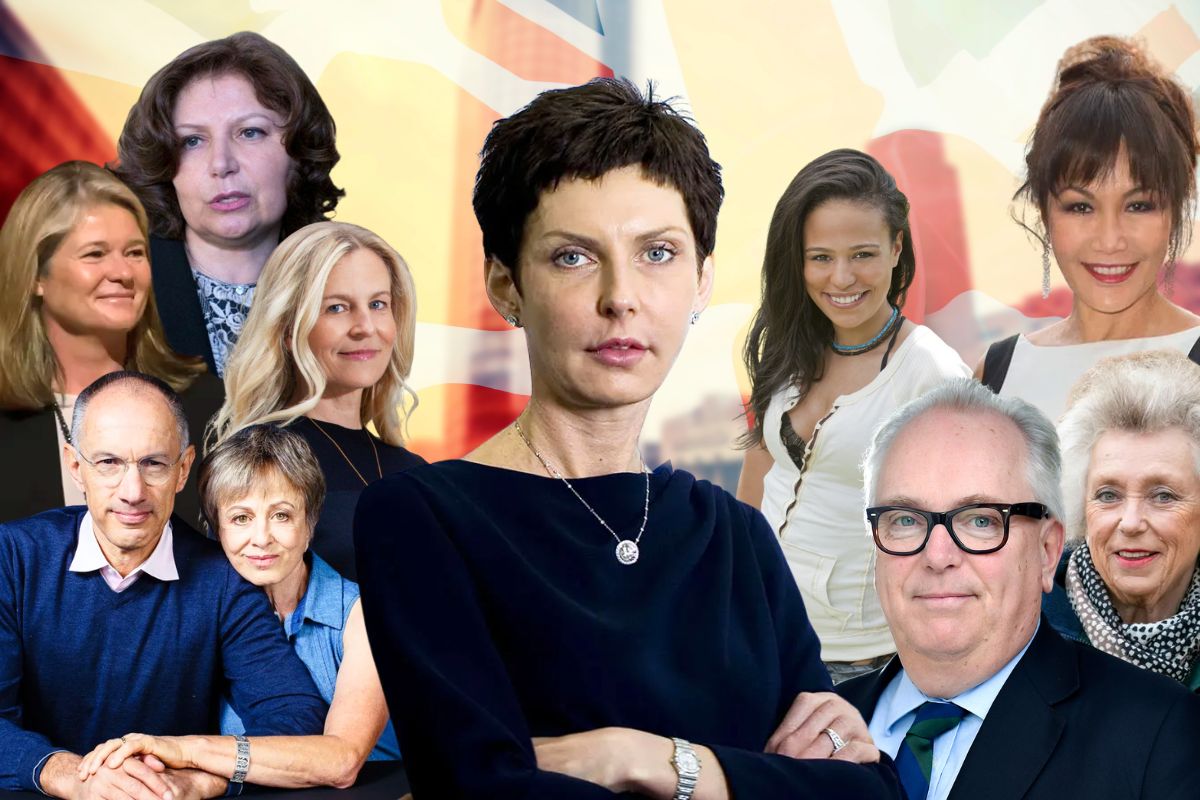
You know what’s mad? When I first began researching the top 10 richest women in the UK, I assumed they would all be businesswomen who created empires from scratch. It turns out that’s not exactly how it all works. Some did build their fortunes. But most? They were daddies’ girls or had rich husbands. And that is how wealth operates in Britain, innit?
I remember reading about these women last year and thinking – blimey, these aren’t your average millionaires. We’re talking billions here. Proper billions. The sort of money with which you could buy a football club as a bit of a lark. So allow me to bring you up to speed on who these women really are, where their money comes from, and what makes them tick.
Denise Coates – The Woman Who Built Bet365
Yes, so Denise Coates is the big one. She’s Britain’s wealthiest woman to have truly made her own fortune. She’s now worth about £9.5 billion. That’s mental, isn’t it?
Here’s her story. In 2000, Coates was managing her father’s betting shops in Stoke-on-Trent. Nothing fancy. Just regular high street bookies. But she had this feeling that if she took the whole betting thing online, it was just going to explode. So what did she do? She took a £15 million loan secured against those betting shops (can you imagine the pressure?), purchased the domain name bet365.com off eBay for £2000, and launched the business from a portacabin in a car park.
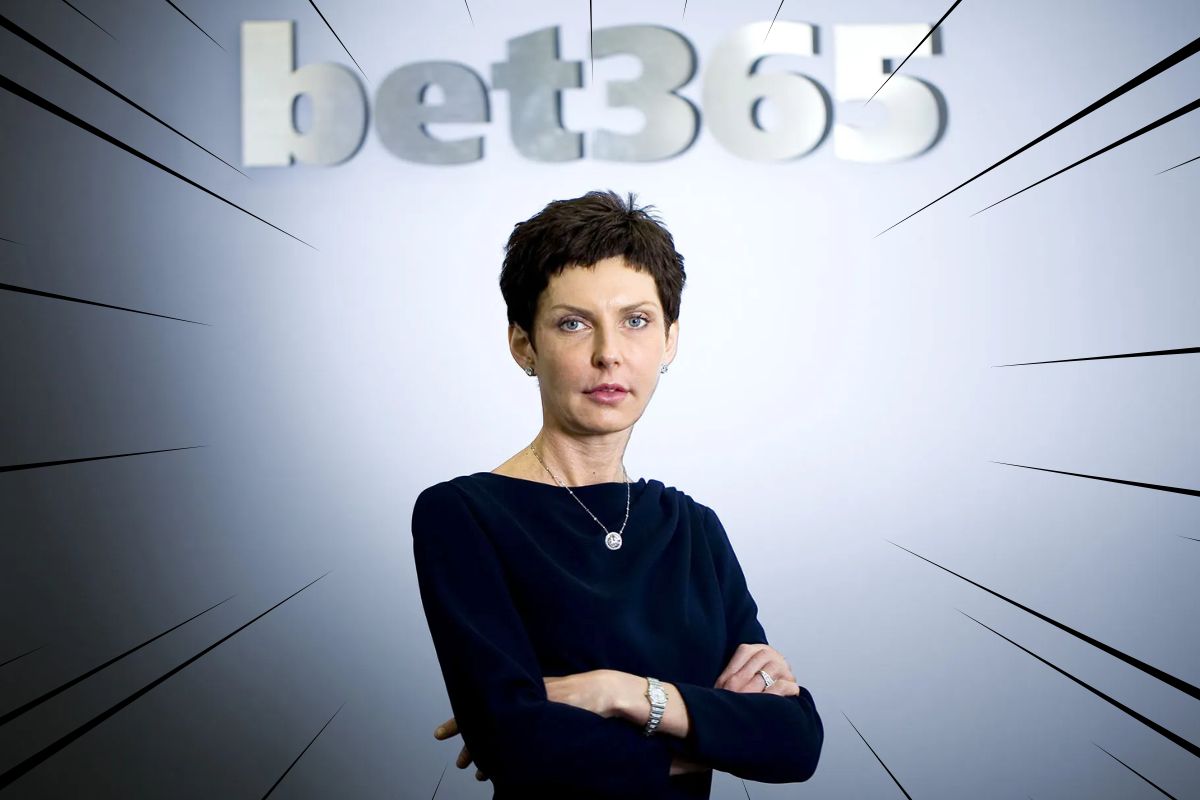
Fast forward to today, and Bet365 is one of the world’s biggest betting companies. Coates paid herself almost £95m in salary and a further £64m in dividends in 2024. That’s more than £150 million in a single year. Some people believe she shouldn’t have taken that much money, and they have a point – it is indeed a lot of money. She constructed the entire thing from the ground up. In Stoke, alone, she has more than 7,000 employees. Those are proper jobs in a city that needs them.
She lives in a £90 million mansion in Cheshire with an Olympic-sized swimming pool and two helicopters. Her kids have a custom-built water slide. She’s also one of Britain’s highest taxpayers. Love her or hate her, you can’t say she didn’t earn it.
Also read: When Your Favourite Ice Lolly Becomes a Safety Hazard
Charlene de Carvalho-Heineken – The Beer Heiress
Charlene de Carvalho- Heineken is worth roughly £10bn. She owns about a quarter of the beer company Heineken. You’ve had one of their beers at some point, haven’t you?
She’s Dutch, but she’s based in London, so that’s why she features on all the UK rich lists. Her father was Freddy Heineken, who had turned Heineken into a global brand. When he passed away in 2002, Charlene inherited a vast fortune. Before that, she was a typical London mum who shared her life with her five kids. The only share of Heineken stock she owned was a gift from her dad years earlier. And then suddenly, whoosh — she inherited 100 million shares and became a billionaire overnight.
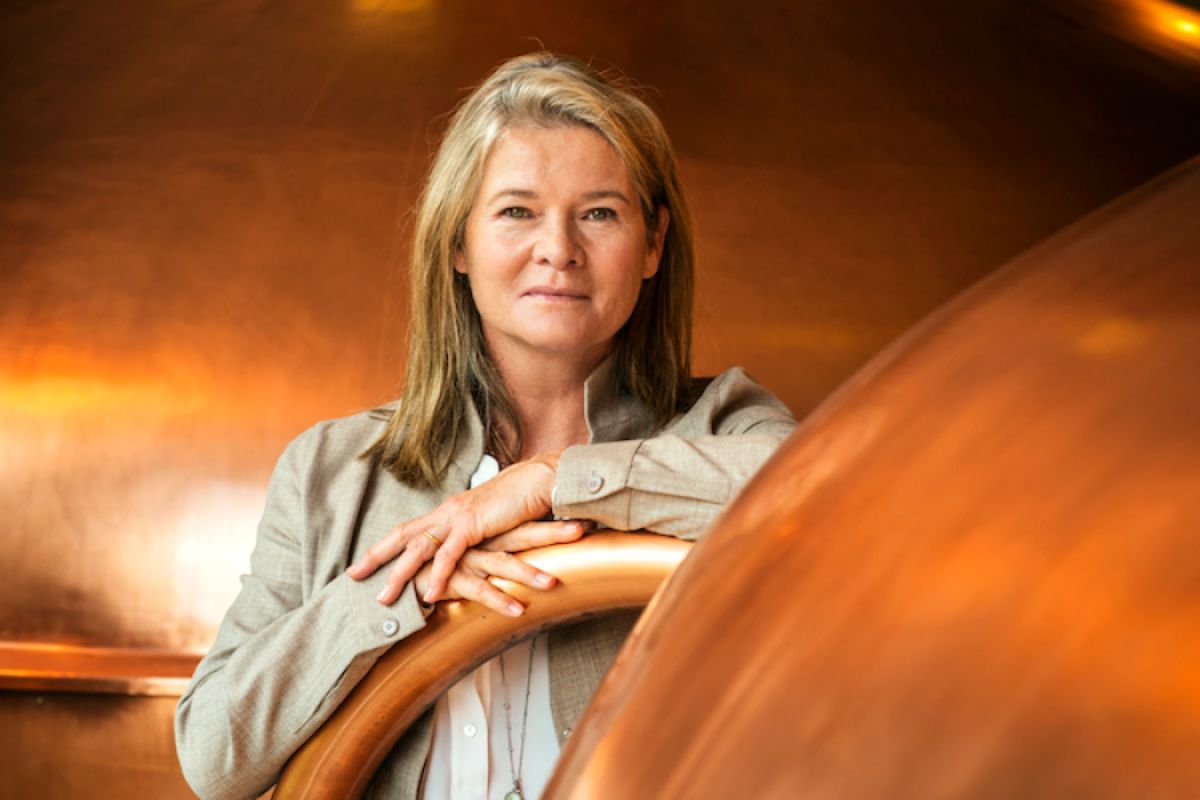
The irony is, she never sought to be in the spotlight. She didn’t use “Heineken” as part of her name for years because she felt embarrassed about it. Her friends don’t even care that much about her last name. She only wanted to be a regular banker’s wife. But you don’t really get to not stay normal when your father dies and leaves you billions, do you?
Her husband Michel sits on Heineken’s board now. Their son’s getting involved in the business too. It’s proper family dynasty stuff.
Kirsten and Jorn Rausing – The Packaging Billionaires
These two are siblings worth some £12.51 billion combined. They control a third of Tetra Laval, the producer of Tetra Pak. You remember those cartons that milk and orange juice come in? That’s Tetra Pak. Their granddad came up with that whole packaging system back in the day, and it revolutionised the way we store drinks.

Kirsten Rausing is kind of a big deal when it comes to horse racing. She has these real-posh stud farms in the UK where they breed racehorses. She serves on the board of Tetra Laval, but she’s got all these horses and stuff. That’s her real passion.
Jorn Rausing is a little more private. He serves on the Tetra Laval board with his sister. He also holds investments in other companies, such as Ocado. The entire Rausing family had a scary experience in 1989 when Jorn was almost abducted by terrorists. Since then, they’ve maintained a very low profile. Can’t blame them, can you?
The Weston Family – Primark and Fortnum & Mason
The Weston family is worth about £17.74bn. That makes them the UK’s sixth richest family. They’re the ones behind Primark, Fortnum & Mason, and heaps of other shops. Alannah Weston is part of this family, along with her brothers Guy, George, and Galen Jr.
They’re funded by George Weston Limited, a gigantic Canadian company that has interests in all sorts of businesses. In the UK, they’re best known for Primark, where you can buy a T-shirt for three quid. They were also long-time owners of Selfridges, which they sold for £4 billion in 2021. During that period, they extracted more than £580 million in dividends from the company.

Alannah’s massively into the family business. She used to run Selfridges before they sold it. Now she is a director of their holding company. The Westons are old money, a proper establishment. They’ve been working for generations to build their empire.
Marit Rausing and Her Children – More Tetra Pak Money
Marit Rausing is worth about £9.08 billion along with her kids, Lisbet, Hans, and Sigrid. She’s the widow of Hans Rausing, who was Kirsten and Jorn’s uncle (yeah, it’s confusing – there are loads of Rausings in Sweden, all loaded).
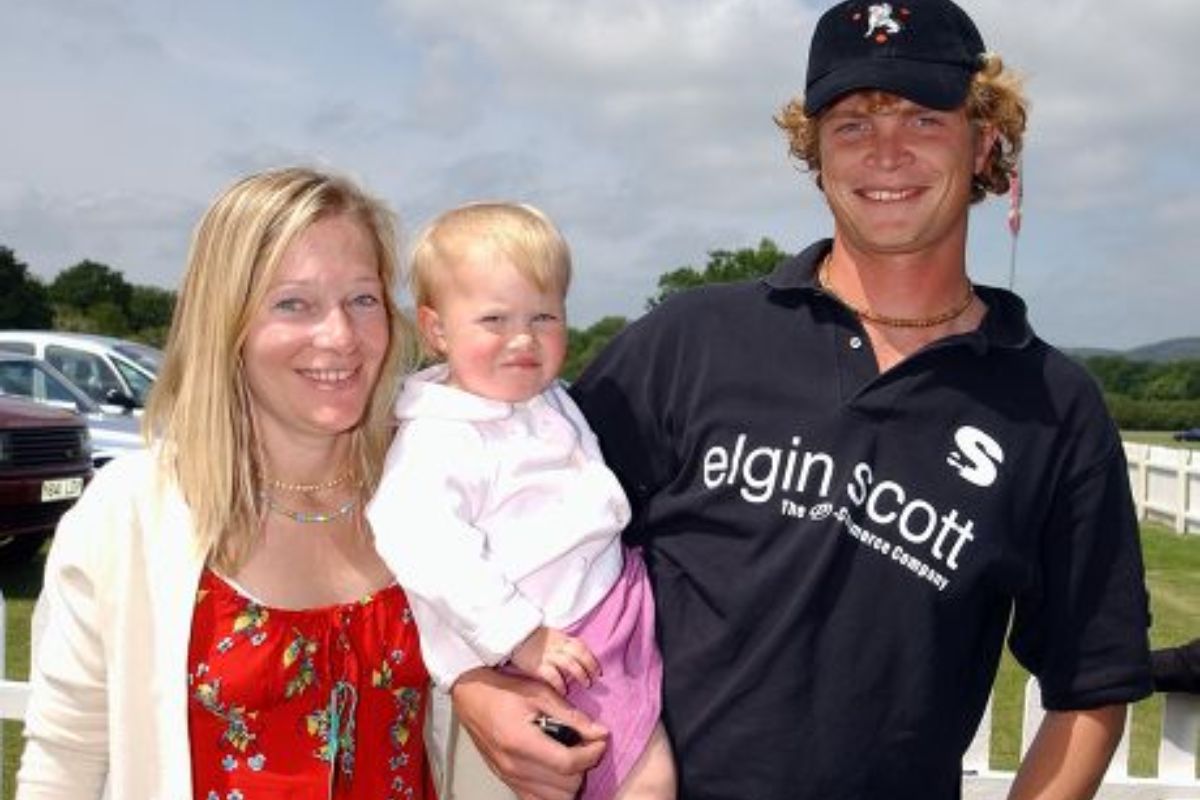
Her husband built up Tetra Pak before he died in 2019. Now Marit and her children manage that fortune. They’re not as public as some of the others on this list. You won’t see them in the tabloids or giving interviews. They just quietly manage billions and get on with their lives.
Alannah Weston – Yes, Another Weston
Wait, didn’t we just talk about her? Yeah, but she deserves her own bit because she’s one of the most active members of the family. While some rich people just sit on their fortunes, Alannah actually runs businesses. She was the creative director of Selfridges for years. She transformed that store into something special – not just a department store, but an experience.
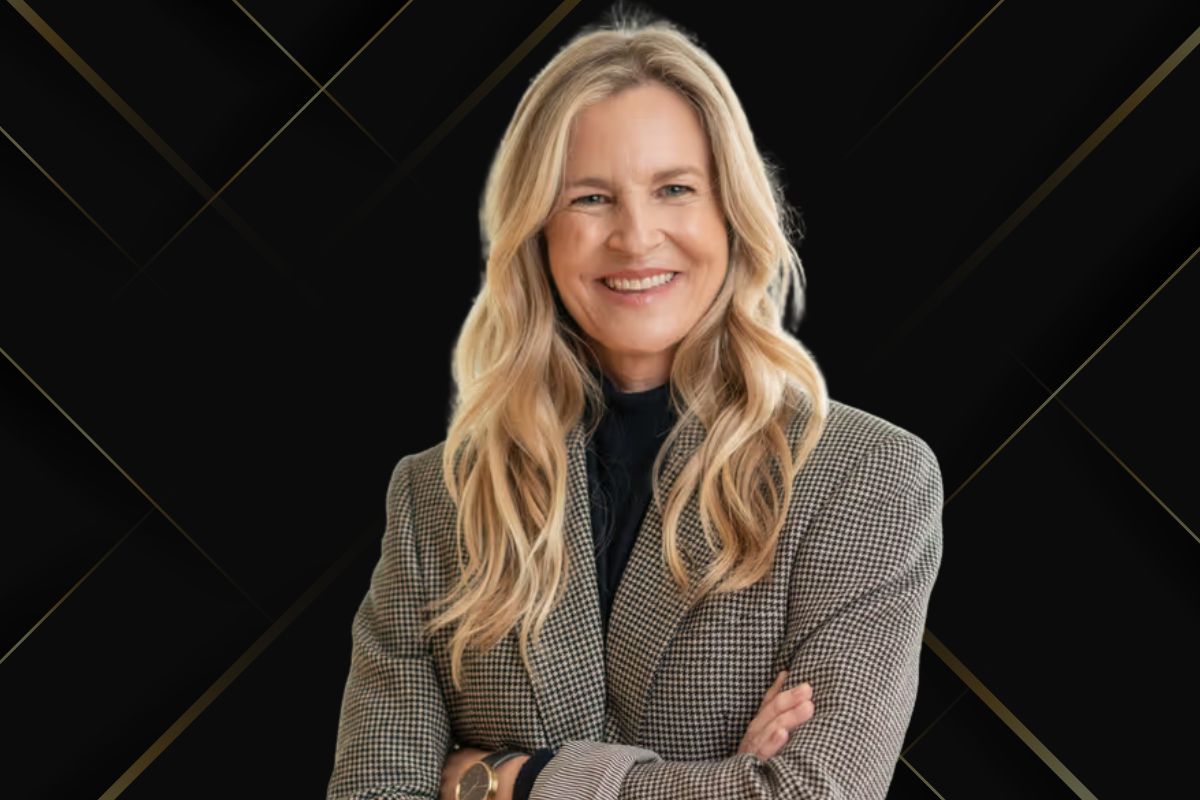
She grew up between Canada and Britain. She’s got that posh international vibe going on. But unlike some heiresses, she actually worked in the family business rather than just living off dividends. That counts for something.
Inna Gudavadze – The Georgian Widow
Inna Gudavadze is a name you likely don’t know. She received billions when her late husband, Badri Patarkatsishvili, a Georgian billionaire, passed away in 2008. He made his money in Russia, as the country teetered in those uncertain years after the Soviet Union fell apart.
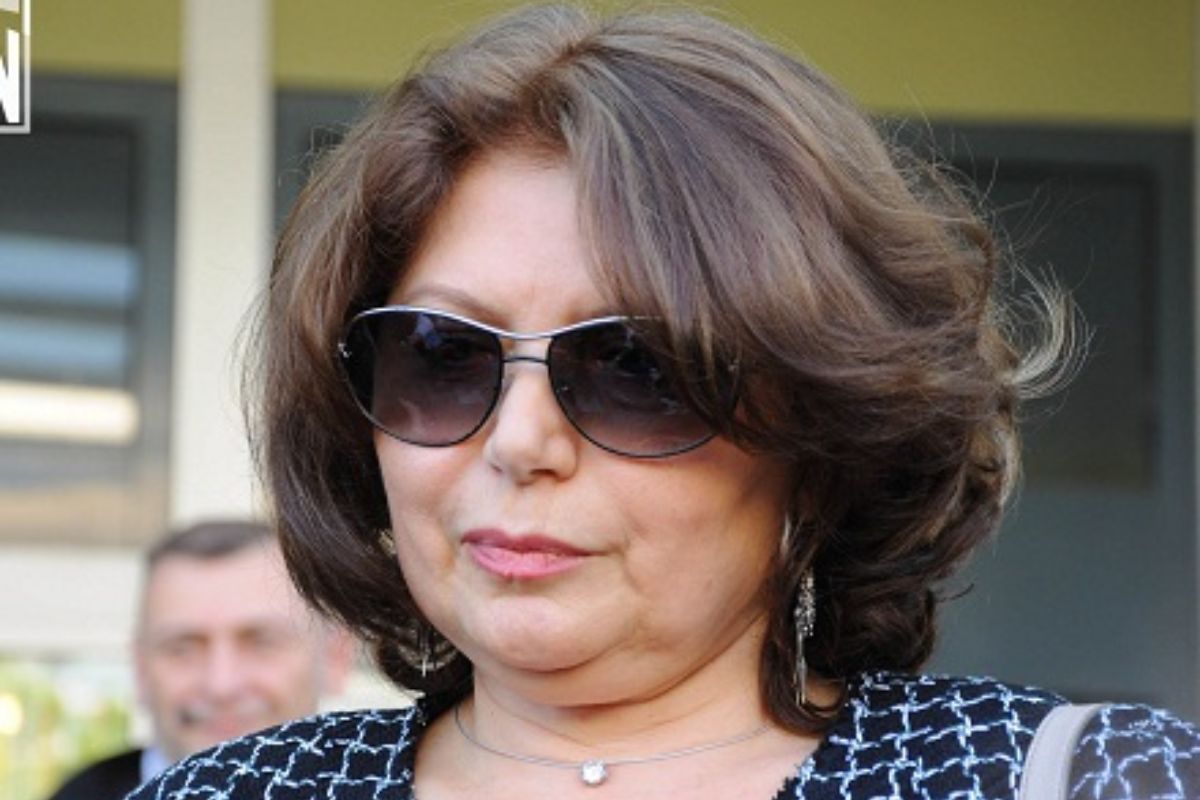
She’s kept things incredibly private. There’s not much out there about her. She does not do interviews or go to fancy events; she just manages her fortune quietly. She’s a multibillionaire, but good luck locating all that much about her. She probably likes it that way.
Carrie Perrodo—The French Oil Widow
Carrie Perrodo acquired her wealth from her husband, Hubert Perrodo, who created the oil and gas company Perenco. The family is worth about £9.3 billion today. Hubert died, and Carrie took over managing the family investments.
Their company drills for oil and gas in locations such as Africa and South America. It’s not sexy, it’s not cool, but it is enormously profitable. She’s based mostly in France, but she’s on the UK lists because of business connections here.
Sarah Dawson – The Range Retailer
Sarah Dawson and her husband, Chris, are worth an estimated £2.6 billion. Chris started up The Range, one of those massive shops that has everything – garden furniture, Christmas decorations, homeware, and so on. You’ve probably been to one. They are cavernous warehouses of stuff.
The Range began life as a single store in Plymouth and simply mushroomed. There are now shops all over Britain. It’s not flashy, but it’s got serious money. Chris built it, Sarah backs him, and together they have made billions. That’s solid working-class made good, isn’t it?
Harriet Heyman – The Venture Capitalist’s Wife
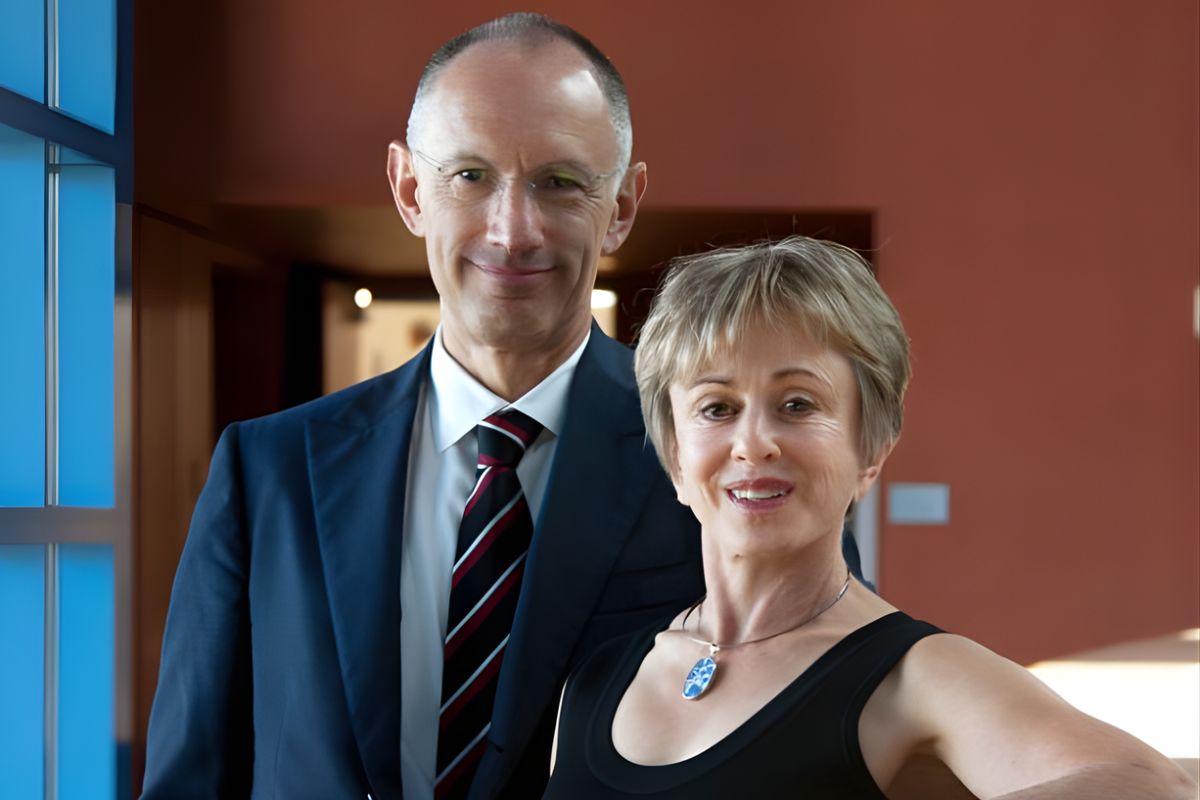
Harriet Heyman is a writer and sculptor, but her wealth comes from being married to Sir Michael Moritz. He is a big name in Silicon Valley venture capital. He spent time at Sequoia Capital, which supported companies like Google, Apple, and PayPal.
Her wealth depends on his success, and she’s not just lounging around. She’s a proper artist. She creates sculptures and writes. Her husband has made billions betting on tech companies, and she’s been living off that. That’s how it works sometimes.
Leonie Schroder – Banking Dynasty Money
Leonie Schroder comes from the Schroder banking family. That’s old, old money. We’re talking centuries of banking wealth here. The kind of family that’s been rich since before cars were invented.
She’s worth billions just from being born into that family. The Schroders have been in banking forever. They’ve managed that wealth carefully across generations. Leonie doesn’t need to work, but the family’s still involved in Schroders plc, the financial services company.
What About the Rest of the World?
If you look at the top 10 richest women in the world, Britain’s billionaires don’t even come close. The richest woman globally is Françoise Bettencourt Meyers from France. She’s worth over £90 billion from L’Oréal. Alice Walton from Walmart in America is worth around £115 billion. Those are numbers that make even Denise Coates look broke.
The difference? Most of the world’s richest women inherited their money from massive global brands. Bettencourt Meyers got L’Oréal from her mum. Walton got Walmart from her dad. Charlene got a Heineken from her dad. That’s the pattern. Very few women on these lists built their fortunes themselves.
The Honest Truth About Women’s Wealth
Let’s be real for a minute. If you check out the richest woman in England list or any female British billionaires, almost all of them inherited their money. That’s just facts. The big exception is Denise Coates, as she actually created Bet365 from nothing. But everyone else? They inherited it, or they got their billions from marriage.
Is that bad? Not really. It’s the way of wealth in Britain, as elsewhere. Old money stays in families. Big companies get passed down. Daughters inherit just like sons do these days. But it also means there aren’t many self-made women billionaires so far. Hopefully, that changes.
Also read: Getting Into Estate Agency – What It Actually Takes in 2025
My Take on All This
Now, I’m not here to tell you that billionaires are heroes. They’re not. Nobody needs £10 billion. It’s just an obscene amount of money. Denise Coates making £150m a year while people use food banks shows that there is clearly something wrong with our economic system.
But I do think it’s worth recognising the different paths these women took. Coates really did make something from nothing. The Westons and the Rausings have succeeded in maintaining family wealth across generations, something that is not easy to do. Charlene stepped in when she took over Heineken, and she did a proper job running it.
They’re not all the same. Some worked for their money. Some inherited it and managed it well. Some just got lucky being born rich. That’s the reality of wealth in modern Britain.
The thing that sticks with me most? How normal most of these women want to be. Charlene just wanted to be a banker’s wife. Kirsten wants to breed horses. Sarah Dawson helped her husband build a shop. They didn’t all dream of being billionaires. Some of them had it thrust upon them. Others grafted for decades to build something.
That’s what makes the top 10 richest women in the UK interesting. They’re not a monolith. They’re individuals with different stories, different values, and different relationships with their wealth. Some flaunt it. Most hide it. All of them have more money than any of us will ever see in our lifetimes.