
You may have heard the old saying that rosemary is for remembrance. It’s one of those kitchen essentials that smells like a Sunday roast and delivers the promise of sharpening your mind like a sharpened pencil. But one thing I’ve noticed after years of seeing people jump headfirst into “wellness” trends: we forget that herbs are just medicines in a prettier package. Over the past few years, rosemary tea has progressed from an herbal quirk to the “it” drink of early 2026 for students and office workers in search of an all-natural boost. But, you know, nature is not always gentle.
If you’re brewing a pot right now, you need to know that this stuff is potent. It’s not like a gentle peppermint tea that merely calms your stomach; rosemary is “loud” in the body. It affects your blood, brain, and even hormones in ways that may surprise you. While a sprinkle on your potatoes is extremely safe, consuming it as a concentrated tea can lead to some unpleasant surprises if you’re not careful.
The latest NHS England guidelines on herbal safety are quite clear: just because it’s “natural” doesn’t mean it’s harmless. In fact, for some of us, that third cup could be the difference between a productive afternoon and a trip to the GP. Let’s talk about what happens when this herb stops being a kitchen helper and starts causing trouble.
10 Side Effects of Rosemary Tea You Can’t Ignore
1. The Pregnancy Red Flag
This is the one I tell everyone to watch out for first. Rosemary is what we call an emmenagogue. That’s a fancy way of saying it gets the blood moving in your pelvic area and uterus. If you’re pregnant, this is exactly what you don’t want. Strong rosemary tea can actually trigger uterine contractions. In 2026, the medical consensus remains strict: expectant mothers should stick to culinary amounts and avoid the tea entirely to prevent any risk of miscarriage.
Also read: 10 Side Effects of Apple Cider Vinegar You Just Can’t Ignore

2. Thinning Your Blood Too Much
Rosemary has these compounds called salicylates. If that sounds familiar, it’s because it’s essentially the same stuff found in aspirin. It acts as a natural blood thinner. Now, if you’re already taking medications like Warfarin or Heparin, drinking rosemary tea is like doubling up on your dose. As noted in the WebMD profile on Rosemary, it makes you bruise more easily and, in some scary cases, can increase the risk of internal bleeding.

Also read: How Many Calories Are In Red Capsicum And Why It’s A Diet Favourite
3. A Trigger for Seizures
Here is something people rarely mention: Rosemary is a neurostimulant. It contains a high amount of camphor—sometimes up to 20% depending on the plant. For most of us, that’s what gives us that “mental clarity.” But if you have epilepsy or any seizure disorder, that camphor can lower your seizure threshold. I’ve read reports where people who were otherwise stable had “breakthrough” episodes simply because they switched to rosemary tea.

4. The Aspirin Allergy Connection
And because rosemary tea is filled with those salicylates I just mentioned, it’s a real nightmare if you’re allergic to aspirin. Honestly, it’s a kind of “hidden” danger. You might have a cup and suddenly break out in hives or be unable to breathe, never making the connection to your allergy. If there’s a wheeze in your throat with aspirin, this tea will likely do the same.
Also read:10 Foods With More Potassium Than a Banana

5. Stomach Cramps and “Herb Burps”
We typically associate herbal tea with digestives, right? But rosemary is oily. Those volatile oils that give it such a delightful smell can irritate the lining of your stomach if their concentration is too high. If you steep your tea for way too long—say, twenty minutes when the recommendation is five—you’re probably going to experience nausea and maybe even vomiting. It’s simply your body working to expel the irritant.

6. The Danger of Lithium Toxicity
This is a very specific but deadly side effect. Rosemary is a natural diuretic; it causes you to urinate more. It is a huge issue for anyone on lithium for bipolar disorder. When you dehydrate, the amount of lithium in your blood can rise to dangerous levels. It’s a fine balance, and rosemary tea can push that scale in a dangerous direction.

7. Blocking Your Iron Levels
One of the most interesting bits of research from 2024 and 2025 shows how tannins in rosemary tea behave in the gut. They essentially “grab” onto the iron from your food before your body can absorb it. A 2025 PubMed summary explains how rosemary extract can reduce iron absorption in young women. If you struggle with anaemia, drinking this tea with your meals is basically sabotaging your nutrition.

8. Blood Pressure Swings
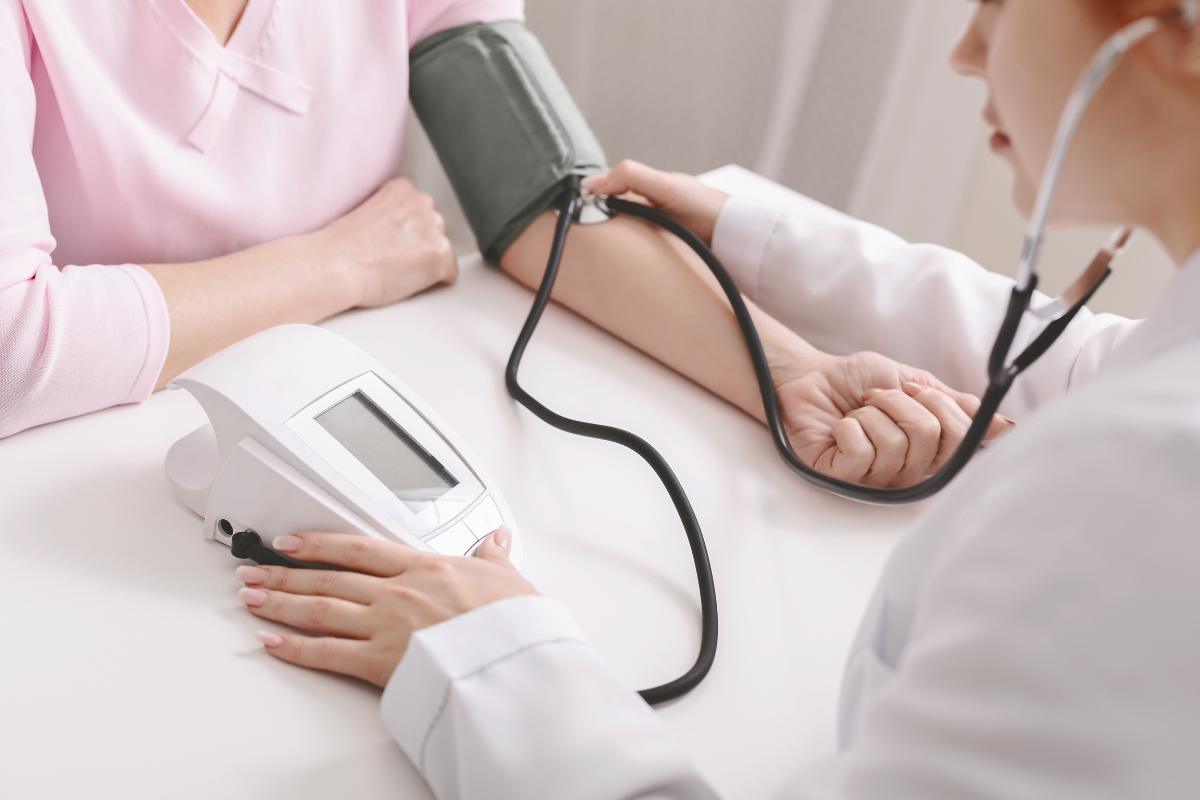
Rosemary is a kind of wild card when it comes to your heart. For some, the camphor elevates blood pressure; for others, the antioxidant effect reduces it. That could be an issue for people taking ACE inhibitors or other blood pressure medications. Rosemary tea has side effects that get in the way of these drugs’ actions, causing levels to bounce around rather than stay even.
Also read: What Is Hyperhidrosis and How It Affects Your Hands
9. Stressing Out Your Kidneys
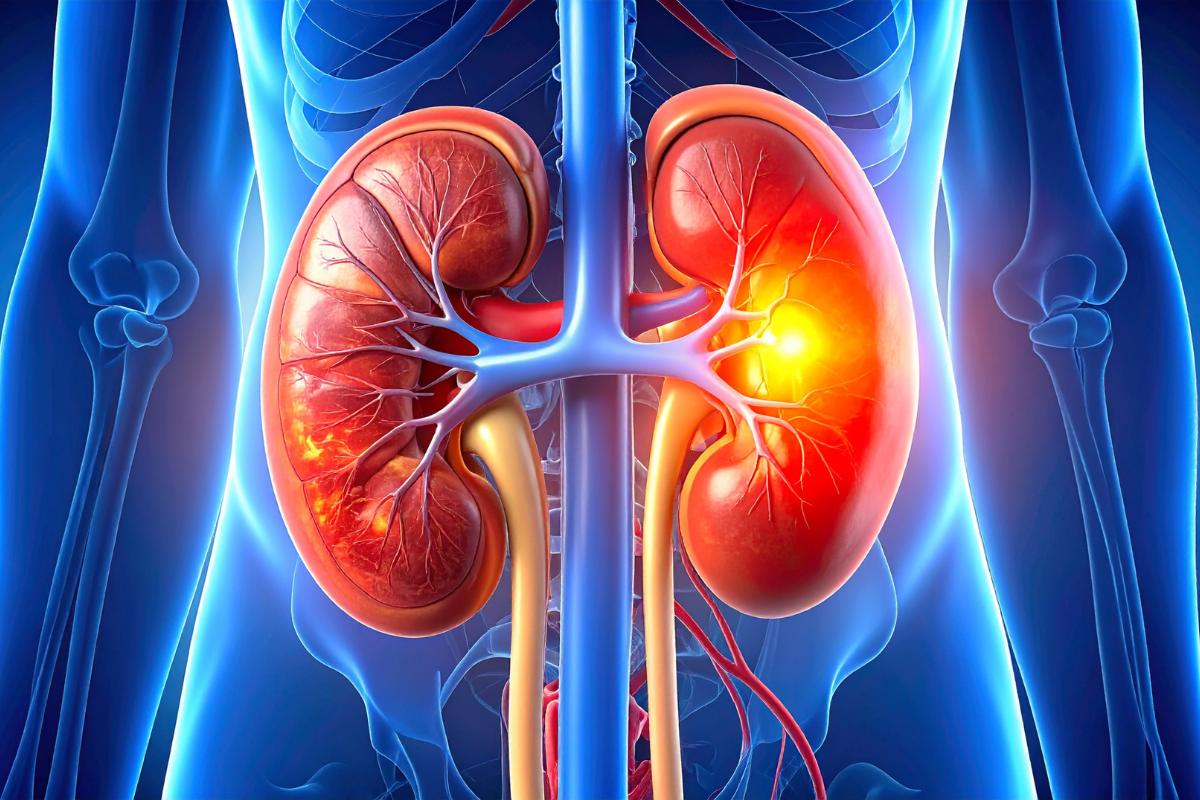
Your kidneys are the filters for all that you eat. Due to rosemary’s potent volatile oils, excessive drinking can be an irritant to the renal system. This herb is a little like pouring sand into a delicate engine if your kidney has already been overworked due to some pre-existing condition.
10. Making Your Skin “Sun-Shy”
In some, drinking large quantities of rosemary could cause photosensitivity. This means that your skin is much more sensitive to the UV rays. You might find yourself burning in ten minutes when it usually takes an hour or developing a weird “rosemary dermatitis” rash just from being out in the sun.

At a Glance: Who Should Be Careful?
If you fall into these categories, that second cup of rosemary tea is probably a bad idea.
| Group | The Primary Risk | Why it Happens |
| Pregnant Women | Miscarriage / Contractions | Rosemary stimulates blood flow to the uterus (Emmenagogue). |
| On Blood Thinners | Internal Bleeding / Bruising | Contains salicylates, which act just like Aspirin. |
| Epileptics | Seizure Trigger | High camphor levels act as a potent neurostimulant. |
| Aspirin Allergy | Hives / Breathing Issues | Chemically similar to the compounds in Aspirin. |
| On Lithium | Lithium Toxicity | The diuretic effect causes Lithium to spike in the blood. |
| Anaemic / Iron Deficient | Poor Iron Absorption | Tannins bind to iron in the gut, stopping it from being used. |
Also read: Copper Water Bottle Benefits: What My Three-Month Trial Actually Taught Me
How much Rosemary Tea is Safe to Drink
So, is rosemary tea the enemy? Not at all. But as with anything in the medicine cabinet, the dose makes the poison. In 2026, the current safe approach is to remain at one or two small cups per day.
Here’s a brief guide to brewing it without going overboard:
- 2g Rule: 1 teaspoon (2g) of dried leaves per cup
- Watch the Clock: Sleep for 5 to 10 minutes. Any longer and those annoying oils start to take over.
- Take a Break: Don’t drink it literally every day for months on end. If you want to let your system reset, try a “4 weeks on, 1 week off” cycle.

Who Should Just Say No?
Listen, I’m all for natural remedies, but some groups should probably just walk away from the rosemary pot.
- Pregnant or Nursing Mums: The risk to the baby and the uterine effects just aren’t worth it.
- Aspirin-Sensitive People: If the small white tablet makes you queasy, the leafy green will as well.
- Human beings with histories of seizure: Your brain is already working extremely hard, and putting camphor in your body will overstimulate it.
- Those on Specific Meds: If you’re taking blood thinners, blood pressure meds, or lithium, check with your pharmacist.

The Science: What’s Actually Happening Inside?
When you sip that tea, three main chemicals start doing the heavy lifting. First, there’s Rosmarinic Acid. This is the good guy—it’s a massive antioxidant that can actually cross the blood-brain barrier. That’s why people feel so sharp after a cup.
Then you’ve got Carnosol, which is great for inflammation but can be a bit “bitey” on the stomach lining. And finally, the Camphor. This is the stimulant. It’s what gives rosemary that medicinal, “clean” scent. It’s great for focus, but it’s also the reason your nervous system might get a bit twitchy if you have too much.
Also read: How Much Does a Tooth Extraction Cost Privately – A Complete Guide
Signs Your Body is Done with Rosemary
Your body ultimatum is the “cease and desist letter” that comes before things get real. If you find yourself getting what I think of as “herb burps”—that taste of rosemary that sticks around for hours after drinking it—it means your stomach is having a hard time breaking down the oils.
Other red flags are feeling “jittery” or overcaffeinated (though rosemary doesn’t have any caffeine), muscle twitches, or a strange itchiness on your skin. If you feel your heart racing or experience dizziness, stop right away. The side effects of rosemary tea are often cumulative, meaning they get worse the more you drink.
FAQs: Your Quick Guide
Q: Can I drink rosemary tea while on the pill?
There’s no concrete evidence that it prevents birth control from working, but because it can affect hormones and blood flow, you should be cautious.
Q: Is it safe for kids?
Generally, no. Their nervous systems are still developing, and that high camphor content is a little too much for small ones.
Q: Will it help me lose weight?
It’s a diuretic, which means you’ll shed water weight, but that does not equal fat loss. Don’t treat it as a “diet tea.”
Q: Can I use fresh rosemary from the garden?
Of course, so long as it’s washed. Fresh leaves are often milder, or less “harsh”, than the dried, concentrated ones.
Tips for a Safer Sip
If you really want that brain boost without the drama, start weak. Use half a teaspoon of leaves for your first few goes. Always use fresh leaves for every cup—don’t try to “double steep” the same pile of herbs, as that just releases the more bitter, irritating compounds. And honestly? Drink it with a bit of food. It buffers the stomach and makes the whole experience much smoother.
Rosemary is a brilliant herb, but we have to respect it. Treat it like a tool, not just a drink. If you’re on any long-term meds, do me a favour and have a quick word with your GP or pharmacist before you make this a daily habit. It’s better to be safe than sorry, right?
Sources and References
- NHS England (UK) – High Blood Pressure and Herbal Safety: For the latest 2026 perspectives on managing hypertension and understanding how herbs like rosemary can interact with ACE inhibitors and blood pressure. NHS Overview: High Blood Pressure (Hypertension)
- WebMD – Rosemary Leaf Overview and Interactions: A comprehensive profile detailing the medicinal side effects of rosemary, specifically its interactions with blood-thinning medications and aspirin allergies. WebMD: Rosemary Uses, Side Effects, and Interactions
- American Pregnancy Association – Herbs to Avoid During Pregnancy: Clinical evidence regarding rosemary’s classification as an emmenagogue and its potential to cause uterine contractions or miscarriage. American Pregnancy Association: Herbal Remedies in Pregnancy
- PubMed (NCBI) – The Effect of Tea Tannins on Iron Absorption: Scientific research highlighting how the polyphenols and tannins in herbal infusions can inhibit the body’s ability to absorb non-heme iron. PubMed: The Effect of Tea on Iron Absorption
- ResearchGate – Camphor Toxicity and Seizure Thresholds: A 2025 case study and chemical analysis of how concentrated camphor (found in rosemary) can act as a neurotoxin and trigger convulsions. ResearchGate: Camphor Oil Intoxication and Seizures
- Tata 1mg – Modern Science View on Rosemary Overdose: Detailed medical warnings regarding rosemary’s impact on kidney irritation, gastroenteritis, and its role as a psycho-stimulant. 1mg: Rosemary Benefits, Precautions, and Dosage
- StatPearls – Dietary Iron and Absorption Inhibitors: A clinical review of factors that sabotage iron levels, specifically noting the “phytates and tannins” in tea. StatPearls (NCBI): Dietary Iron Homeostasis
- Longdom Publishing – Rosemary and Lithium Interaction Research: A study investigating the diuretic effects of rosemary and its complex relationship with lithium-induced toxicity. Longdom: Protective and Toxicological Effects of Rosemary Extract
Disclaimer: This article is for general informational purposes only and should not be considered medical advice. Herbal remedies may interact with medications or existing health conditions. If you are pregnant, breastfeeding, taking prescription medicines, or have a medical condition, consult your doctor or pharmacist before regularly consuming rosemary tea or any herbal supplement.