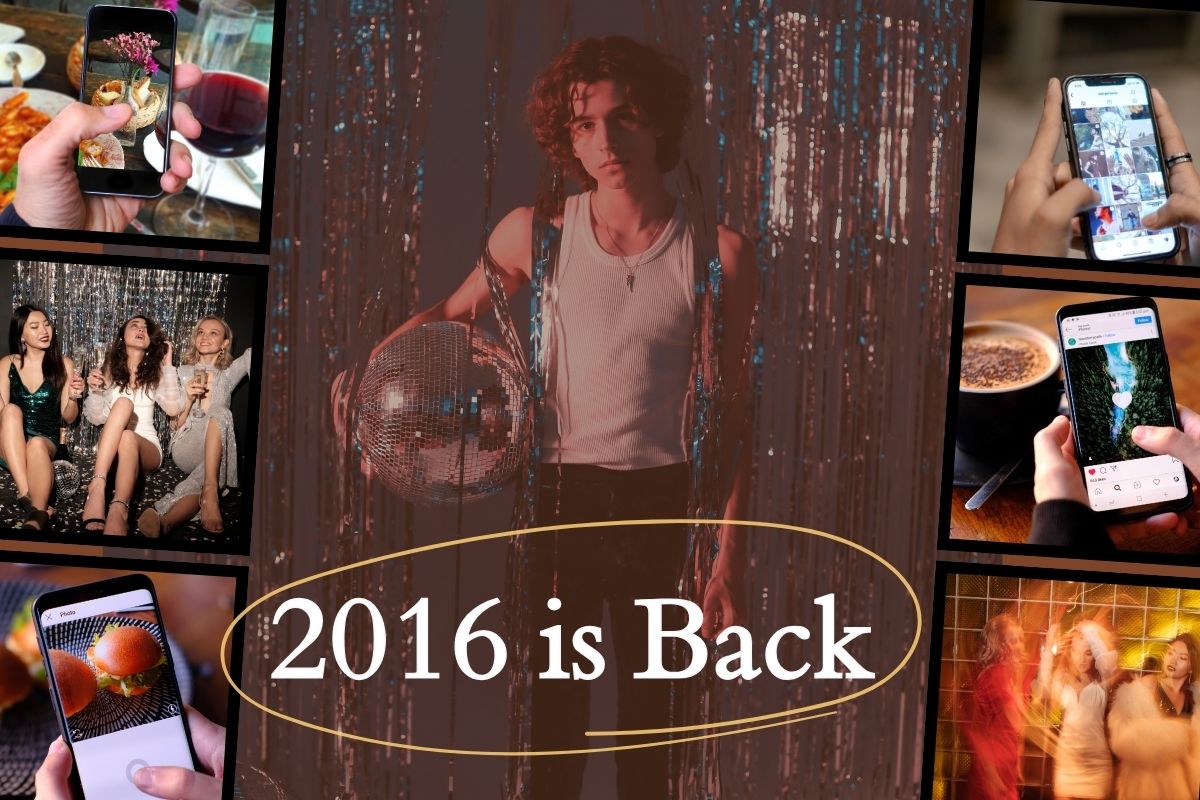
It usually starts the same way. You’re bleary-eyed, thumb moving on pure instinct, when something on your screen feels… off. Not bad. Just different. The video’s a bit grainy. The lighting’s harsh. Someone’s used a filter you haven’t seen in years. The caption actually rambles instead of trying to sell you a miracle supplement. And before you know it, you’re smiling.
Then you hit the comments.
“Feels like 2016.” “Take me back.” “Is that… a velvet choker?” “I miss this internet.”
If it sounds familiar, you’re certainly not alone. Feeds across the UK are being bombarded with posts that look like they escaped from a 10-year-old time capsule. And look, it’s not accidental. Nostalgia is trending on social platforms, and it’s hitting with a force that’s very surprising.
This is not some neat brand campaign. It’s messier. More raw. It feels personal. We’re not just recycling old styles; we’re attempting to claw our way back to a sense that most of us didn’t even know we had lost. The sense that being online didn’t have to be a second job. The sense that the internet was a zone to exist in, not a stage on which to perform. In 2026, that turnaround is a symbol of how exhausted we’ve all become.
That Moment When Your Feed Felt Familiar Again
The change didn’t arrive with some big, flashy announcement. It crept in quietly. One unpolished video here. One badly lit photo there. Then, almost overnight, it felt like half the internet had collectively decided to stop trying so hard.
Honestly, it’s a relief. For the last few years, scrolling through social media has felt like walking through a high-end department store where you can’t afford anything, and the mannequins are watching you. Everything has been so… perfect. So curated. But lately, you see people posting blurry flash photos like it’s 10 p.m. at a house party in 2016. No tidy aesthetic. No clever hook. Just life.
I’ve noticed it most in the way people are using music. You’ll be watching a clip of someone just making a cup of tea, and suddenly the opening chords of Starboy by The Weeknd or Desiigner’s Panda kick in. There’s no explanation needed. It’s not a “throwback Thursday” post; it’s just the current vibe.
Most of us didn’t go looking for this. We noticed it because it felt familiar. It felt like a warm blanket in a room that’s been far too cold for far too long. In 2026, where we’re constantly second-guessing if a video is a deepfake or if a caption was spat out by a bot, seeing a “cringe” 2016-style mirror selfie feels like proof of life. It’s as if the internet briefly remembered how to relax and just have a bit of a laugh.
Also read: The Great British Comeback: Why We Can’t Stop Watching Molly-Mae and Tommy Fury
The “AI Wall” and Why We’re Looking Back
You might wonder why we’re romanticising a year that was, let’s be honest, pretty chaotic for the UK. But it’s not about the politics; it’s about the Digital Comfort Phase.
- The AI Wall: By early 2026, we will be experiencing AI Slop saturation. If everything is perfect, perfection gets boring. The grainy photo from a 2016 archive is now worth more than the AI-generated masterpiece in 4K because it has a soul.
- The 10-Year Itch: There’s a psychological cycle where we re-embrace a decade once it recedes far enough into the past to feel “retro” but close enough that you can remember the smell of the air. For Gen Z, it was their “Golden Era”, 2016, the summer of Pokémon Go and innocent viral challenges.
- Algorithm Exhaustion: We’re tired of being “creators”. We just want to be “users” again.
The crazy part is that nostalgia is trending as a direct act of resistance. It’s a way of saying, “I am a human being, I am messy, and I don’t care if this post fits your data-driven engagement model.”
Also read: How Clive Carter Quietly Became One of the West End’s Best
The Vibe Shift: Why 2026 Feels So Different
If you’re struggling to put your finger on why your feed feels like it’s undergoing a personality transplant, here’s the breakdown. It’s the difference between a world that’s been “optimised” to death and the one we’re trying to claw back.
| Feature | The “Optimised” Era (2020-2025) | The 2016 Revival (2026) |
| The Look | 4K resolution, perfect lighting, AI-smoothed skin. | Grainy, “ugly” flash, and the return of the Rio filter. |
| The Music | Slowed + Reverb or sped-up TikTok remixes. | Starboy, Panda, and pure, unedited 2016 bops. |
| The Caption | SEO-heavy paragraphs with “Call to Actions”. | A single emoji, a song lyric, or a 2 a.m. ramble. |
| The Goal | To build a personal brand and “monetise.” | To post something funny and then put the phone down. |
| The Tech | Latest iPhone Pro Max with 3 cameras. | A dusty iPhone 7 or a silver eBay “digicam”. |
Also read: Fashion Trends That Look Huge On Your Phone, Then Feel Odd On The Bus
The Aesthetic Reset: Reclaiming the Grain
Strip away the hashtags, and the phrase is simple. It describes a return to early social media habits that felt more human and less calculated. In practice, this looks like a deliberate choice to be low-effort.
We’re talking about “photo dumps”, where the first slide is a blurry picture of a rainy London street and the last is a screenshot of a funny text from your mum. It’s the return of the “Rio de Janeiro” filter on Instagram and those grainy, overexposed Snapchat selfies that we all thought were buried in 2017.
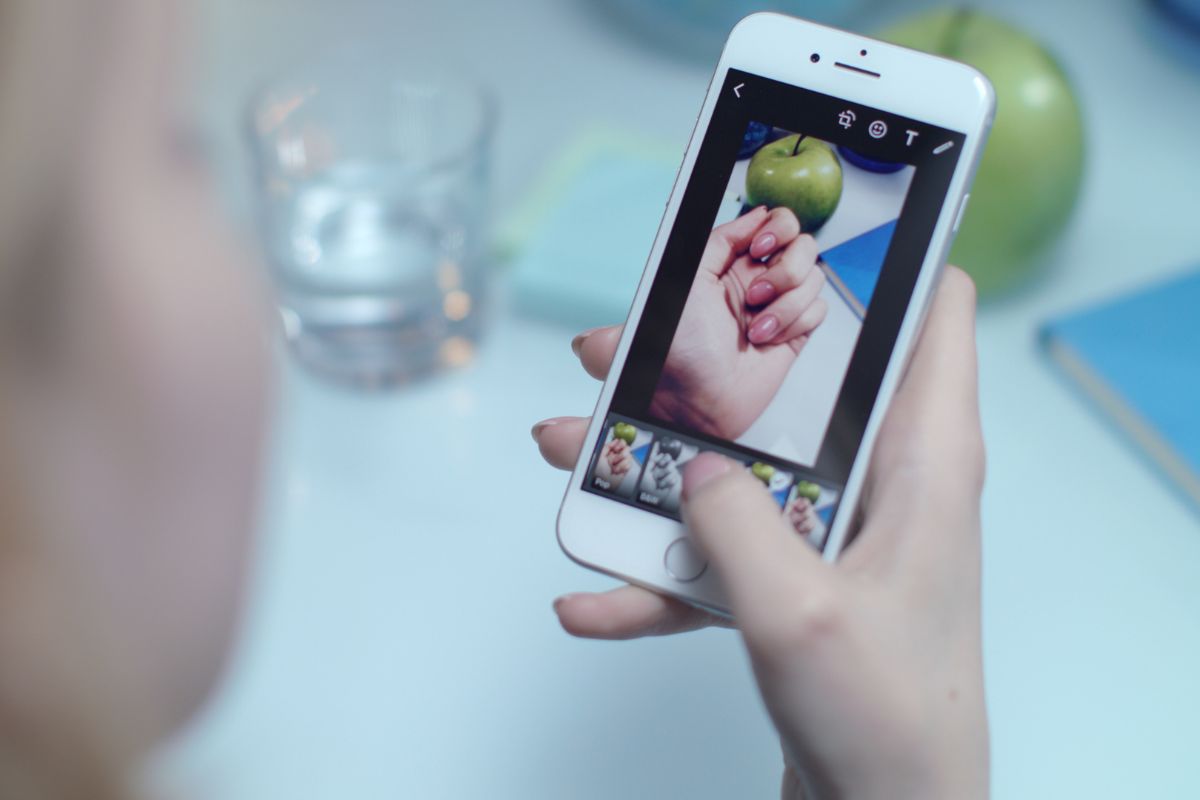
I was in a pub in Manchester last weekend and saw a group passing around a chunky, silver “digicam”—those 10-megapixel point-and-shoots that take five seconds to turn on. One girl told me she’d tracked it down on eBay for £60 because “modern phone cameras make my skin look like it’s made of plastic.”
She’s got a point. People are digging out cracked iPhone 7s specifically to use as “content phones”. Why? Because those older sensors don’t have the aggressive AI “beautification” of modern devices. They give you that raw, noisy look that was everywhere in 2016.
Why Brands are Investing in “Cringe”
The brands have clocked it. Of course they have. But instead of the usual 4K gloss, they’re intentionally “downgrading”. It’s a weird sight: multi-billion-pound companies trying to look like they’ve got a £5 marketing budget.
Take Nike and Adidas. They aren’t just rereleasing shoes; they’re raiding their 2016 rubbish bins. The NMD and Superstar are back, and their ads have ditched sleek stadium shots for shaky clips that look like they were filmed by a bored teenager. According to a 2025 Business of Fashion report, trust in “perfect” ads has tanked by nearly 40% since the AI boom. If a photo doesn’t have a bit of motion blur or a bad shadow, we don’t trust it anymore.
Even M&S is doing it. I saw a “Dine In” ad recently that looked like a chaotic TikTok from 2016. No slow-mo chocolate drips—just a slightly out-of-focus phone camera and someone actually laughing. UK banks are the funniest, though. They’ve binned the sterile offices for “raw” footage of staff in the breakroom. It’s a desperate attempt to say, “Look, we’re real people, not a soulless algorithm.”
Also read: The War Room: Inside the First 24 Hours of a Celebrity Crisis
The Digital Comfort Phase: A Collective “Undo”
It’s not just about the grain. Life in 2026 is heavy. Between the soaring rent and the “AI slop” on our feeds, we’re looking for a digital safe house.
For most of us, 2016 was the last time the internet felt like a community. It was the summer of Pokémon GO. People were actually outside, bumping into each other in parks, chasing virtual dragons, and—God forbid—talking to strangers. It was a global “unifier”.
I saw a study in Nature recently about how nostalgia acts as a psychological buffer. When the present feels like a bin fire, we retreat to a time when we felt “safe”. Today, in 2026, the safe space is a world in which the most stressful thing about being onlineiss whether a dress is blue or gold.
And the pressure to be a “brand” 24/7 is also just exhausting. This trend feels like one gigantic, collective mental health break. By posting 10-year-old “cringe” memes, we’re allowing ourselves to be imperfect once more.
The Verdict: Soul in the Machine
So, is the internet just going to be a revolving door of 10-year loops? Maybe. But I don’t think we’re actually trying to restore 2016. We don’t want the politics back, and we certainly don’t want to return to spotty 3G speeds.
What we’re chasing is the freedom we had back then. The freedom to post a blurry photo of a lukewarm Greggs sausage roll without worrying about “engagement metrics” or whether a bot is scraping our data.
The “New 2016” is not a requiem for the future; it’s a rejection of a barren present. It’s a testament to the fact that no matter how much AI we invent, we still long for the messy, shaky reality of each other’s lives. We want the soul back in the machine.
Anyway, the next time a grainy photo of a mate’s night out pops up, don’t roll your eyes. Just enjoy it. Because in 2026, that little bit of blur is the only way we can be sure there’s still a real person on the other side.
Right, I’m off to find my old velvet choker. I think it’s in a box under the bed. Somewhere.
Also read: Why the Wasp Walked Away: The Real Story of Evangeline Lilly, Her Man, and Her Millions
Quick FAQs
Is this just a Gen Z thing?
Not even close. While Gen Z is obsessed with the “aesthetic,” everyone from Millennials to Gen Alpha is leaning into it. We’re all just collectively exhausted by the “perfect” internet and looking for a way out.
Why is this peaking in 2026?
It’s a reaction to “AI Slop” hitting its limit. When every photo on your feed looks like a deepfake, a grainy 2016-style mirror selfie is the only thing that feels trustworthy. It’s proof of life in a bot-heavy world.
Do I actually need a 10-year-old camera?
You don’t need one, but it’s the easiest way to bypass the “beautifying” filters modern phones force on you. Most people are just using old iPhones or digging out silver point-and-shoots to get that authentic, noisy look.
Are brands being serious with these “rubbish” ads?
They’re being strategic. They’ve learned that if an ad seems too professional, we scroll right past it. Looking “messy” is just their latest model of vying for our attention, convincing us we’re their best mates.
Is this trend here to stay?
The 2016 filters specifically may fade away, but the desire for “un-perfect” content is not going anywhere. We’ve got to a place where “ugly” is the new “authentic”, and there’s no turning back from that.
Sources & References
- The Independent (January 2026). “People are looking back on 2016 through a rose-tinted filter – don’t they realise it was a terrible year?” An editorial detailing the #2016 revival and the “AI slop-stravaganza”.
- The Times of India (January 2026). “Why 2016’s Nostalgia is Dominating Social Media in 2026.” Reports on the 452% rise in TikTok searches for 2016 and the collective yearning for digital authenticity.
- The Business of Fashion x McKinsey (November 2025). “The State of Fashion 2026: When the Rules Change.” Discusses the “Creative Reset” where consumers prioritise craftsmanship and “human” trust over AI-generated perfection.
- Digiday (January 2026). “After an oversaturation of AI-generated content, creators’ authenticity and ‘messiness’ are in high demand.” Analyses the shift toward unpolished content as an “oasis” from low-effort AI.
- Charity Digital (January 2026). “Social media trends for 2026.” Explains the rise of “Imperfect by Design” and “Notes App Chic” as a response to the flood of AI-generated misinformation.
- British Journal of Social Psychology / PubMed (2025). “Nostalgia encourages exploration and fosters uncertainty in response to AI technology.” A study on nostalgia as a psychological resource to buffer the stress of rapid technological change.