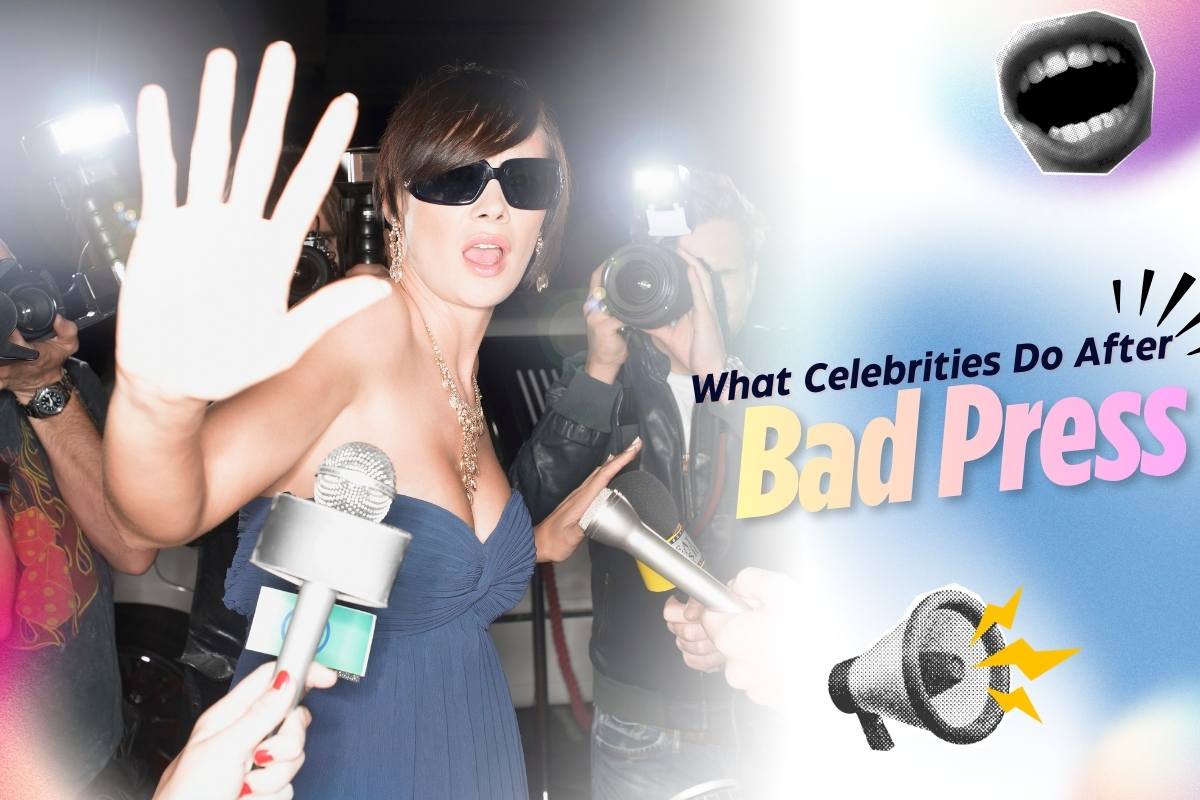
You know that moment when a story drops and you can almost feel the air leave the room?
A headline lands. A clip spreads. A screenshot does the rounds. And within minutes, the internet has decided who the villain is, who the victim is, and what the punishment should be. No judge. No jury. Just vibes and timelines.
Here’s the part most people miss. The celebrity at the centre usually isn’t sitting there calmly crafting a wise little statement while sipping oat milk.
They’re scrambling. Their phone’s buzzing like a trapped wasp. Their mum is calling. Their agent is calling. Brands are calling. Friends are texting in that awkward way that means, “I saw it. I don’t know what to say.”
And then the machine kicks in.
Not a flashy machine. A quiet one. The kind that runs on group chats, lawyers, and people who speak in short sentences because every extra word can become tomorrow’s quote.
If you’ve ever wondered why someone goes silent and then suddenly appears looking drained in a hoodie outside a nice supermarket, you’re not watching random behaviour. You’re watching crisis management. The first day matters because it sets the story’s shape. After that, you’re mostly arguing with momentum.
So, let’s talk about what celebrities do in the first 24 hours after bad press. This isnt gossip or fan fiction. Just the real patterns professionals talk about, and why they happen.
The First Two Hours: Shock, Silence, And A Hard Stop On Posting
The first hour is usually chaos with a shiny filter.
People assume celebrities have total control of their accounts. In a crisis, that can change fast. Management teams often pause scheduled posts and ads and sometimes shift access so nothing goes out on autopilot at the worst possible time. Because imagine a cheerful sponsored post appearing right after a serious allegation. That’s not “tone deaf”. That’s career damage.
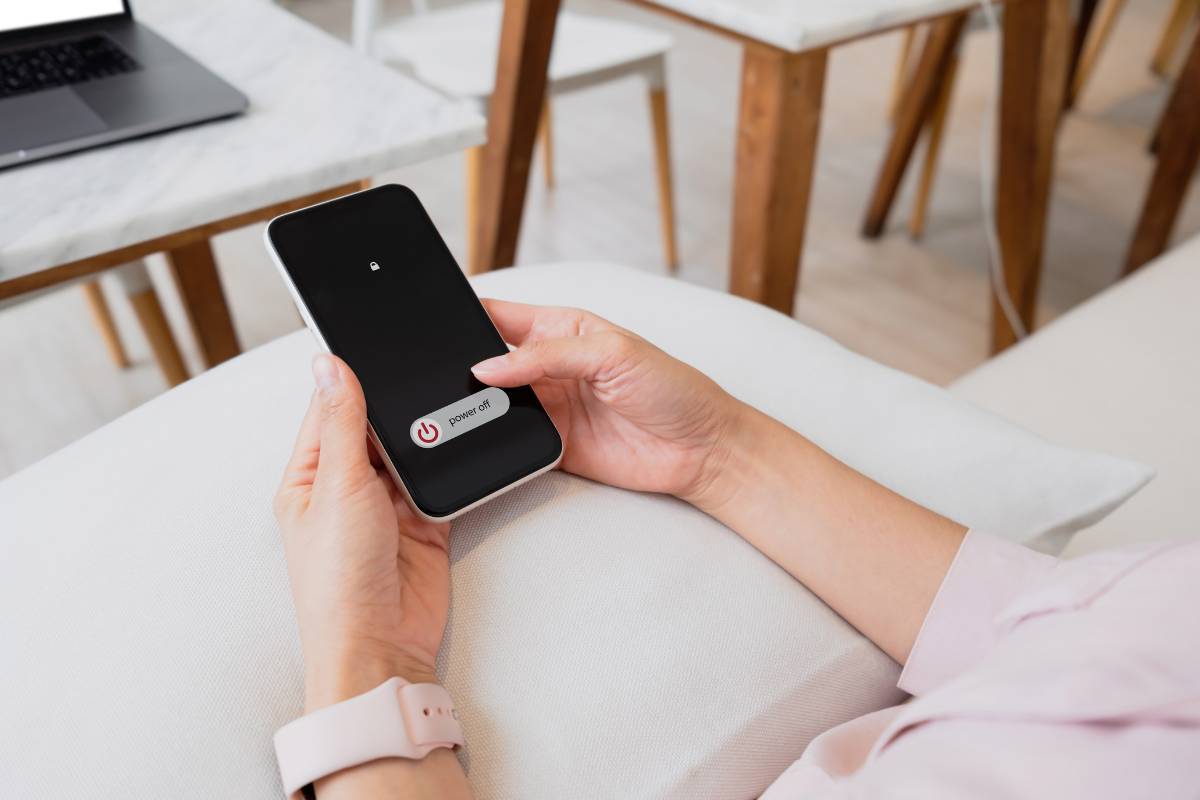
And yes, the phone becomes a problem. Not because the celebrity is naughty, but because humans spiral. A single angry reply, a late-night rant, or a “you don’t know the full story” post can turn one story into five.
So the early goal is simple: stop the bleeding. Don’t feed the headline and don’t give the internet fresh material to chew on.
It looks like they’ve vanished. In reality, they’ve gone into a kind of lockdown.
Also read: The Real Reason People Are Leaving Social Media In 2026 And What They’re Doing Instead
Hours Two To Six: The War Room And The Question Nobody Wants To Say Out Loud
Now comes the meeting. This isn’t some polished boardroom scene from a Netflix drama. It’s usually a frantic huddle in a windowless law office or a high-end hotel suite.
If you walked into that room, you’d smell it immediately. It’s a stale mix of cold espresso, half-eaten sushi, and that metallic scent of high-stress sweat. It’s the smell of people who haven’t opened a window in six hours because they’re too afraid of what’s outside.
You’d hear it too. The constant, rhythmic thrum-thrum of half a dozen iPhones vibrating on a glass table. It’s a sound that eventually starts to feel like a physical weight.
And the celebrity? They aren’t “commanding” anything. Usually, they’re slumped in a corner chair, staring intensely at a singular coffee stain on the carpet while their life burns down on a six-inch screen. They look smaller than they do on TV. Older, too.

This is where roles get very clear, very quickly.
The lawyer usually takes control if there’s any legal risk. In the UK, that can include defamation, privacy claims, or court action if a story crosses a line. Defamation law here isn’t just about hurt feelings. The “serious harm” requirement in the Defamation Act 2013 sets a legal bar for what counts. It’s one reason advisers get cautious about public statements that could create new claims or worsen existing ones.
At the same time, the publicist is thinking about public mood. This isn’t done in a cartoon villain manner. In a “what will land, what will inflame, what will look evasive” way.
And brands? Brands move fast when risk shows up. Many sponsorship deals include clauses that let a company pause, review, or exit if the celebrity becomes a reputational headache. People call them morality clauses, but the vibe is simpler: “Don’t drag us into your mess.”
So in these hours, the team does a cold assessment:
- What’s confirmed?
- What’s alleged.
- What evidence exists?
- What could leak next?
- What the celebrity must not say.
- What the celebrity absolutely must not do.
And, quietly, one more question: is this survivable?
Also read: The Real Story of Evangeline Lilly, Her Man, and Her Millions
Hours Six To Twelve: The Statement Problem And The Art Of Saying Less
This is the stage where everyone online starts screaming, “Why aren’t they speaking?”
Because speaking is risky.
A fast apology can backfire if it admits facts that later turn out to be wrong, or if lawyers need time to understand what’s actually happened. A fast denial can be worse if receipts exist. And a half-apology can annoy everyone at once. You’ve seen those. “I’m sorry if anyone was offended.” Nobody likes that sentence.
Who writes these statements, by the way? Often it’s a PR-led draft, shaped around legal advice and what the client is willing to stand behind. Even mainstream lifestyle coverage has pointed out that PR teams usually steer the writing, with legal input depending on the situation.

This is also when teams decide between three broad paths:
- They say nothing for now and let the story burn out.
- They issue a tight holding line, something like, “We’re aware of the reports and are taking advice.”
- Or they go public with a full response.
None of these options feels nice. They’re all trade-offs.
And there’s a human bit here that gets ignored. Stress hijacks decision-making. When people feel threatened, the brain can go into a fight or flight state, where emotion runs the show and logic struggles to keep up. That’s a real effect clinicians describe, sometimes called an “amygdala hijack”.
So the crisis team does something blunt but necessary: they slow the celebrity down. They stop them from reacting like an injured person on social media. Because that’s when careers get properly messy.
Hours Twelve To Twenty-Four: Controlled Visibility And The “Normal Person” Costume
By this stage, the internet wants visuals.
And visuals can be managed.
Not always, and not perfectly, but more than you’d think. Publicists don’t control every photographer. They do, however, understand how photos work on the public. A sad face can soften anger. A flashy outfit can trigger rage. A quiet dog walk can signal, “I’m still a human being.”
So you’ll sometimes see a “casual” sighting. Low-key clothes. Minimal jewellery. No glam squad vibes. A coffee cup. A bag from a supermarket people trust. It’s designed to make the celebrity look like someone who hasn’t slept. Because often they haven’t.

This is also where body language coaching comes in. Not acting lessons. More like, “Don’t smirk.” “Don’t roll your eyes.” “Don’t look like you’re enjoying the attention.” Small things, huge consequences.
And if the story involves family or children, a lot of teams steer hard away from putting kids anywhere near the frame. For one thing, it can look cynical. For another, there are privacy risks. UK courts have recognised privacy rights in different contexts, and advisers often treat family life as legally sensitive territory.
Also read: Don’t Get “Humbled” by the Arctic: 10 Lapland Travel Mistakes First-Time Visitors Make
The Invisible War: SEO Burials and the Art of the Diversion
While everyone is busy refreshing the celebrity’s Instagram page, the real work is happening in a dark office where a “Digital Cleaner” is typing away. This is the part of the 24-hour cycle that feels less like PR and more like an intelligence operation.
If you search for a scandal and suddenly find yourself seeing three new articles about the star’s “favourite skincare routine” or a “throwback to their best red carpet looks,” that isn’t a coincidence. It’s a flood.
PR teams pay for “Positive Content Floods.” They seed the internet with harmless, boring fluff. Why? Because the Google algorithm is a machine that can be distracted.
If they can get five “Top 10 Style” listicles to trend in 12 hours, they might just push that front-page scandal link down to the bottom of page one. Most people never click on page two. That’s where reputations go to die, and that’s exactly where the “Cleaner” wants the scandal to sit.

Then there’s the “Trade.” This is the truly cold part of the business.
Sometimes, a scandal is just too big to bury with SEO. In those cases, the agency might look at their other clients. They find someone who is “clean” and they offer up a sacrifice. They might call a tabloid editor and offer a world-exclusive pregnancy announcement or a high-profile breakup from a different star.
It’s a literal exchange. “I’ll give you the wedding photos of Star B if you pull the front-page story on Star A’s scandal.”
It sounds like a movie script, but it happens in the UK more than anywhere else. The tabloid economy runs on these trades. It’s a game of chess where one client is the queen and the others are pawns used to protect her.
By the 24-hour mark, if you see a massive, unrelated celebrity story suddenly dominate the news, there’s a good chance it was bought and paid for to save someone else’s skin.
Also read: The Renters’ Rights Act is Law—But When Does It Actually Change Your Life?
The Digital Side: How They Try To Stop The Algorithm From Eating Them Alive
This bit is newer, and it’s why modern scandals feel like wildfires.
Teams now watch trends in real time. They track what’s spreading, what platforms are fuelling it, and which clips are doing the most damage. Some use social listening tools, which basically means software that scans mentions and sentiment at scale. It’s less “spy tech” and more “panic dashboard”.
Then come the tactical choices:
- Do they lock comments or leave them open?
- Do they pause posting entirely or keep posting neutral content so the account doesn’t look like it’s hiding?
- Do they avoid the topic or address it once in a controlled way so people stop guessing?
And there’s a sneaky truth here. Silence can starve a story. It also can look guilty. So teams time it. They wait until they can speak without adding fuel, then they pick a moment when attention is drifting. Not always, but often.
It’s not magical. Plenty of reputations still take a hit. But the goal is to stop the scandal from becoming the only search result forever.
So Who Actually Runs The Show?
If you’re picturing the celebrity as the boss in the middle of it all, that’s not always how it feels on the day.
In the roughest situations, the lawyer has the strongest voice, especially when criminal exposure or defamation risk exists. The publicist shapes tone and timing. The agent deals with career fallout. The brand manager talks to sponsors. The manager keeps the celebrity upright and functioning.
And the celebrity? Often they’re just trying to get through the hour without worsening it.
That’s the weird contradiction of fame. People think it brings power. In a scandal, it can feel like power gets handed to everyone else.
Also read: Market Shift: Decoding the Tesla UK Sales Slump
What Celebrities Do In The First 24 Hours After Bad Press: The Part You Don’t See
Here’s what makes this whole thing feel grim.
A lot of the work isn’t about truth. It’s about control.
- Control of legal risk.
- Control of messaging.
- Control of optics.
- Control of contracts.
- Control of the next headline.
Sometimes the celebrity deserves the backlash. There are times when the story is muddy, half-proven, and ahead of facts. In either case, the machine does the same thing. It’s fast, it hates surprises and treats every word as if it were a dollar bill. Because it often does.
So the next time a celebrity scandal breaks and you see the familiar pattern—silence, statement, “casual” photos, and an exquisitely chosen comeback interview—remember this: you’re not just watching a person respond. You’re watching a system react.
And it’s built for one job. Keep the career alive.
Would you cope better than they do with millions of people shouting at you before breakfast? Be honest.
Sources And References
- UK Parliament, Defamation Act 2013 (serious harm requirement), published 2013.
- Pinsent Masons, overview of privacy and misuse of private information in the UK, accessed January 2026.
- Stylist, discussion of celebrity apologies and the role of PR in writing them, published 2020.
- Cleveland Clinic, explanation of the amygdala and “amygdala hijack”, published 2023.
- Healthline, overview of “amygdala hijack” and stress response, updated 2023.
- PR Week, Digital reputation management is not just for a crisis