Let’s talk about something that’s keeping half the workforce up at night.
All job postings now require AI skills. That mate who barely passed uni and now earns more than you because they can “talk to ChatGPT properly.” It’s enough to make anyone feel as if they are falling behind.
Here’s what’s really happening. Companies aren’t seeking the same AI skills they were a year ago. AI skills are now required in about 9 per cent of job postings, compared with just 5 per cent a year ago. But most companies are not on the prowl for PhDs who can construct neural networks. They are going after people who will actually be employable by AI.
Prompt Engineering: The Skill Nobody Saw Coming
Workers who have mastered prompt engineering are earning about 56 per cent more. That’s not a typo. Two times as much for knowing how to ask AI questions in the right way.
Anybody can type “write me a blog post” into ChatGPT. But writing a prompt that gets you exactly what you need and that also, on the first try, in your desired tone? That’s worth its weight in gold.
You don’t have to be a tech person. Simply to be able to think clearly and express oneself accurately. Recruiters are seeking “AI explainers” who can bridge the gap between tech experts and the rest of us.
The best bit? You can learn this for free. Just spend a few hours per week practising with various AI tools, and you’re set.
Also read: Who is Oona Chaplin, the Warrior Queen Who Changed Avatar Forever.
AI Literacy: Understanding Without the Faff
The vast majority of us use AI as if it were Google. Type something, hope for the best, and get frustrated.
AI literacy isn’t about knowing algorithms or how to code. What it boils down to is having a sense of when it can help, when it’s going to make things worse, and being able to spot when it’s talking nonsense.

By 2025, about 40 per cent of workers were using AI. The AI capabilities that will matter most in 2026 won’t be about building the technology; they’re about using it properly.
Can you tell when an AI’s output is biased? Do you understand why it sometimes makes stuff up? Can you explain to your boss why the new AI tool isn’t saving time? These questions sound simple. They’re not. Employers are willing to pay for people who can answer them.
Data Analysis: Because Rubbish In Means Rubbish Out
So AI runs on data. But bad data makes bad A.I.
Companies are, at long last, catching on to this. Their costly AI projects fail because no one thought it was worth cleaning up the data first. Now they’re racing to hire analytics engineers who speak both the technical and business languages.

These people are making between £90,000 and £140,000. The people who can actually interpret what the numbers are saying to non-technical people are being promoted over data scientists with fancier degrees.
You don’t need to be a maths genius. What you need is the ability to spot patterns, understand what data is telling you, and explain it clearly. Python helps, but plenty of analytics engineers come from non-technical backgrounds.
Also read: What Really Happens Behind Cloud Storage?
MLOps: Making AI Actually Work
Machine learning operations engineers make sure AI systems don’t break when they’re used. Building an AI model is easy. Getting it to run reliably in the real world? That’s the hard bit.
These roles are paying between £100,000 and £150,000. Senior ones? North of £180,000. Most MLOps engineers didn’t start in AI. They came from DevOps or data science and learned the other side.

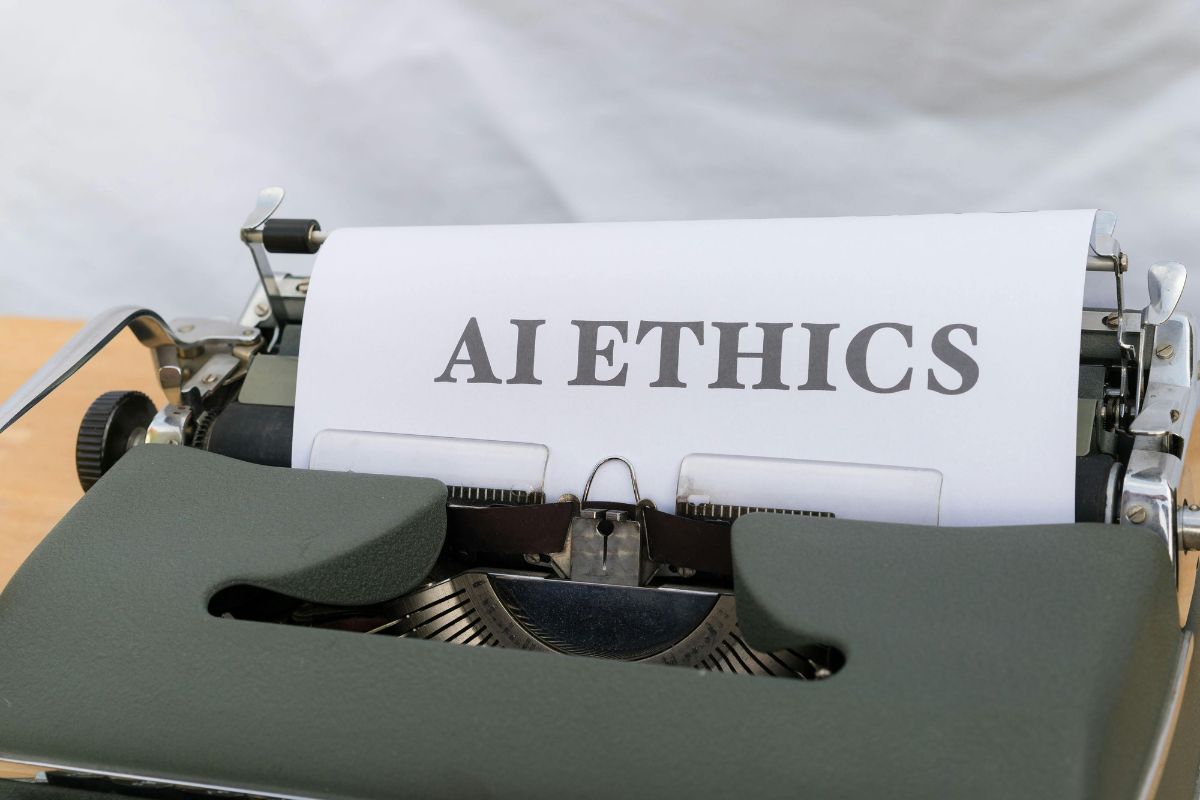
AI Ethics: The Essential Nobody’s Talking About
With more companies relying on AI to make important decisions, they need people who can make sure it’s not up to something dodgy. The wrong hires, unfairly refusing loans or basing decisions on prejudice.
The AI auditors and the ethics experts are becoming as essential to businesses as lawyers and accountants. They’re vetting AI systems for bias and ensuring they are transparent, and keeping companies out of hot water legally.
You don’t need to be from a tech background to do this. Many of the professionals working on A.I. ethics hail from law, philosophy or social sciences. If you can be a critical thinker and talk about complex ideas, you’ve got half of it.
What Actually Matters More Than Technical Skills
The AI skills that will be most valuable in 2026 aren’t just technical. They’re also deeply human.
- Critical thinking. Can you spot when AI is confidently wrong? Because it does that constantly.
- Communication. If you can’t explain what you’re doing with AI to someone non-technical, you’re limiting your career. The people making bank aren’t necessarily the ones who know TensorFlow best. They’re the ones who can translate between tech and business.
- Adaptability. This field changes every few months. You need to be comfortable learning constantly and admitting when you don’t know something.
- And a bit of scepticism helps. Not every problem needs an AI solution. Being able to say “actually, we don’t need AI for this” is surprisingly valuable.
Also read: Inside Aryna Sabalenka’s Love Story With Georgios Frangulis After Personal Loss.
Where to Start Without Losing Your Mind
The whole thing can feel overwhelming. Artificial intelligence skills required for success seem to change every other week.
But here’s the truth. You don’t need to learn everything. Pick one area that interests you and go deep. Maybe it’s prompt engineering. Maybe it’s data analysis. Maybe it’s AI ethics.
Spend a few hours each week practising. Use free tools. Make mistakes. Most importantly, actually use AI in your daily work. That’s where you learn what matters.
The job market’s gagging for people with practical AI skills. Not theoretical knowledge. Real expertise. Start small. Experiment. Before you know it, you’ll be the person everyone asks for help.