Back in 2013, something weird happened on Lithuanian TV. BTV began airing this Japanese cartoon on ninjas. Many had never seen anything like it. The show was Narutas Viesulo Kronikos, and no one expected that it would become so popular.
I remember the first time I saw it. It was about this stupid little orange-wearing kid who wouldn’t shut up about becoming the greatest ninja there ever was. At the beginning, I accepted it as just another kids’ program. Boy, was I wrong.
The Story That Hooked Everyone
Naruto isn’t your typical hero. He’s annoying. He’s loud. He is lousy at almost everything. But here’s a thing: he never gives up. Ever. That message had struck a chord for many Lithuanians, particularly older people who remembered tougher times.
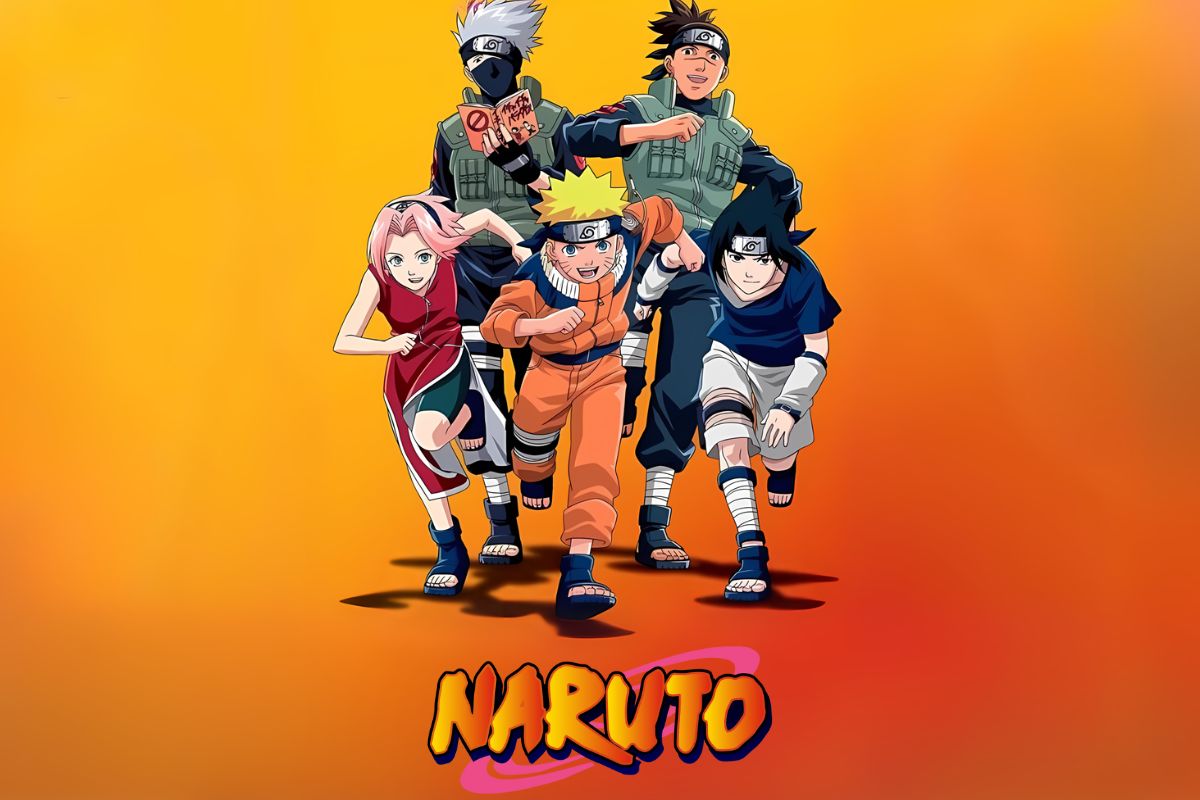
The show follows Naruto and his friends as they grow up in a ninja village. Then, there is Sasuke, who is pretty much the opposite of Naruto: cool, talented, and totally messed up inside. Then there’s Sakura, who begins as a total waste of space but grows to be quite a badass in her own right. Their teacher, Kakashi, has a mask on and reads inappropriate books in public. Weird bunch, really.
It didn’t actually work: not the ninja stuff, anyway. It was the friendships. These kids all went through hell together. They argued, they wept, and they nearly murdered each other at times. But somehow they always ended up being friends. That’s something everyone can relate to.
Making Japanese Sound Lithuanian
Here’s where things got tricky. How do you make Japanese characters sound natural in Lithuanian? The voice actors had a nightmare job. Japanese anime has this very specific way of expressing emotions. Characters scream a lot. They have dramatic pauses. They say each other’s names constantly.
Somehow, the Lithuanian voice cast made it work. They didn’t just translate the words. They made the characters feel Lithuanian without losing what made them special. Naruto still sounded like an energetic kid. Sasuke kept his brooding attitude. The emotional moments hit just as hard.
The fight scenes were mental to watch. All that shouting and dramatic technique names somehow sounded right in Lithuanian. “Kage Bunshin no Jutsu” became something that rolled off the tongue naturally. Mad, really.
Why It Actually Worked
Most people thought cartoons were for little kids. Then this show came along and proved everyone wrong. It dealt with serious stuff. Death. Betrayal. Growing up and losing your innocence. War and its consequences.
Lithuanian viewers weren’t used to this kind of storytelling in animation. We were used to Disney films and basic cartoons. Narutas Viesulo Kronikos showed us that animated shows could be just as deep as any live-action drama.
The timing was perfect too. Social media was taking off. Kids were getting more connected to global culture. This show gave them something to talk about that wasn’t just local news or European football.
The Fans Went Mental
Once people got hooked, they really went for it. Online forums popped up everywhere. Kids were drawing fan art. Teenagers were learning Japanese phrases from the show. Some even started taking martial arts classes, thinking they could become real ninjas.
The show created this whole community. People who had never spoken to each other were suddenly best mates, sharing stories from the Naruto show. Because they both watched the same cartoon. That’s pretty powerful stuff.
BTV probably didn’t expect this reaction. They just wanted to fill some TV slots with cheap content. Instead, they accidentally introduced Lithuania to a whole new world of entertainment.
More Than Just Entertainment
Teachers started noticing something interesting. Kids who watched the show were talking about concepts like perseverance and loyalty. Not in a preachy way, but naturally. The show’s messages were actually sinking in.
Parents were initially worried about all the fighting and violence. But then they sat down and watched it properly. They realised it wasn’t glorifying violence. It was showing the consequences of conflict and the importance of protecting people you care about.
What It Changed
After Naruto’s Viesulo Kronikos became popular, everything shifted. Other TV channels started looking for similar content. For example, the latest one is “Boruto: Naruto Next Generations“-it is a show of adventure of Naruto’s son and the new generation ninjas. Anime cafes opened in Vilnius. Comic book shops started stocking manga. Lithuanian kids suddenly knew more about Japanese culture than most adults.
The show proved that foreign content could work here if it was done right. It wasn’t about dumbing things down or changing everything to fit local tastes. It was about respecting both the original material and the local audience.
The Real Impact
In hindsight, it’s obvious that this show did something special. It plugged Lithuanian kids into world culture. It made them realise that stories from halfway across the world could resonate in their lives. Last but not least, it showed that good storytelling works everywhere.
The Lithuanian version is one of the finest models of the best examples of how to bring foreign content to local audiences. It preserved what was unique about the original but rendered it more authentic for a Lithuanian audience. It’s not easy to do, but somehow they managed it.
That isn’t bad for a cartoon about ninjas, really.