Right, so there I was, seven years old, watching Eurovision 1986 with my mum. She’s dunking her digestive in her tea when this absolute nutter comes on stage. Buck’s Fizz? No. This was something else entirely. The bloke’s wearing what looked like my sister’s metallic leggings and a shirt that could’ve been nicked from a Christmas decoration factory. Mum nearly choked. “What on earth is he wearing?” she spluttered.
That’s when I knew Eurovision wasn’t just about songs. It was about proper mental fashion choices of iconic Eurovision outfits that would make your gran clutch her pearls.
The Night ABBA Made Sparkles Cool
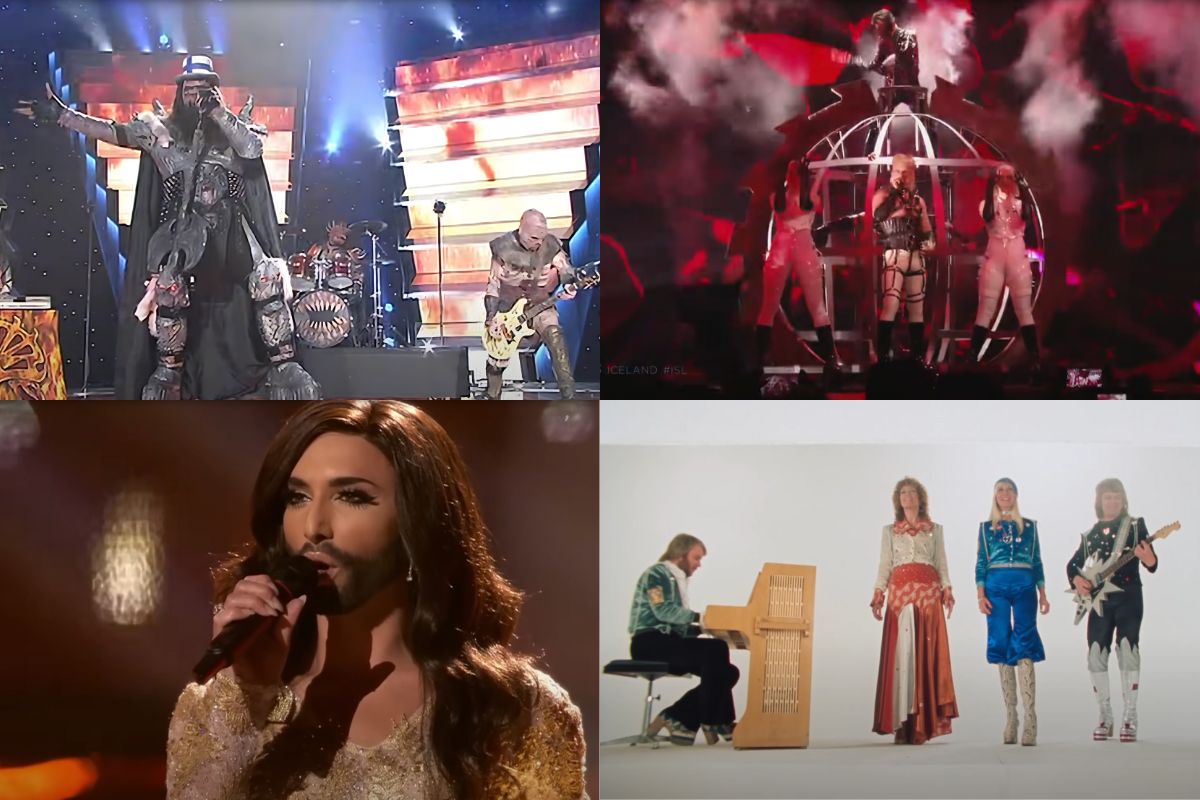
Iconic Eurovision outfits didn’t start with Lady Gaga, mate. They started in Brighton, 1974. Four Swedes who seemed to have been sent directly from a fancy dress shop had opted for matching blue and white outfits shinier than my father’s head in the summer.
ABBA’s performance of ‘Waterloo’ in Eurovision is still spoken about to this day, not for the infectious song but for the mad metallic outfits they donned on stage. It has become one of the most iconic moments in Eurovision history.
Björn looked like he was off to a space-themed disco. Benny? Same energy, different moustache. The girls? Proper disco queens before disco was even a thing. My older cousin reckons they looked “a bit daft,” but guess what? They won. Sometimes looking daft is exactly what you need.
These outfits weren’t just clothes. They were statements. Big, bold, “we don’t care if you think we look bonkers” statements.
Finland’s Monster Mash-Up That Actually Worked
Fast forward to 2006. I’m at uni, watching Eurovision in the common room with about twenty other students. Finland comes on. Everyone is laughing heartily at these metalheads, dressed as if they’ve just emerged from a horror film.
Lordi stomps onto the stage. Horns everywhere. Fake blood. Leather that would make a biker jealous. The whole lot looked like something from my little brother’s nightmare.
But then something mad happened. The song was actually decent. The performance was mental in the best way. And suddenly, everyone in that common room was headbanging to “Hard Rock Hallelujah.”
They won the bloody thing. Finland. With monsters. In Eurovision.
The Bearded Beauty Who Changed Everything
And then there is Conchita Wurst in 2014. I mean, come on; when she swirled onto that stage in Copenhagen, you could almost hear the jaws hitting the floor across Europe.
In 2014, Austrian drag queen Conchita Wurst was crowned the winner in a sleek, shimmering gold brocade form-fitting floor-length bodycon dress, complete with a perfectly styled red-carpet beard and long, glossy hair.
When Fashion Meets Politics (And It Gets Messy)
Dana International’s Dress That Changed Everything
1998 was different. Dana International walked onto that stage in a simple black dress. Nothing fancy. No sequins going mental. Just elegant, classy, beautiful.
But it wasn’t just a dress, was it? It was history being made. In a competition that’s usually about camp and silly outfits, here was someone making a proper statement about acceptance and being yourself.
My mate Dave, who usually only watches Eurovision to take the mickey, went dead quiet during that performance. “Fair play to her,” he said afterwards. Sometimes the simplest outfit carries the biggest message.
Iceland’s Leather Brigade
2019 Hatari. If you know, you know. If you don’t, imagine the most intense goth club you’ve ever seen, multiply it by ten, then stick it on Eurovision.
Leather everywhere. Chains. Makeup that would make Alice Cooper jealous. They looked like they’d rather be anywhere else but were going to give the performance of their lives anyway.
My teenage nephew was absolutely obsessed. Started wearing eyeliner to school. His mum wasn’t best pleased, but I thought it was brilliant. Eurovision giving kids permission to be different? That’s what it’s all about.
The Absolute Disasters We Still Love
When Things Go Spectacularly Wrong
Not every outfit works. Some are car crashes you can’t stop watching. Remember those inflatable costumes that looked like someone had gone mad with a bicycle pump? Or that time someone wore what looked like curtains from my nan’s front room?
But here’s the thing: even the disasters are brilliant. They’re part of Eurovision’s charm. At least they tried something different instead of playing it safe in a boring black suit.
Why Eurovision Fashion Actually Matters
Iconic Eurovision outfits aren’t just about looking mental on telly for three minutes. They’ve changed how we think about performance fashion. Designers nick ideas from Eurovision constantly. That camp, over-the-top aesthetic? It’s everywhere now.
My sister works in fashion PR. She reckons Eurovision has influenced more red carpet looks than most people realise. “It taught celebrities that being extra isn’t embarrassing,” she says. “It’s memorable.”
The Future Of Eurovision Madness
Every year brings new surprises. Traditional folk costumes get twisted into something modern. Futuristic designs that look like they’re from 2050. Artists who clearly raided their local fancy dress shop and somehow made it work.
That’s what makes Eurovision special. There’s no rulebook. No fashion police. Just artists being creative, mental, brilliant, or sometimes all three at once.
Eurovision fashion works because it’s real. These aren’t carefully planned looks designed by committees. They’re expressions of who the artists are, where they’re from, and what they want to say.
And honestly? Long may it continue being absolutely mental.