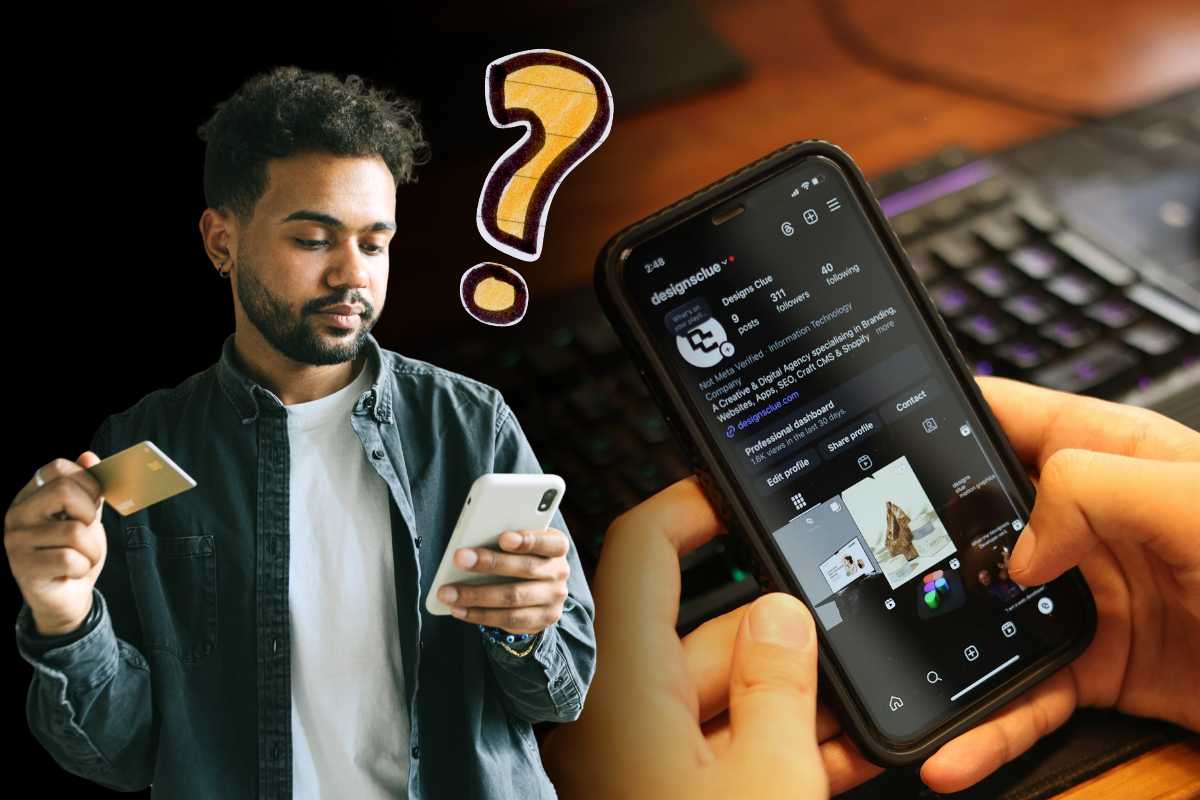
You’re scrolling through TikTok at midnight. Someone’s showing off a gadget that “changed their life.” Three clicks later, you’ve bought it. How social media increases impulse buying isn’t just some academic theory. It’s happening to you right now, and the numbers prove it.
About 48% of social media users have impulsively bought something they first saw on their feed. That’s nearly half. And if you’re on TikTok, you’re even more likely to crack. 55% of TikTok users admit to making impulse buys on the app. Instagram’s at 46%. Facebook is at 45%.
The average person spends roughly $754 yearly on social media impulse purchases. Some spend way more. About 26% of impulse shoppers on social media drop over $500 in a year. And we’re not talking about planned purchases here. These are the “ooh, I need that” moments that happen whilst you’re supposed to be doing something else.
Reasons for Impulse Buying
A 2024 study by the University of Jyväskylä in Finland examined 2,318 young adults ages 18 to 29. The results of that study were very surprising, to say the least. Self-control of social media and targeted advertising increases impulse buying, says a study, and the connection isn’t subtle.
People with low self-control don’t just buy more impulsively. They also view targeted ads and social media recommendations as genuinely helpful for making purchase decisions. That’s the scary bit. The very people most vulnerable to impulse buying think the system’s on their side.
“Data are collected on consumers’ online activities and use of digital devices, and on this basis, advertisements are then targeted to them,” explained researcher Jussi Nyrhinen. The ads feel meaningful because they’re based on your browsing history. They know what you’ve looked at. What you’ve lingered on. What made you pause?

The Power of Social Media Influencers
The power of social media influencers: unveiling the impact on consumers’ impulse buying behaviour has been massive. A 2024 study published in Nature found that influencer credibility directly impacts trust, which then triggers the urge to buy impulsively.
Here’s how it works. You follow someone you trust. They post about a product. You feel good about that product because it has an endorsement from someone you respect. Before you realise it, you’re buying something you did not need five minutes ago.
The people especially susceptible, the study found, are those with low persuasion knowledge. They don’t realise they are being marketed to. They assume their favourite influencer is just recommending something cool and isn’t profiting from that recommendation.
Product affection is a part of it as well. If you trust the influencer, you start to feel a personal connection to that product. It’s no longer just a thing. It is attached to someone you like and admire.
Impact of Live Streaming on Social Media on Impulse Buying
Impact of live streaming on social media on impulse buying has exploded in 2025. Platforms, including TikTok, YouTube, and Little Red Book, have evolved to embrace “accumulative social live shopping” formats, which centre on a community aspect in livestream shopping experiences.
A 2025 study in the Journal of Theoretical and Applied Electronic Commerce Research confirmed that full information provision, together with high interactivity in live streaming, could improve consumer social identity. This feeling of being in the right place helps quell shopping hesitance and spur impulse purchases.
Live streaming creates urgency. Limited quantities. Flash deals. Everyone else is buying. You don’t want to miss out. The broadcaster is forming a para-social relationship with you, pretending that you’re mates. And mates recommend good stuff, don’t they?
Wrong. They’re selling. But the way it’s packaged makes it not feel like selling.

The Numbers Don’t Lie
There are approximately 5.42 billion users of social media worldwide by 2025. That’s a huge audience to which brands can market. And they are only becoming more skilled at it.
For example, a study done in 2025 has found that SM advertising persuasively impacts impulsive purchasing behaviour through informativeness, entertainment, reliability and economic contribution. The ads tell you about products. They entertain you while they’re at it. They appear trustworthy because they are tailored to your interests. And they convince you it’s economically smart to buy now.
One study that analysed the effect of social media on impulse buying has reported a positive relationship between exposure to social media and impulse buying. Demographic factors such as age, income and gender moderate this relationship, but the link is there for everyone.
Consumers, on average, make around six impulse purchases a month. The average impulse buy purchases in 2024 amounted to approximately $282 per month, or a total of around $3,381 a year. That’s down from a 2022 peak of $314 per month, but it is still a lot of money going toward things people didn’t really plan to buy.
Why Social Media’s So Effective
How social media increases impulse buying comes down to a few key factors. First, it’s always there. You’re scrolling anyway. The barrier to purchase is tiny. See it, want it, buy it. All without leaving the app.
Second, social proof. Everyone’s buying it. Look at all these positive comments. Your friend liked this post. The algorithm’s showing you this for a reason, surely?

Third, it doesn’t feel like shopping. You’re just browsing. Having a look. Then suddenly you’ve spent £50 on something you’d never heard of ten minutes ago.
Fourth, targeted ads work. They really do. Companies know what you’ve searched for. What you’ve bought before. What your demographics suggest you might want. The ads feel personal because they are personal.
What You Can Actually Do
Self-control’s hard to change. It’s a trait that is moderately stable. But there are ways to minimise the effect of social media and targeted advertising on your purchasing behaviour.
Disable ad personalisation in your social media profiles. Yes, you’ll still get ads, but the ads won’t be quite as well-targeted and therefore less attractive.
Cap how much you can spend on your accounts. If you can’t make purchases above a certain level without leaping through extra hoops, you’ll have time to think before acting.
Delete shopping apps on your phone. Make buying require actual effort.
Recognise when you’re being marketed to. That influencer isn’t your mate. They’re being paid. That livestream isn’t a fun hangout. It’s a sales event.
Budget for impulse purchases if you’re going to make them anyway. Put aside money specifically for this so you’re not derailing your actual financial goals.
But honestly? The easiest solution is just spending less time on social media. Can’t buy what you don’t see. And you might find you don’t actually miss all that stuff you nearly bought.
Disclaimer: This article is provided for general informational purposes only and should not be considered financial, consumer, or professional advice. Individual spending habits and purchasing decisions vary, and we are not responsible for any actions taken based on this content. Readers should make informed financial decisions based on their own circumstances.s.